

Anthropic and OpenAI I.P.O. prep sparks nonprofit bids for “secondary giving” cuts
Ultrawealthy founders may mint new money soon, and nonprofits are positioning to capture some of the upside.
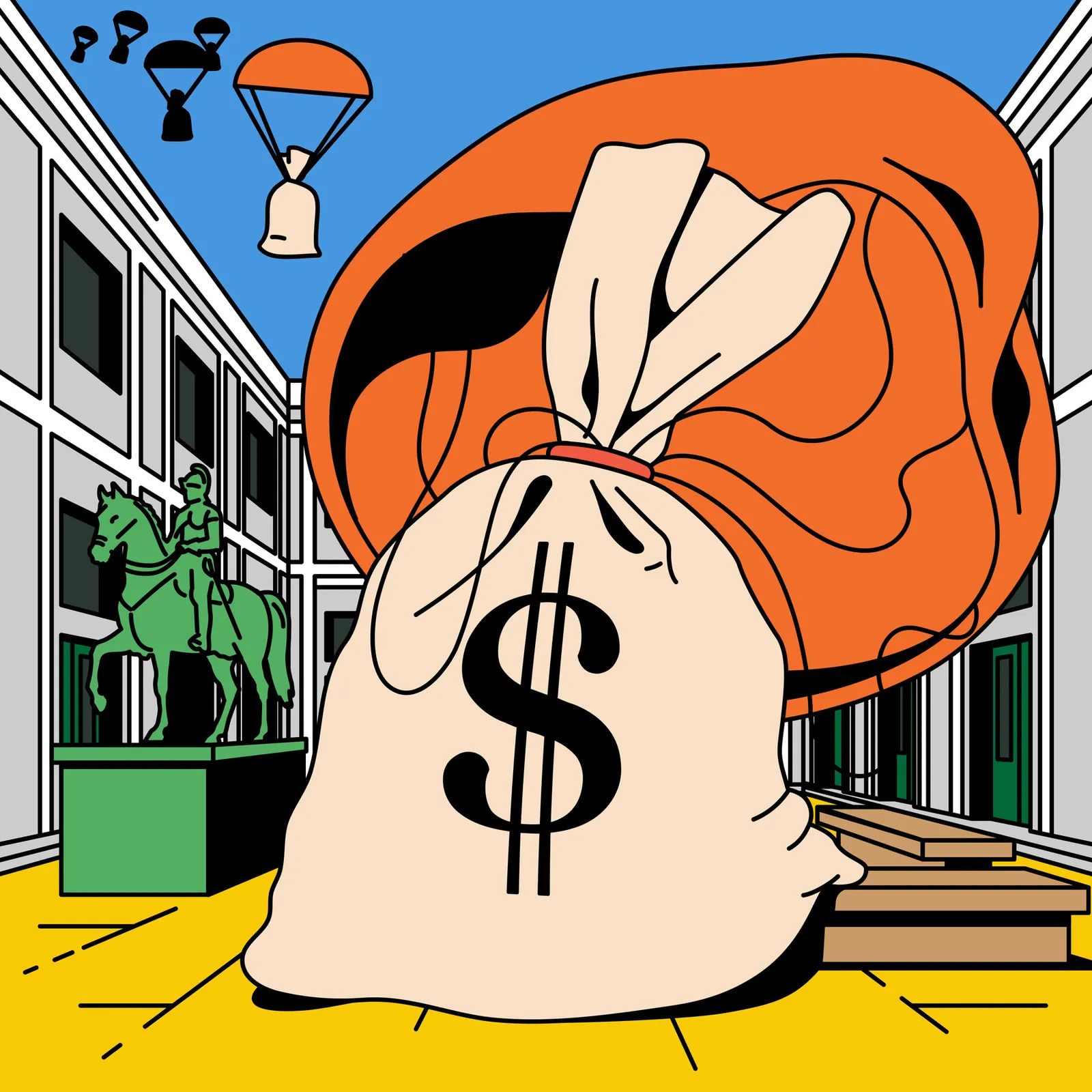
As start-ups like Anthropic and OpenAI prepare to go public, nonprofits are hoping for a secondary giving windfall from new tech ultrawealthy. For decision-makers, the question is less about the I.P.O. itself and more about who gets the follow-on dollars and why that changes incentives.
As start-ups like Anthropic and OpenAI prepare to go public, nonprofits are hoping for a secondary giving windfall from the new tech ultrawealthy. In plain terms: when billion-dollar wealth creation hits, the first big wave is not just investing or spending. It is also philanthropy. And nonprofits are trying to make sure they are ready when that wealth crystallizes.
The near-term timing matters. The story is built around companies that are “prepare[d] to go public,” including Anthropic and OpenAI, which are widely associated with the kind of post-I.P.O. capital and public-market attention that can generate new millionaires. Nonprofits are not simply waiting for goodwill. They are seeking a “secondary giving windfall,” meaning giving that happens after a liquidity event, when new wealth can be converted into charitable commitments.
This is a familiar pattern in tech, but it is intensifying as the definition of “ultrawealthy” shifts. When founders, early employees, and investors suddenly hold assets that can be sold, they can re-balance their lives and their portfolios quickly. That is when philanthropy often moves from an intent to an action. For nonprofits, the pitch is straightforward but time-sensitive: the money is not only in the initial checks. It is in the giving that follows once liquidity is real.
There is also a governance angle behind the scenes. Public market transitions come with heightened scrutiny. Boards and advisors tend to focus on disclosure, risk, and reputation management. When companies approach an I.P.O., the ecosystem around them becomes more visible. That visibility can extend to the philanthropic behavior of leaders tied to the company. Even when gifts are personal, observers assume they reflect a broader culture around the business. Nonprofits understand that attention and, as the article suggests, are positioning early so they are in the conversation before wealth becomes public.
Regulatory framing plays a role too, even when the specifics vary by jurisdiction. In the United States, charitable giving intersects with tax considerations and reporting requirements. Liquidity events like an I.P.O. can change the timing and structure of gifts because donors can plan around capital gains, valuation events, and the ability to fund donations from liquid proceeds. That is why the phrase “secondary giving” is meaningful. The first-order event is going public. The second-order event is what donors do once the shares convert to usable wealth.
For decision-makers inside nonprofits, this creates both opportunity and pressure. Opportunity, because a new set of tech millionaires can emerge quickly when large start-ups move into the public markets. Pressure, because the window between “preparing to go public” and the actual liquidity event can be short. Nonprofits that move too late may miss the donor attention cycle, while those that overreach can end up competing with other causes for limited bandwidth from donors whose priorities are not fully decided.
For executives and investors at companies like Anthropic and OpenAI, the stakes are subtler but real. The philanthropy ecosystem can influence reputations, relationships, and even the way the broader community perceives tech wealth creation. If nonprofits are actively seeking a cut of the new ultrawealth, that signals that giving will not be treated as a side quest. It will be part of the public narrative around who wins when an I.P.O. lands.
More broadly, peers watching these moves should recognize what is changing. The tech I.P.O. era is producing outsized wealth, and nonprofits are adapting their fundraising strategy to that reality. Instead of only courting long-term major donors, they are planning for an influx tied to specific corporate moments. For boards, founders, and finance leaders, that means philanthropic outcomes will increasingly be shaped not just by personal values, but by the timing and liquidity mechanics of public-market transitions.
This story's Key Insights and Take-aways are locked.
Create a free account to unlock Executive Actions for one credit.
Register to UnlockAlways free for Executives Club members. Join the Club
More in Business

Anthropic’s Levant Alpöge cracks the Jacobian conjecture after 87 years
A Harvard valedictorian used Claude to hit a 1939 breakthrough, but the missing “why” is the real problem.

Uber buys Delivery Hero for nearly $15B, vaulting to top food delivery outside China
The deal doubles Uber's dual-services footprint and pushes a ride-and-eats bundling play into 50 more markets.

Epic and Google drop settlement bid, forcing rival Android app stores by July 22
Google told the court it is ready to carry third-party app stores starting Wednesday, July 22.