

Anthropic and Trump deny equity-stake talks after OpenAI floated 5% to Washington
Reuters reports both sides denied discussing a government equity stake, shaking up how AI policy could hit corporate control.
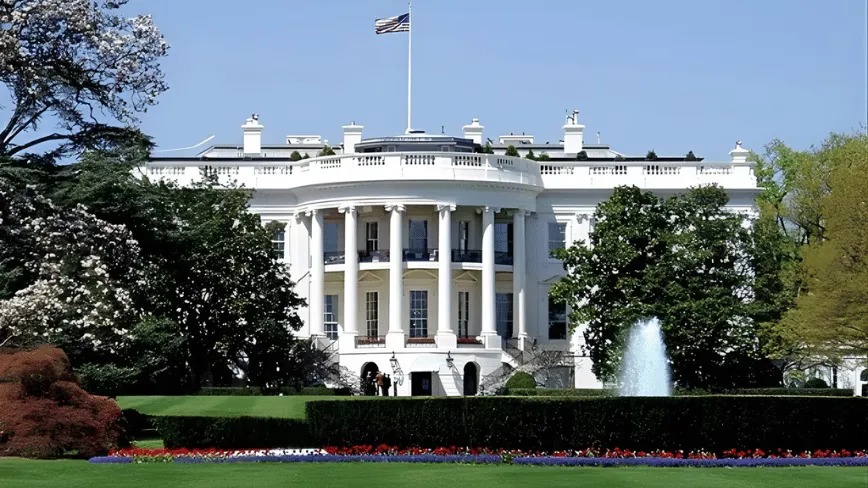
Anthropic and the Trump administration denied discussing the government taking an equity stake in Anthropic, according to a source familiar with the matter speaking to Reuters. The denial comes right after a Financial Times report said OpenAI proposed handing Washington a 5% stake in itself.
Here is the part that matters: Reuters reports that the Trump administration and Anthropic have not discussed the government taking an equity stake in Anthropic. A source familiar with the matter told Reuters on Thursday that both sides denied the idea.
This denial lands immediately after a Financial Times report earlier the same day said OpenAI had proposed handing Washington a 5% stake in itself. The arrangement was described as something that could potentially shape how the US government interacts with AI developers through ownership, not just regulation.
If you are an executive, board member, or investor, the reason this is such a big deal is simple. Equity stakes change incentives. Regulation can be enforced. Ownership can be negotiated. When Washington is only a rule-maker, the relationship is typically about compliance, licensing, and oversight. When Washington is also a shareholder, the relationship can quietly turn into board-level influence, strategy bargaining, and the kind of inside information dynamics that rarely stay inside the fine print.
That is why even a denial can move the market and the conversation. Reuters describes Anthropic and the Trump administration rejecting discussions of a government equity stake. In other words, the market signal is not just what was offered, but who is willing to entertain the concept. After the Financial Times report about OpenAI and the proposed 5% stake, other leading AI labs suddenly have a new question to answer: if the government can own a slice of your competitor, what does it mean for your own negotiating position, your risk profile, and your long-term strategic options?
The AI policy backdrop helps explain why this idea keeps resurfacing. In the current AI era, the government does not have to choose between “hands off” and “hands on.” It can mix policy tools, procurement, export controls, and compliance regimes. But ownership stakes are different. They can be framed as partnership or as leverage, depending on the political moment and the company-specific circumstances. That makes equity proposals politically potent even when they remain hypothetical or disputed.
For boards, the governance angle is particularly thorny. Ownership stakes can raise questions about fiduciary duties, information access, and how decisions are justified to shareholders. Even if a government equity stake is intended to support accountability, it can also complicate capital allocation. Investors typically price in control risk. If regulators become stakeholders, the cost of raising new money or partnering with certain parties can shift, because the market has to think through how state involvement might affect exits, M&A timelines, or strategic priorities.
Then there is the competitive signaling. The Financial Times report said OpenAI proposed the 5% stake to Washington. Reuters reports that Anthropic and the Trump administration deny discussing a similar government equity stake for Anthropic. That contrast matters because it suggests there is no single, standardized template for how major AI labs engage the government. Some actors may explore ownership-like structures as part of a broader relationship strategy, while others may reject the premise or claim they never even discussed it. Either way, the public narrative becomes part of corporate positioning.
The market also reads silence as something. When a story is about denial, it is rarely a neutral update. Denials acknowledge that the claim has reached enough attention to warrant rebuttal. That tells executives to treat this topic as live, even if the specific meeting or negotiation being rumored did not happen between Anthropic and the Trump administration.
For executives across AI and adjacent sectors, the second-order implication is about how quickly policy and corporate strategy are converging. The Financial Times report about OpenAI and a 5% stake, followed by Reuters coverage of Anthropic and a denial, shows how quickly equity-like policy proposals can leap from discussion into headlines. Even if government equity stakes do not materialize at your company, the possibility forces you to prepare for board-level scrutiny of government engagement models: Are talks framed as oversight, procurement, partnership, or ownership? How do you protect governance integrity? How do you communicate with investors?
In short, the stakes for decision-makers are not merely “did this specific negotiation happen.” The stakes are whether the next chapter of AI oversight will be built only through rules, or whether it will start to include ownership structures that pull policymakers deeper into corporate decision-making. When the government can become a stakeholder, the definition of leverage changes for everyone in the room.
This story's Key Insights and Take-aways are locked.
Create a free account to unlock Executive Actions for one credit.
Register to UnlockAlways free for Executives Club members. Join the Club
More in Business
Comcast shares jump 25% as it plans to split NBCUniversal and Sky
The tax-free spin-off could reshape focus, funding, and competition across media and tech for years.

Bungie cuts most Destiny 2 staff as Sony says Marathon still matters
Herman Hulst confirms layoffs affecting most Destiny and some Marathon teams after Bungie admits Destiny fell short.

SK Hynix jumps 11% after seeking up to $29.4B in Nasdaq listing
The chip giant filed for a Nasdaq listing plan that could raise $29.4 billion, instantly reshaping investor expectations.