
Anthropic CEO's AI slowdown call wins Altman, Musk - here's the plan
Dario Amodei's push for coordinated AI pacing and third-party safety evaluators just got endorsements from OpenAI's Sam Altman and xAI's Elon Musk - a rare alignment with big implications for the industry.

Anthropic CEO Dario Amodei called for a coordinated AI slowdown and third-party safety evaluators, and OpenAI's Sam Altman and xAI's Elon Musk quickly endorsed the idea. The rare cross-company alignment signals a potential shift in AI governance that could reshape competitive dynamics and regulatory expectations.
On Saturday, Anthropic CEO Dario Amodei said he had "become convinced" that AI development needs to slow down to avert disaster. Within hours, two of his fiercest rivals - OpenAI's Sam Altman and xAI's Elon Musk - publicly agreed. Altman wrote on X, "I agree with Dario that we need to pace the frontier," and Musk simply said, "Dario is right." That's a remarkable moment of unity in an industry defined by intense competition.
The specific proposal: a coordinated slowdown in frontier AI development and the embedding of third-party safety evaluators inside labs with employee-level access. Anthropic had already committed to this, and Altman said OpenAI would do the same. Hugging Face CEO Clement Delangue announced an "open alignment initiative" and asked to be included. Andrej Karpathy, former OpenAI and Tesla executive, endorsed the plan, saying, "I love this and really hope we can come together as an industry and make it happen."
The significance goes beyond the endorsements. For years, AI labs have raced to release ever-more-capable models, often prioritizing speed over safety. The call for a slowdown is a direct acknowledgment that the current trajectory may be unsustainable. It also signals a shift in how the industry views regulation - instead of resisting oversight, these leaders are now inviting it, at least in the form of third-party evaluators.
The move comes amid growing regulatory scrutiny. Governments worldwide are drafting AI rules, from the EU's AI Act to US executive orders. By voluntarily adopting external safety checks, labs may be trying to shape the regulatory framework before it's imposed on them. This is a classic preemptive strategy: better to set your own standards than have them dictated.
For boards and investors, this alignment has immediate implications. If leading labs commit to a slowdown, it could affect product roadmaps, funding cycles, and competitive positioning. Startups that rely on rapid iteration may face pressure to adopt similar safeguards. Meanwhile, the endorsement from Musk - who rarely agrees with Altman - suggests that even the most adversarial figures see the strategic value in cooperation.
Notably, Google DeepMind's Demis Hassabis has not yet weighed in on Saturday's developments. But he has previously called for more cooperation among AI leaders and governments, writing in July that public policy should "promote innovation while also incentivizing responsibility and security." His silence may be temporary, but it leaves a key player on the sidelines.
The broader takeaway: the AI industry is entering a new phase where safety and speed are no longer seen as opposites. The leaders who control the frontier are signaling that they are willing to slow down - if everyone does it together. That's a fragile bargain, but it's the first time such a coordinated stance has been publicly embraced by the top labs.
For executives outside AI, this is a signal that the technology's trajectory is not inevitable. The people building it are now openly discussing limits. That could mean more predictable deployment timelines, but also more scrutiny on how AI is integrated into business operations. The coming months will show whether this alignment translates into concrete action or remains a moment of rhetorical unity.
This story's Key Insights and Take-aways are locked.
Create a free account to unlock Executive Actions for one credit.
Register to UnlockAlways free for Executives Club members. Join the Club
More in Business

Apple unveils first foldable iPhone Duo with 7.6-inch display under new CEO Ternus
Apple's first foldable, the iPhone Duo, marks a major product bet for new CEO John Ternus, with a 7.6-inch unfolded screen.
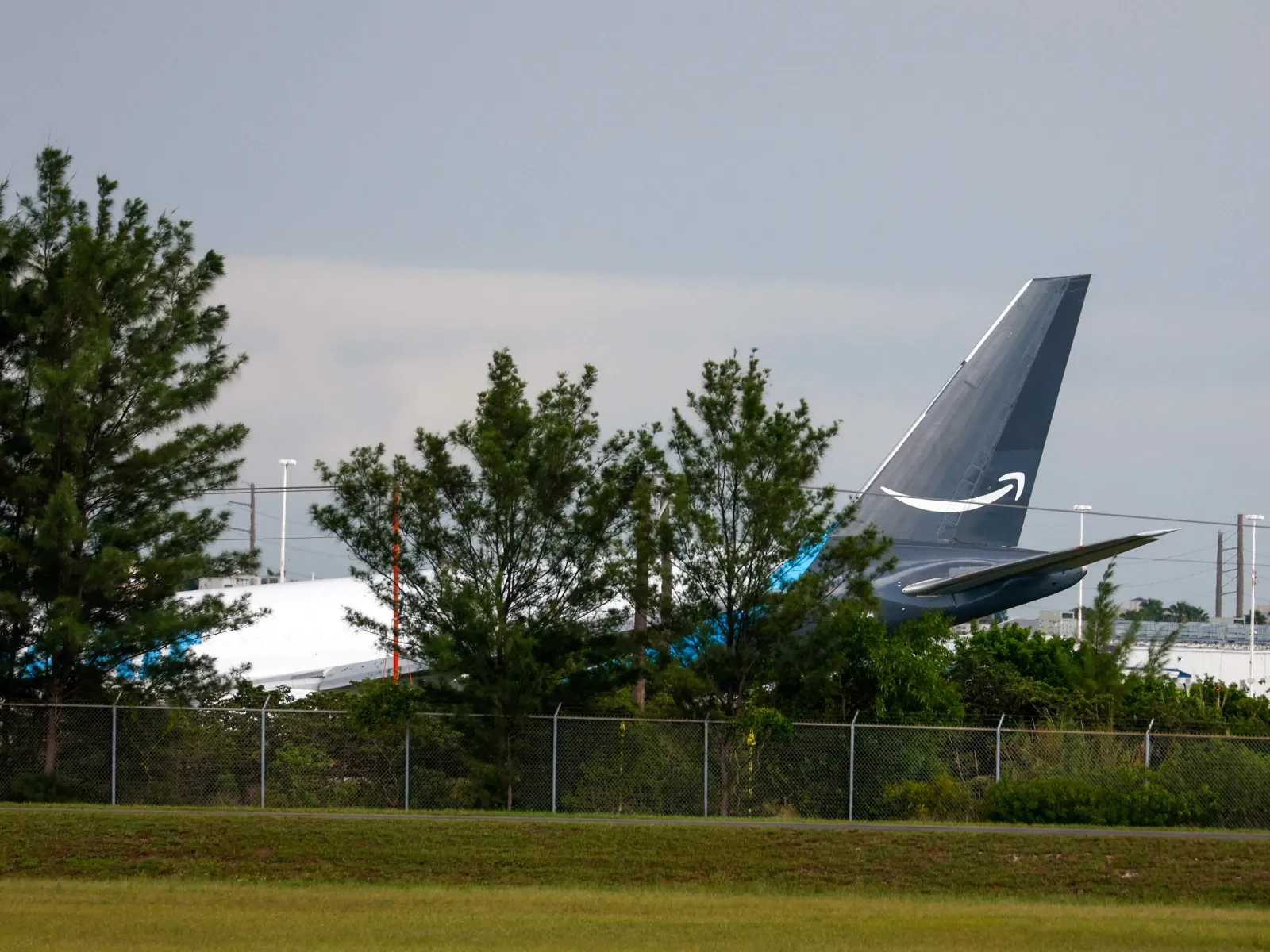
Amazon Prime Air 767 overshoots Miami runway, killing at least 5
The Boeing 767 freighter from San Juan struck vehicles and erupted in flames, prompting a ground stop and a fresh NTSB investigation into Amazon's air cargo network.
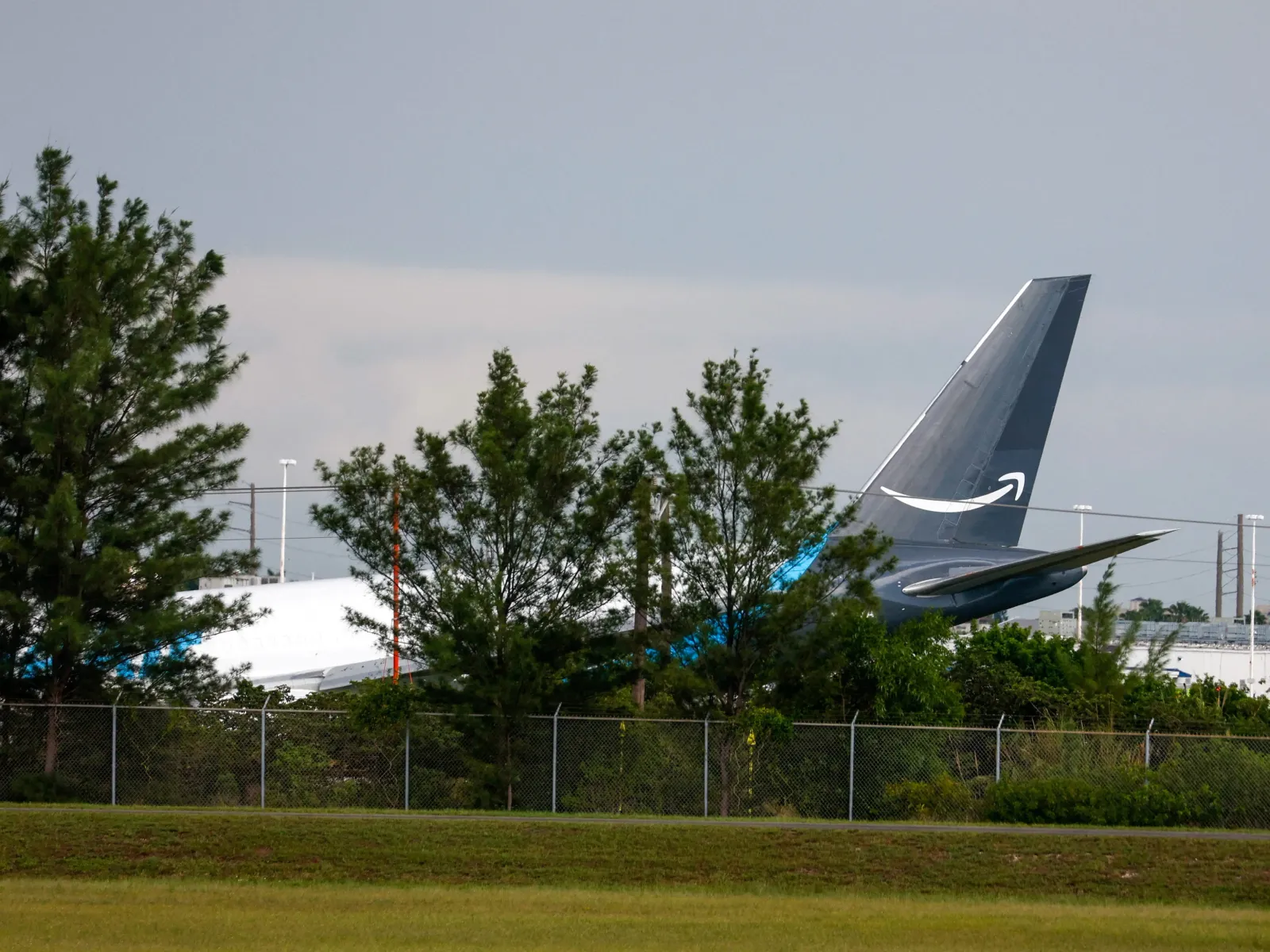
Amazon Prime Air 767 overshoots Miami runway, strikes vehicles, catches fire
The Boeing 767, operated by 21 Air, was arriving from San Juan when it overshot the runway, triggering a ground stop and multiple injuries.