

Anthropic digs in as Trump labels it a “supply chain risk” and hits Mythos export controls
In Trump’s D.C., Anthropic refused the usual “play nice” moves and may now pay in capital markets and model rollout.
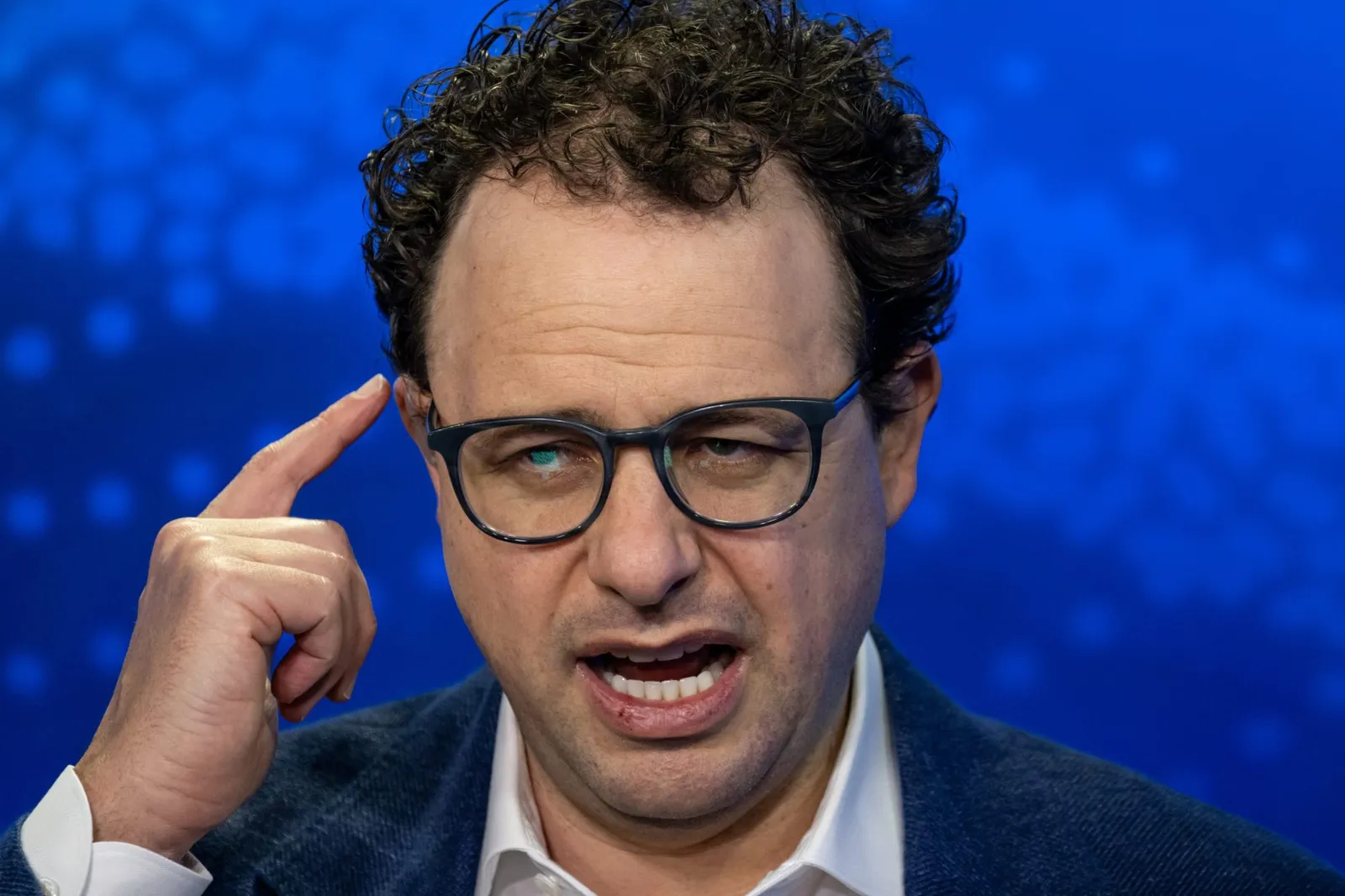
Anthropic’s CEO Dario Amodei and cofounder leadership are at the center of repeated Trump administration escalations, including Pentagon “supply chain risk” labeling and export controls on the Mythos AI model. Decision-makers now have to factor politics into regulatory access, public-market confidence, and the pace of advanced AI development.
On Friday, OpenAI said it was withholding the wide release of its latest AI model, GPT-5.6, at the request of the U.S. government. In the same window, the U.S. Commerce Department told Anthropic that export controls it had slapped on Anthropic’s Mythos AI model would be relaxed after a two-week period in which the export ban forced Anthropic to disable the model for all users.
That juxtaposition matters because it shows two different AI companies getting treated under the same Washington spotlight, at the same time. OpenAI is pausing deployment to comply with a government request. Anthropic is being forced into a sudden disablement, then getting a rollback of the restrictions, while the broader conflict around it escalates in parallel.
Anthropic’s ride in Trump’s D.C. has been rougher than almost any other major tech firm, and it is not just the latest export-control episode. Twice now the administration has taken unprecedented actions that pose what the article frames as potentially existential risk to the company, which is valued at $965 billion and has filed paperwork for an IPO expected in the coming months. In April, the Pentagon labeled Anthropic a “supply chain risk” after Anthropic refused to accept contract language that the Pentagon was insisting upon. Then, two weeks ago, Anthropic got hit with export controls on both Mythos and Fable, a version of the same model built for wider commercial release, after a Fable jailbreak was discovered that could allow users to circumvent guardrails designed to prevent access to Mythos’ full cyber capabilities.
If you are trying to map this to classic “regulatory friction,” it is still not straightforward, because the disputes look personal, public, and repeated. Trump administration officials have made vitriolic attacks against the company and against CEO Dario Amodei. Trump himself posted on social media that Anthropic consisted of “leftwing nut jobs” who were trying to “strong-arm the Department of War” when the Pentagon decision labeled the company a “supply chain risk.” During the same dispute, Emil Michael, the undersecretary of defense for research and engineering, posted on X that “it's a shame that Dario Amodei is a liar and has a God-complex.” Michael’s boss, defense secretary Pete Hegseth, called Amodei “an ideological lunatic” during an April Congressional hearing.
The article also points to David Sacks, Trump’s former AI and crypto czar, who continues to hold roles on several government technology advisory committees. Sacks has repeatedly accused Anthropic of a “sophisticated regulatory capture” strategy based on fear-mongering about AI’s dangers. He has also said the company has an “agenda to backdoor Woke AI and other AI regulations” by supporting state-level AI laws. During the recent export controls dispute, the article says anonymous senior U.S. officials repeatedly tried to portray Amodei as arrogant and aloof, including by saying he would not make himself available when the White House called. Anthropic disputes that, saying Amodei was on the phone with the administration within an hour and fifteen minutes of the White House calling.
At the heart of the conflict, according to the piece, is a deliberate choice Anthropic has made. Unlike nearly every other major tech company, it has refused to flatter or appease the White House. Washington insiders call this politically naïve. Anthropic employees and recruits, and some customers, call it a feature. For investors and board members, that difference is not just cultural. The article warns that continued hostility between the Trump administration and Anthropic could make it harder to sell public-market investors on a stock listing. It could also significantly hobble the company’s ability to continue developing advanced AI models and undo the widespread enterprise adoption its existing models have enjoyed.
This is where the bigger industry pattern comes in. The article describes a standard Trump playbook in which tech CEOs try to curry favor with the White House, often hiring people or taking actions that make the administration feel supported. In Zuckerberg’s case, for example, the article lays out how Meta suspended Trump from social media after the January 6, 2021 U.S. Capitol attack, and Trump retaliated with attacks on Zuckerberg. It then describes a turn toward appeasement: Zuckerberg appointing a Trump loyalist, Dana White, to Meta’s board; ending content moderation in favor of a “community notes” system; and promoting Joel Kaplan to lead global affairs, plus personal and corporate political giving connected to Trump. The same playbook is said to have followed other tech leaders such as Amazon founder Jeff Bezos and Apple CEO Tim Cook.
The piece extends the pattern to show that other AI firms have also leaned into Washington-adjacent strategy. It names OpenAI’s policy chief Chris Lehane as having built a reputation as a highly-effective hired gun for the crypto and tech industry in its fight against regulation. It also points to OpenAI cofounder and president Greg Brockman as the single largest donor to Trump Super PAC MAGA Inc. Meanwhile, it frames Anthropic as starting in a hole and digging, citing how Amodei reportedly called Trump “a feudal warlord” in a now-deleted Facebook post urging friends to vote for Kamala Harris. It also mentions that Amodei’s sister and fellow cofounder Daniela Amodei donated to Harris’s campaign and previously worked for Hillary Clinton.
For boards and executives across AI, the second-order lesson is brutal: even when the technical problem is specific, like a jailbreak in Fable that could undermine guardrails tied to Mythos’ cyber capabilities, the political problem can be broader and longer. Export controls that temporarily disable a model, a Pentagon “supply chain risk” label tied to contract language, and public disputes involving defense leadership and presidential posts all translate into operational downtime, slower deployment, and more uncertainty about what “compliance” will look like next.
In other words, Anthropic’s risk is not just that the government can tighten technical restrictions. It is that capital markets and enterprise adoption can interpret those restrictions as a signal that the regulatory ground is moving faster than the product roadmap. And in a world where a company valued at $965 billion is preparing for an IPO expected in the coming months, “moving ground” is a threat to valuation stories as much as it is to engineering schedules.
This story's Key Insights and Take-aways are locked.
Create a free account to unlock Executive Actions for one credit.
Register to UnlockAlways free for Executives Club members. Join the Club
More in Business
Comcast shares jump 25% as it plans to split NBCUniversal and Sky
The tax-free spin-off could reshape focus, funding, and competition across media and tech for years.

Bungie cuts most Destiny 2 staff as Sony says Marathon still matters
Herman Hulst confirms layoffs affecting most Destiny and some Marathon teams after Bungie admits Destiny fell short.

SK Hynix jumps 11% after seeking up to $29.4B in Nasdaq listing
The chip giant filed for a Nasdaq listing plan that could raise $29.4 billion, instantly reshaping investor expectations.