

Anthropic files to go public, revealing explosive growth and 90 pages of risks
The AI lab's first audited financials show booming revenue, heavy costs, and a warning list that should make investors and rivals pause.
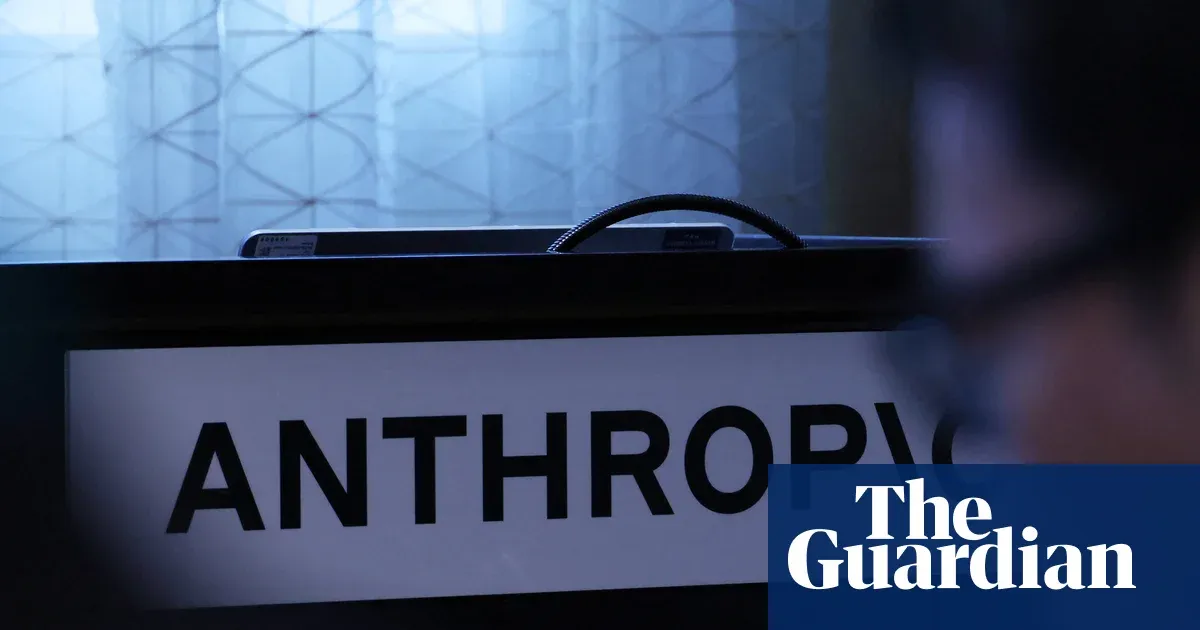
Anthropic filed an S-1 with US regulators on Monday, its first public financial disclosure, showing explosive growth and significant costs. The filing gives investors and tech peers their first audited look at the company's economics and a 90-page risk list spanning cyber-attacks to AI safeguards.
Anthropic on Monday filed its S-1 prospectus with US regulators, pulling back the curtain on its finances for the first time. The filing, which could be a record-breaking public stock market debut, reveals explosive growth alongside huge costs, and it carries more than 90 pages of risks that could hurt the business - from cyber-attacks to the limits of its own safety safeguards.
The investor document is the company's first audited financial statement to reach the public, and it does not hold back on ambition or alarm. It swings from soaring language about AI's "incredible potential" to warnings about existential risks of the technology, before grounding itself in the reality of Anthropic's current business: revenue is growing fast, but spending is growing just as fast. For anyone tracking the AI industry, this S-1 is the clearest signal yet that the sector's biggest private names are now preparing to face public market scrutiny.
An S-1 is the standard registration statement a company files ahead of an initial public offering, and it requires deep disclosure of financials, business models, competition, and risks. Anthropic's risk section is unusually extensive, reflecting how young and volatile the AI market remains. The company names cyber-attacks as a key threat, but it also flags something more domain-specific: the limits of its own safeguards. That is a candid admission for a company whose entire pitch is built on building AI that is safer and more aligned with human intent.
The filing also offers a window into the economics of frontier AI. Explosive growth in demand for AI tools and models has driven Anthropic's revenue upward, but the cost of computing power, talent, and infrastructure appears to be consuming much of that upside. This is not a unique dynamic in AI right now; most leading labs are burning cash to stay at the cutting edge. What is unique is seeing that trade-off laid out in an audited regulatory document, which forces investors to weigh long-term promise against present-day burns.
The 90 pages of risks go far beyond typical concerns like competition or regulation. They reportedly include existential risks from AI itself, a framing that is rare in a corporate filing. Anthropic is essentially telling public investors that the technology it is commercializing could, in the worst case, pose dangers that no safety framework can fully contain. That is not hyperbole for the company; it is a core part of its identity. But putting it in a prospectus raises a question every AI leader will now face: how do you sell a technology you also publicly warn might become dangerous?
For other AI startups and their boards, Anthropic's filing is a template and a test. It shows what thorough, first-generation AI risk disclosure looks like, and it raises the bar for transparency. Regulators, especially in the US, will likely point to this S-1 as evidence that AI companies can be publicly accountable. But it also gives competitors an unusual look inside a rival's financial structure, cost base, and risk appetite, which could reshape private valuations across the sector.
The strategic stakes are clear for every founder, CEO, and CFO in AI-adjacent industries. If Anthropic's public filing succeeds in drawing investor confidence despite its heavy spending and long risk list, it could open the door for other AI labs to go public. If the market reacts badly to those risks, the opposite could happen, freezing IPO plans for a generation of startups. Either way, this filing is a milestone: the AI gold rush is no longer just a private-market story, it is about to meet the discipline of public shareholders.
This story's Key Insights and Take-aways are locked.
Create a free account to unlock Executive Actions for one credit.
Register to UnlockAlways free for Executives Club members. Join the Club
More in Business

Anthropic's S-1 reveals $80.7B loss as it races OpenAI to IPO
The Claude maker files publicly for a Nasdaq listing under 'ANT,' exposing staggering losses and a world-altering ambition before it can beat OpenAI to the market.

A flaw in PHP just forced governments to pull their own sites offline
European agencies from Belgium to Germany took websites dark to patch a critical weakness in the language behind almost 70% of the web, and the blast radius extends far beyond government portals.

BioWare shuts down, Mass Effect 5 dead after $55B EA buyout
The legendary RPG studio's closure lands months after a $55 billion investment group buyout of EA, raising tough questions for gaming's biggest acquirers.