

Anthropic pledges 5% of stock to charity, but the gift hinges on AI boom
The AI giant's philanthropic fund is real, but its value is a bet on the sector's staying power.
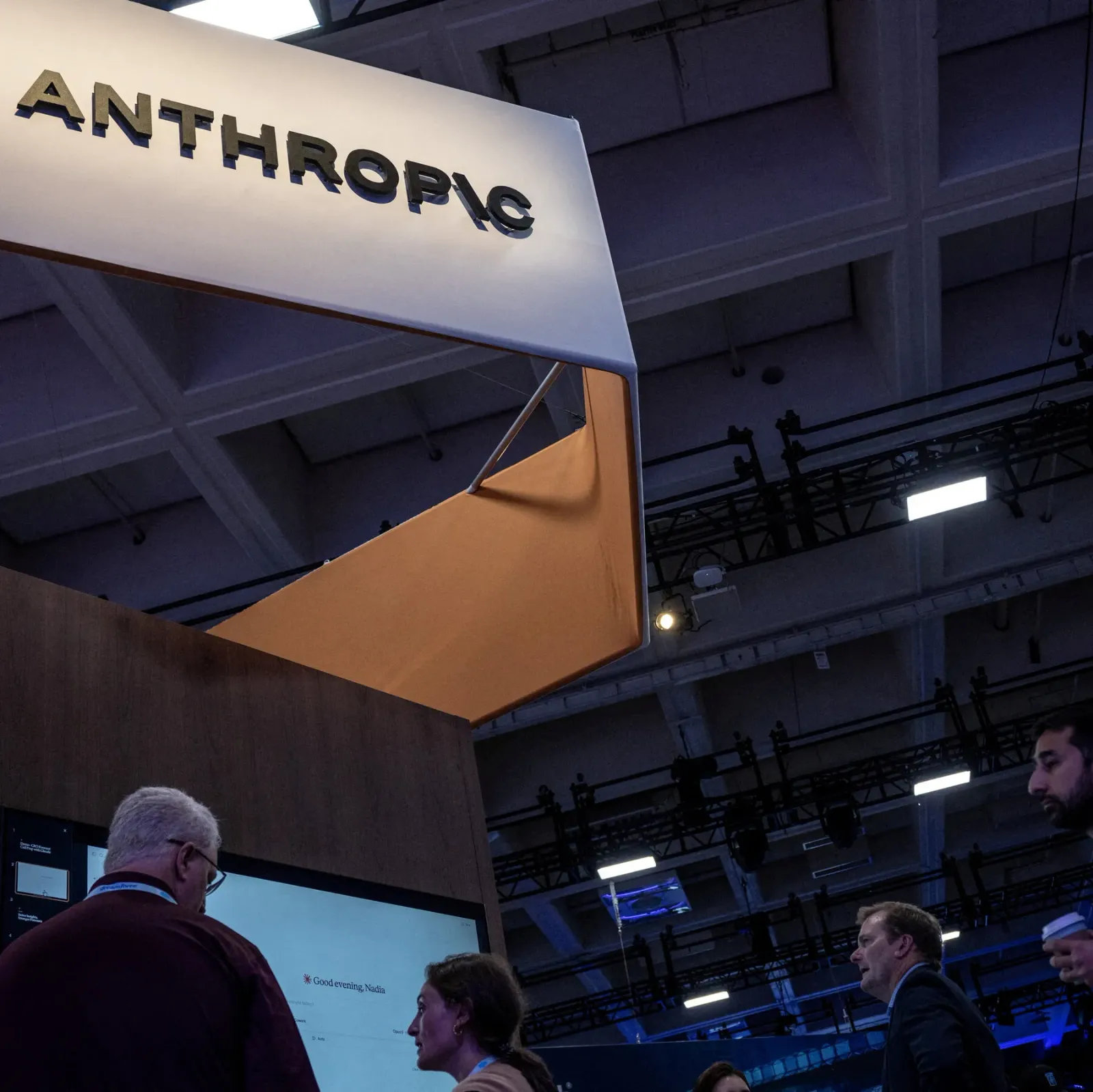
Anthropic, the AI company behind Claude, plans to contribute 5 percent of its stock to a philanthropic fund. The pledge's value depends on the AI boom continuing, making the charity's fate a proxy for the sector's trajectory.
Anthropic, the artificial intelligence company behind the Claude chatbot, plans to contribute 5 percent of its stock into a philanthropic fund. But the generosity comes with a catch: the fund's value depends on the AI boom continuing, according to DealBook. The plan, which DealBook dubbed an 'I.P.O. Charity,' ties the company's charitable ambitions to its public-market prospects.
The structure is a stock donation, not a cash gift. That means the philanthropic fund's purchasing power will rise and fall with Anthropic's share price. If the AI boom continues and Anthropic's valuation keeps climbing, the 5 percent stake could become a massive endowment. If the sector cools, the charity could end up with a fraction of the intended windfall. The pledge is effectively a bet on the durability of AI enthusiasm.
For context, stock-based philanthropy is a well-worn playbook in tech. Founders and early investors often donate shares to donor-advised funds or private foundations, typically avoiding capital gains taxes while locking in a charitable deduction. What makes Anthropic's plan notable is the explicit linkage to the AI boom. The company is not simply giving away shares it already considers valuable; it is acknowledging that the value is contingent on a market that has shown signs of both euphoria and anxiety.
The timing matters. Anthropic is one of the most prominent AI companies, and its plans are being watched closely as the sector navigates a period of intense investment and regulatory scrutiny. The 'I.P.O. Charity' label suggests the contribution is being structured as part of a future public listing, a move that would let the company convert its paper wealth into a permanent philanthropic vehicle. But the label also carries a warning: the charity's fate is tied to the same boom that has driven AI valuations to dizzying heights.
The dependency on the AI boom creates a unique governance question. Most charitable pledges are measured against a company's ability to generate cash or the value of its assets at the time of the gift. Here, the pledge is explicitly forward-looking. If the AI boom falters, the fund could be undercapitalized just when social needs might be greatest. That is not a flaw in the plan, but it is a risk that donors and beneficiaries should understand. The company is effectively saying: we will give when we win, and the size of the gift depends on how much we win.
For other AI companies, Anthropic's move sets a precedent. As the sector faces questions about the concentration of wealth and the societal impact of AI, tying philanthropy to equity performance is a way to align incentives. But it also invites scrutiny. Regulators and watchdogs may ask whether such pledges are genuine generosity or a tax-optimized way to manage a windfall. The structure could become a template for other AI unicorns looking to burnish their social credentials without committing cash today.
The strategic stakes are clear. For executives and boards, the plan is a reminder that in the AI economy, even charity is a derivative of the market's mood. A company that pledges stock is making a statement of confidence in its own future. But that confidence is only as strong as the sector's momentum. If the AI boom continues, Anthropic's 5 percent stake could become one of the largest philanthropic endowments in tech. If it does not, the pledge will be a footnote in the story of a bubble that deflated before the generosity could land.
This story's Key Insights and Take-aways are locked.
Create a free account to unlock Executive Actions for one credit.
Register to UnlockAlways free for Executives Club members. Join the Club
More in Business

Elon Musk unveils a flying car, and SpaceX helped build it
The Tesla CEO's showcase at a SpaceX facility signals a future where road and rocket engineering converge.

Apple's $2,000 iPhone Duo opens preorders, taking on Samsung and Google
Apple's first foldable hits the market at a premium price, reshaping a category Samsung and Google have led.

Pope Leo XIV, first American pope, diagnosed with lung cancer
The 71-year-old Chicago-born pontiff underwent successful surgery on his right lung, and his diagnosis raises new questions about his AI-focused papacy and the Vatican's future.