

Anthropocene “chaos” is accelerating plant evolution, and it could boost biodiversity
Evolution is speeding up to fill extinctions. The catch: conservation records miss many “outlaw” winners.
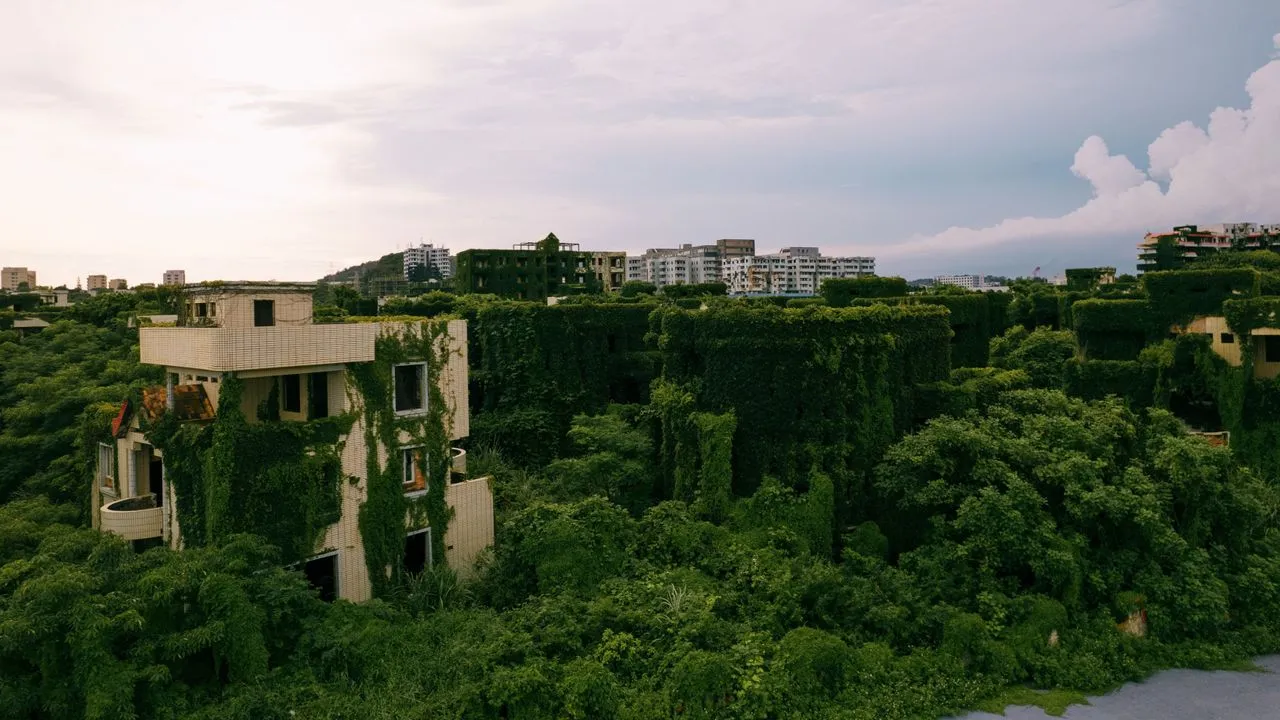
Fred Pearce’s “Despite it All” argues that the Anthropocene is turbocharging evolution, especially in plants, and that this can increase biodiversity if society stops excluding newcomers. For decision-makers in conservation and land management, the consequence is simple: how you measure “native” can determine whether rewilding succeeds.
The Anthropocene is not just breaking ecosystems. In Fred Pearce’s book “Despite it All” (Granta, 2026), he makes a sharper claim: the apparent chaos of the Anthropocene is turbocharging evolution itself, and plant evolution is happening at an increasing rate. That matters because evolution is how nature refills gaps left by extinctions. If you let the process run, Pearce argues, biodiversity can rise even while many species are declining.
Chris Thomas, an ecologist at the University of York, is the key voice in this excerpt. Pearce says Thomas had published an influential paper in 2004 warning climate change could wipe out a quarter of the world’s species this century, calling it “terrifying.” Two decades later, Thomas has not changed that forecast in Pearce’s telling, but he adds a rider: “the Anthropocene could raise biological diversity.” Pearce points to Thomas’s research showing evolution in the twenty-first century is speeding up to fill those gaps, with “seeds of recovery” already visible, including that “genes are jumping around” and “new species are beginning to emerge.”
Here’s the hard part for anyone making rules, budgets, or conservation plans: our biodiversity accounting often lags behind the reality on the ground. Pearce describes how “alien” species are treated as not belonging in biodiversity assessments, meaning losses and gains are not both counted. In Britain, he writes, official records show biodiversity in decline even though, if you add all losses and all gains together, “it is unequivocally true that the total number of species in Britain is increasing.” The effect is an ecological catch-22. If new species are automatically labeled inimical and removed from the numbers, then biodiversity can only ever look like it’s shrinking.
This is where traditional incentives and institutional instincts collide with ecological dynamics. Pearce argues that conservation often spends millions of pounds, dollars, and euros eliminating weeds and other “outlaw” plants, even when some of those newcomers could be beneficial. He doesn’t say eradicate everything. He explicitly notes that in some cases, it makes practical sense to eradicate invaders, especially pests that cause short-term ecological mayhem and economic damage. But he presses a logical contradiction: if you choose to get rid of new species, you cannot also hold up your hands in horror at declining biodiversity.
Pearce also broadens the frame beyond paperwork and perception. He points out that species migration can stir things up in ways that help ecosystems function. Migrants interact with other species: eating or being eaten, pollinating, and rotting after death to nurture new organisms. That’s why he argues for embracing “novel ecosystems” that contain both what people regard as native species and “feral, opportunistic interlopers” that find their environment congenial.
The excerpt connects that idea to “outlaw plants” as celebrated by British naturalist Richard Mabey, who in a book about weeds highlighted how such plants have shaped landscapes and even civilization, becoming crops, medicines, and sources of beauty and inspiration. Pearce then takes another swipe at nostalgia. The “balance of nature” story, he argues, is often a passing phase. Nature is always moving on, and humans have shaped what people later treat as pristine.
For context, Pearce includes Erle Ellis, an environmental scientist who runs the Anthroecology Lab of the University of Maryland. Ellis’s argument in this excerpt is that most of the planet has been heavily influenced by human activity for thousands of years, including places like the Amazon that many people imagine as untouched. Pearce says the result is that humans and nature have not historically been at odds. In fact, he writes that the most biodiverse places are often those where people have lived the longest, creating mosaics of habitats where more species thrived than in places with less human interference.
That leads to a practical conservation implication: Pearce argues we should be careful not to let reverence for the pristine blind us to the environmental potential of today’s wastelands, including backwoods, abandoned fields, scrublands, and “no-go areas.” In a “Good Anthropocene,” he writes, societies are likely to need more of those spaces. And the evolutionary logic is the closing engine of the argument. Pearce says the “apparent chaos” of the Anthropocene is turbocharging evolution itself, turning each environmental perturbation into opportunity for existing species to adapt or new ones to evolve. He adds that understanding this reality should change conservation strategy, because it is undeniable that most species of plants and animals are currently in numerical decline in a human-centric world, yet locally biodiversity has sometimes increased substantially in gardens, parks, toxic brownfield sites, roadside verges, and similar human-created habitats.
For boards, funders, and land-management leaders, this is the strategic stake. If you build programs that count biodiversity one way on paper, and manage landscapes as if “outlaw” species must be removed for purity, you might systematically block the very recovery processes evolution is already starting. Pearce’s excerpt insists nature is not waiting for permission. The Anthropocene is running the experiment right now. The question is whether our systems will measure what’s happening and make room for the recovery they claim to want.
This story's Key Insights and Take-aways are locked.
Create a free account to unlock Executive Actions for one credit.
Register to UnlockAlways free for Executives Club members. Join the Club
More in Science

Alaska's 1,580-foot tsunami had warning signs. Scientists just found them.
Rapid glacier retreat, heavy rainfall, and thousands of tiny tremors preceded Alaska's 1,580-foot tsunami, a warning for every coastal community in a warming world.

The rare mutation that lets high-risk brains dodge Alzheimer's
Scientists found a natural defense against protein buildup, opening a new path to preventive treatments.

3,000 steps a day may halve Alzheimer's decline, study finds
New research links a modest daily walk to less tau buildup and nearly half the cognitive and functional decline, even for those with early signs.