

Appeals court keeps blocks on Trump order restricting mail voting
Saturday’s ruling adds to the rebukes to Trump’s mail-voting push, with the government signaling a possible Supreme Court fight.
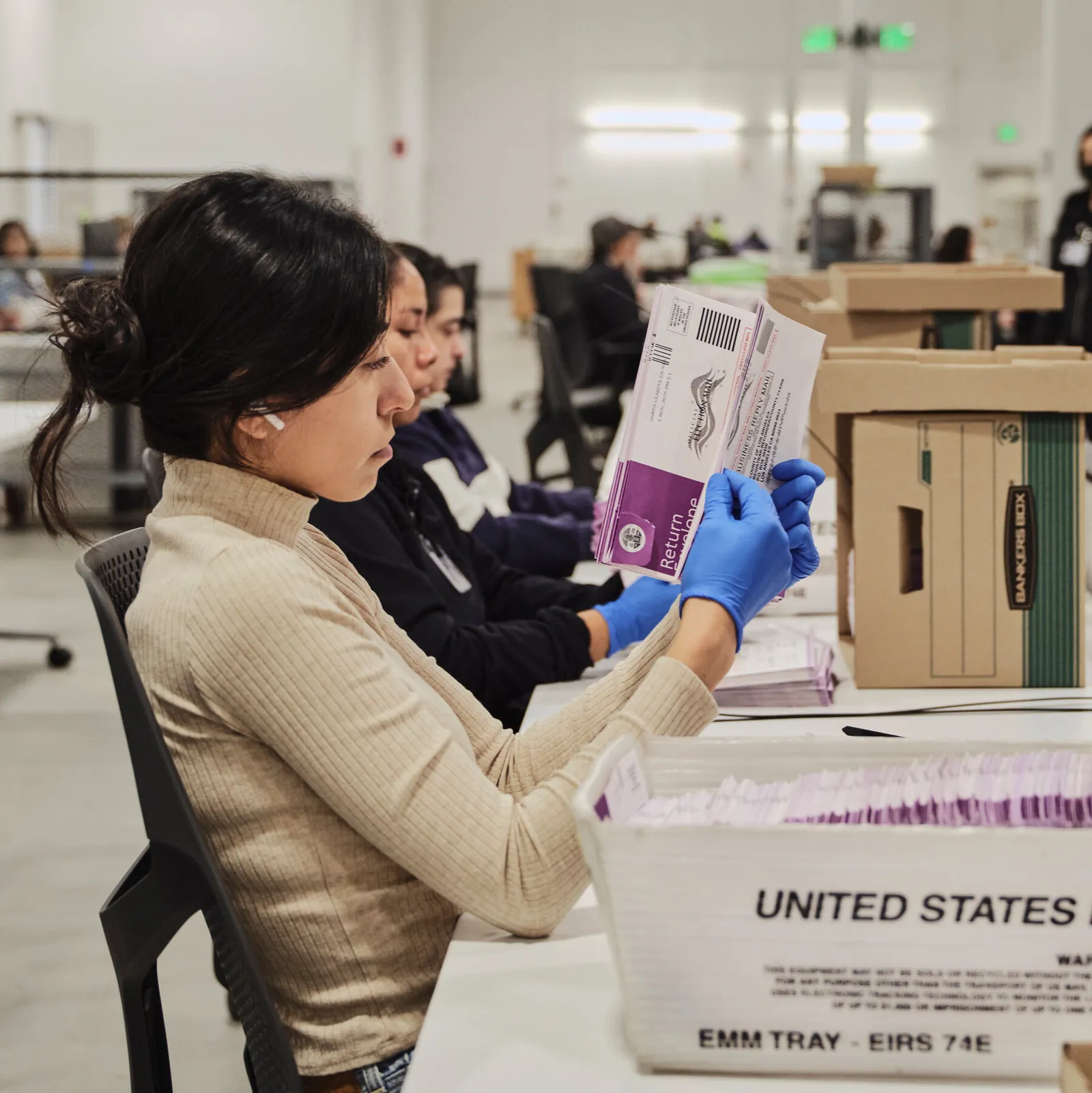
An appeals court upheld blocks on an order by President Trump restricting mail voting. The decision is the latest rebuke to the administration’s stance and the government says it may take the case to the Supreme Court.
An appeals court upheld blocks on President Trump’s order restricting mail voting, delivering another judicial setback to the administration’s push. The ruling, issued on Saturday, lands in a chain of court rebukes that is now shaping how quickly any new election rules can actually reach voters. And importantly for decision-makers watching the process, the government has signaled it may take the case to the Supreme Court, meaning the fight is not done and timing is now a strategic variable.
For anyone running a company with government exposure, a regulator-sensitive operation, or a board that lives on risk management, this matters because election administration is one of those rare policy areas where the legal path can directly collide with operational timelines. Mail voting is not just a political headline, it is logistics, staffing, cybersecurity posture, vendor coordination, and a communications burden that has to be executed under tight deadlines. When courts block an order, those real-world gears can grind: states and election administrators may need to keep older procedures in place longer than planned, while agencies and related stakeholders adjust to a moving target.
Zoom out and you see the incentive structure. The administration argues for restrictions, while challengers seek to limit changes on the grounds that the order impairs access or violates legal standards. Courts, meanwhile, face a familiar test: whether the government can justify the change quickly enough, and whether the challengers have a strong enough case for relief now rather than later. In election disputes, “later” is not a comforting word because deadlines do not pause for litigation. That is why appeals rulings are treated like operational signals, not just legal milestones.
This is also what it means when the government says it may take the case to the Supreme Court. The Supreme Court is not a routine forum; it changes the probability distribution of outcomes and lengthens the uncertainty period. Lower-court blocks tend to tighten the immediate window for implementation, while a potential Supreme Court appeal injects an additional layer of strategic calculation. Even if the ultimate result is unknown, the possibility alone forces institutions to plan for contingencies. Think about what happens if administrators have already trained staff, procured supplies, or published voter-facing guidance based on one set of rules and then learn those rules are restrained.
For executives and boards, the second-order effect is not partisan. It is about how judicial decisions propagate into operational risk. Election administration decisions, especially those affecting voting access, can trigger procurement changes, vendor relationships, communications strategy shifts, and budget adjustments. If a policy is blocked, contracts and compliance workflows may need to revert, even if the organization was preparing for a different regulatory reality. That is a governance problem, not just a political one: boards want predictability, and litigation-driven policy swings degrade predictability.
It also matters for anyone in adjacent sectors, like media, technology, payments, or identity verification. While this specific dispute centers on restricting mail voting, the broader ecosystem is sensitive to rule changes because election systems and election communications sit near the center of public trust. When courts repeatedly intervene, it can intensify scrutiny across the board, making oversight more active and compliance expectations more demanding. The operational implication is that stakeholders may tighten internal processes to manage reputational and regulatory exposure during politically charged periods.
And for policymakers and their legal teams, the appeals court’s decision is a reminder that the courts can act as a brake. The administration’s attacks on mail-in voting, as described by the reporting, have already met resistance in the courts, and Saturday’s ruling is framed as the latest rebuke. That language is not just narrative color; it signals a pattern. Patterns matter because they influence how the public and institutions interpret each new step in the process: is this a one-off legal glitch, or a recurring failure to clear the legal thresholds courts apply?
Finally, consider what happens next if the government pursues the Supreme Court. The dispute becomes a longer-running uncertainty loop that can affect how stakeholders plan for election administration, compliance, and communications in the lead-up to voting deadlines. For companies and boards, the action point is less about predicting the legal outcome and more about treating policy timelines as risk inputs. Saturday’s ruling is a concrete reminder that legal decisions can move fast, and reversals can cascade into operational reality quickly. The case may or may not end at the Supreme Court, but the strategic stakes are clear: the longer the uncertainty, the more important it becomes to run your plans like you expect change, because change is already happening.
This story's Key Insights and Take-aways are locked.
Create a free account to unlock Executive Actions for one credit.
Register to UnlockAlways free for Executives Club members. Join the Club
More in Politics
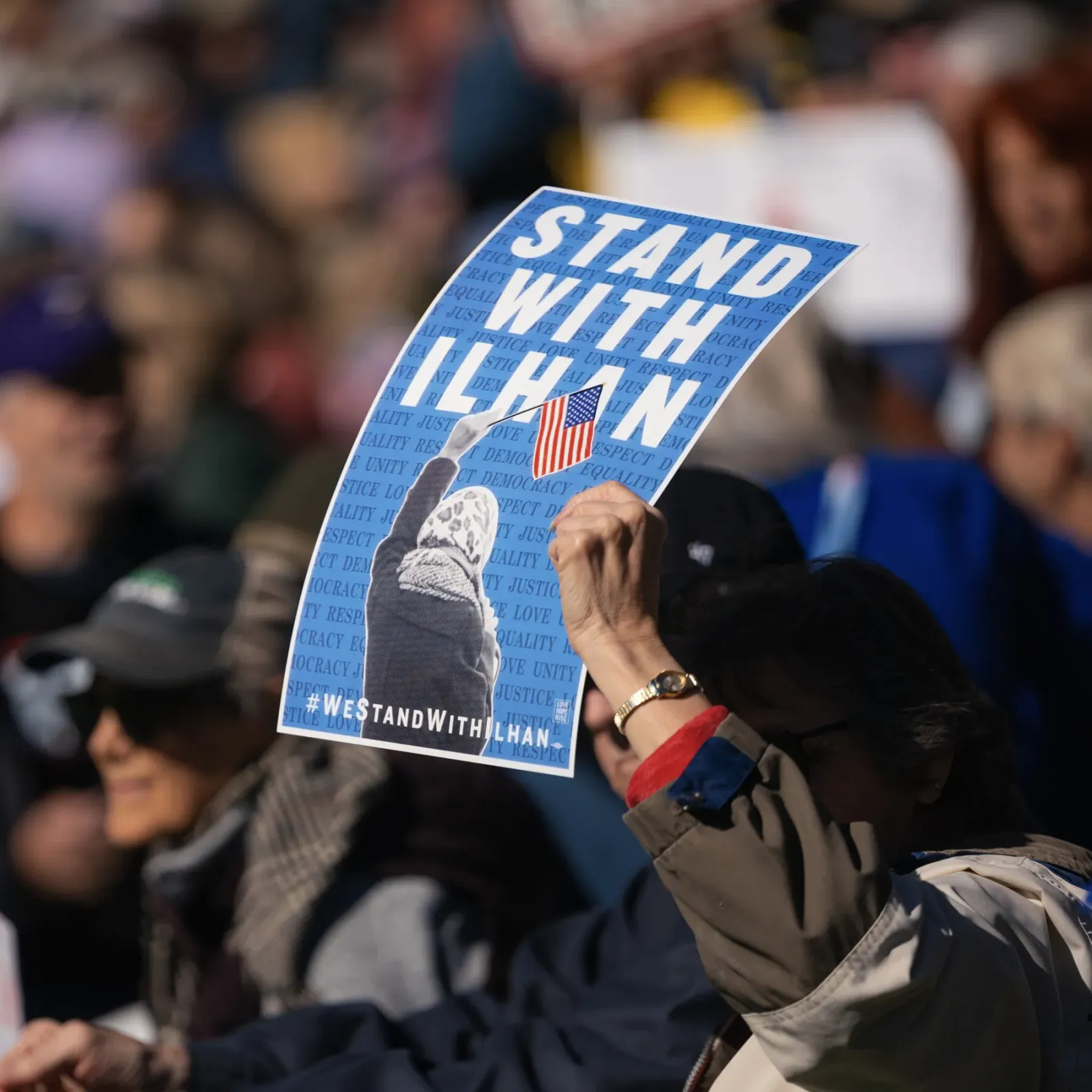
Obama Defends Ilhan Omar After Agents Search Her Home in Trump Inquiry
The former president's intervention raises the stakes in a federal probe into immigration paperwork that has put a prominent progressive lawmaker in the crosshairs.

Blair-era minister: cut welfare to fund youth job support
Alan Milburn's call for welfare cuts to fund employment support opens a Labour fight over benefits and the Neet crisis.
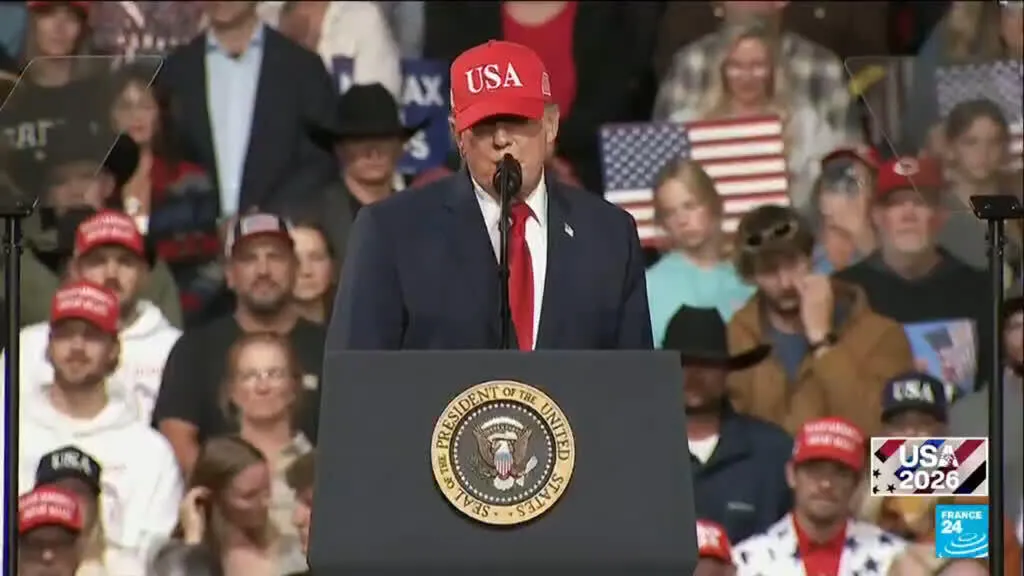
Hot September CPI: energy costs surge, voters feel the squeeze before midterms
The latest inflation print lands as Trump campaigns for GOP control of Congress, putting cost-of-living worries at the center of the midterm fight.