
Trump pauses major Iran escalation as advisers warn air-defense munitions could run low
The White House weighs broader hostilities against a finite air-defense supply in the Middle East, with risks for regional stability and readiness.
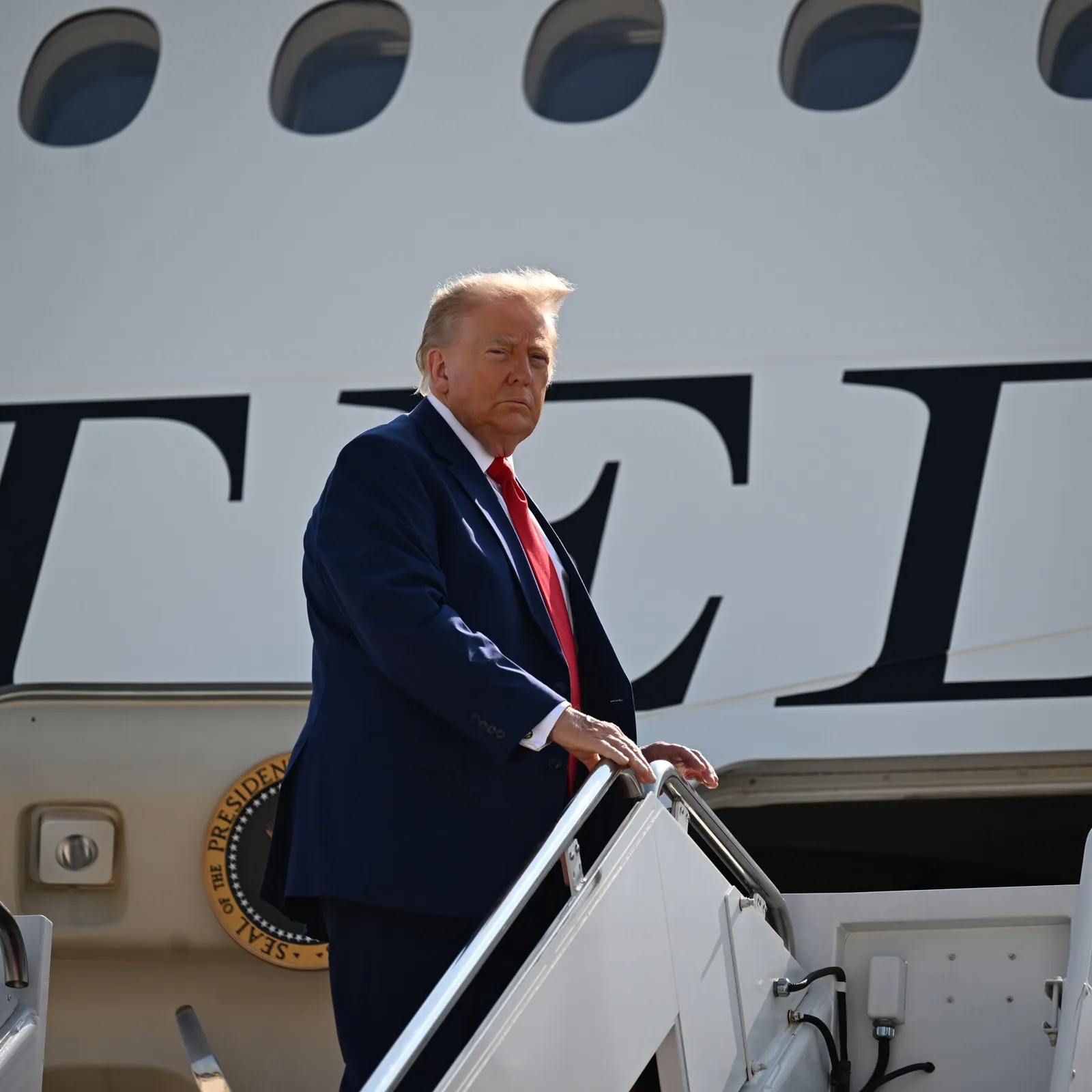
President Trump is holding off on major war escalation against Iran as advisers raise concerns about expanded hostilities. The immediate consequence is tighter pressure on air-defense munitions availability and readiness, which ripples into operational and policy decision-making.
President Trump is holding off on major war escalation against Iran as advisers raise concerns that expanded hostilities could drain the diminished stockpile of air defense munitions in the Middle East.
That single constraint matters because air-defense capacity is not an infinite spreadsheet line item. If hostilities expand, the demand for interceptors, related munitions, and the overall ability to protect key assets rises quickly, while the supply available in theater may be smaller than it should be after prior operations. In other words, the “how far can this go” question is partly an inventory question, and the inventory appears, according to the concern cited, to be diminished.
To understand why this becomes a strategic bottleneck, think about how defense planners normally operate. Air-defense systems are designed around timing, coverage, and replenishment cycles. They are built to protect specific geographies and assets, and they rely on a stockpile that can be depleted in ways that are hard to reverse quickly. When advisers worry about draining munitions during expanded hostilities, they are effectively flagging that the marginal benefit of escalation could be offset by a growing operational weakness: less protection when it is needed most.
For decision-makers, the tradeoff is brutally practical. Escalation can change the tempo and scale of threats. It can also change the intensity of engagements where air-defense systems are actually used, not just monitored. If the stockpile is already diminished, then each additional operation may consume a larger share of remaining capability. That can force policymakers into a narrower set of options later, when the situation is most dangerous and flexibility is most valuable.
This also has a second-order effect on how governments and the private sector think about risk. When stockpile constraints shape military decisions, they can shape everything downstream: procurement timelines, contractor readiness, and regional posture. Even if a specific decision is framed politically, the operational limits help determine how quickly new rounds of defense shopping, logistics routing, and supply allocation can kick in. Those are the same mechanics that investors watch in peacetime, when companies report on production capacity, supplier depth, and lead times. In wartime-adjacent scenarios, the “lead time” story becomes a “can we actually protect people and assets while the supply catches up” story.
There is also a policy and regulatory lens to keep in mind. Defense procurement and munitions resupply generally operate within a dense web of authorization, budgeting, and compliance requirements. Governments do not just place an order and receive munitions instantly. They must navigate legal authorities and operational constraints, and they must coordinate across agencies and defense supply chains. When advisers point to a diminished air-defense stockpile, they are highlighting that the approval and replenishment process is not the same as instant delivery. So the decision to hold off on escalation is not merely about diplomacy. It is about managing the timeline pressure created by existing readiness levels.
At the corporate level, executives in industries tied to national security often face the same kind of reality check: contracts and capacity exist, but the ability to scale quickly depends on production throughput, components, and the ability to deliver where the demand spikes. Boards and senior leaders think about scenario planning for exactly these reasons, even when their customer is not “the battlefield” in a literal sense. Here, the cited concern suggests the customer side is explicitly thinking in terms of finite munitions consumption, and that kind of logic can accelerate shifts in what governments prioritize next.
For peers trying to read the strategic room, the takeaway is that restraint may be driven by the hard math of inventory rather than solely by political optics. If expanded hostilities risk draining a diminished stockpile of air defense munitions in the Middle East, then “how much escalation” becomes less about rhetoric and more about sustaining protective capability over time. That is an operational constraint with political consequences, and it can shape what actions are viewed as feasible, responsible, or survivable.
This story's Key Insights and Take-aways are locked.
Create a free account to unlock Executive Actions for one credit.
Register to UnlockAlways free for Executives Club members. Join the Club
More in Politics
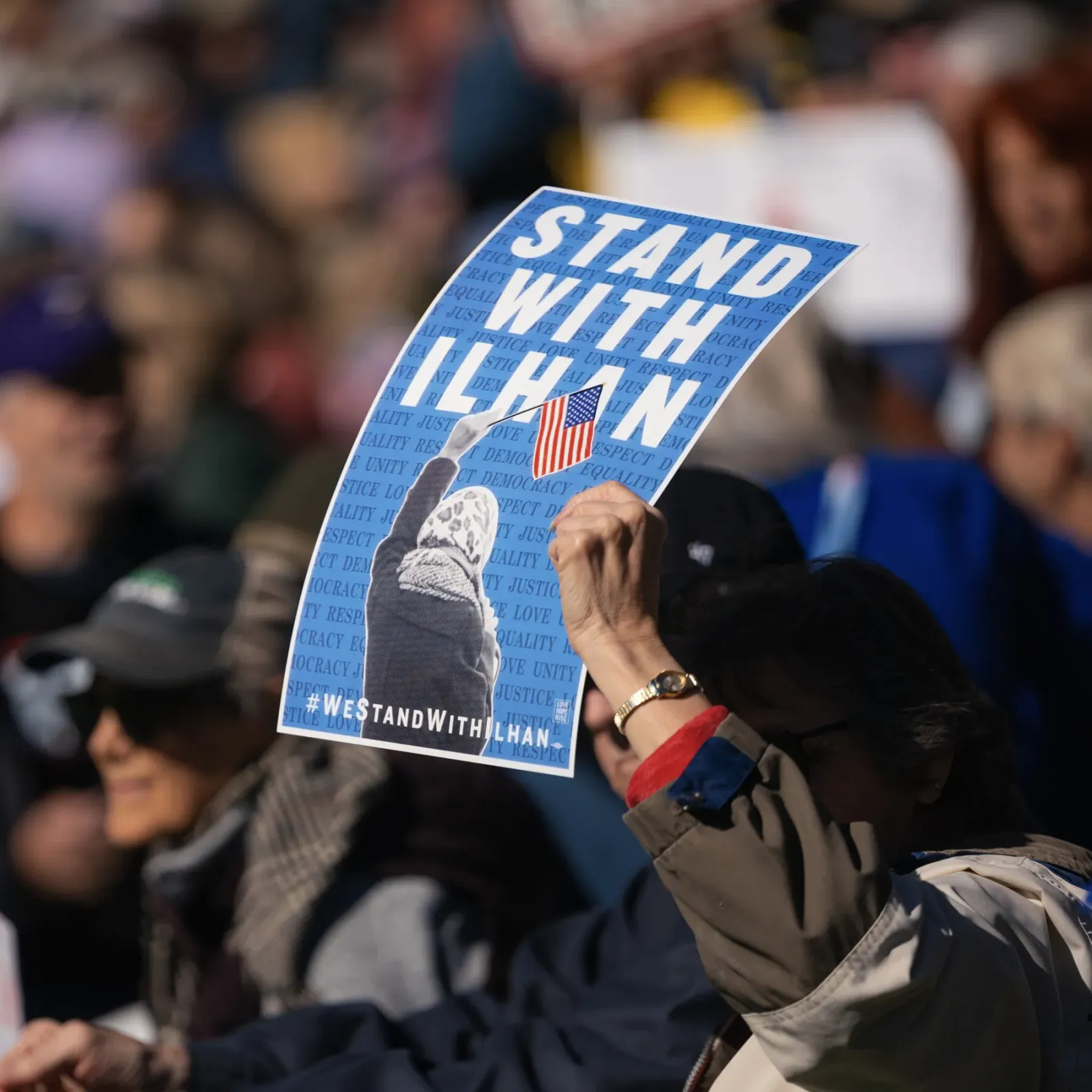
Obama Defends Ilhan Omar After Agents Search Her Home in Trump Inquiry
The former president's intervention raises the stakes in a federal probe into immigration paperwork that has put a prominent progressive lawmaker in the crosshairs.

Blair-era minister: cut welfare to fund youth job support
Alan Milburn's call for welfare cuts to fund employment support opens a Labour fight over benefits and the Neet crisis.
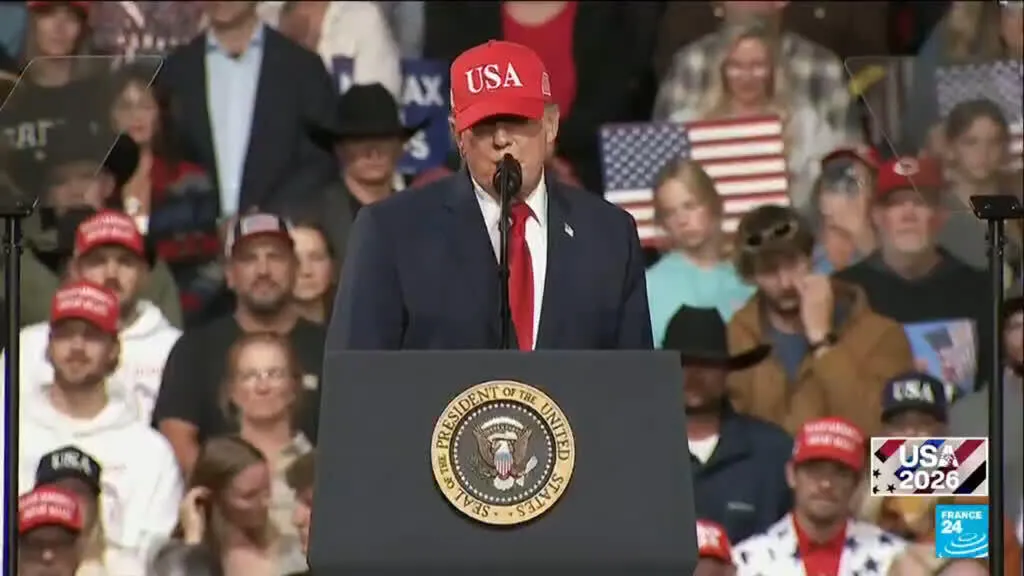
Hot September CPI: energy costs surge, voters feel the squeeze before midterms
The latest inflation print lands as Trump campaigns for GOP control of Congress, putting cost-of-living worries at the center of the midterm fight.