

Apple, Amazon, Nvidia quietly lift again, and the ‘Magnificent Seven’ could restart a stalled market
The leaders are coming back to life, and that matters for every portfolio that has been waiting for a real turn.
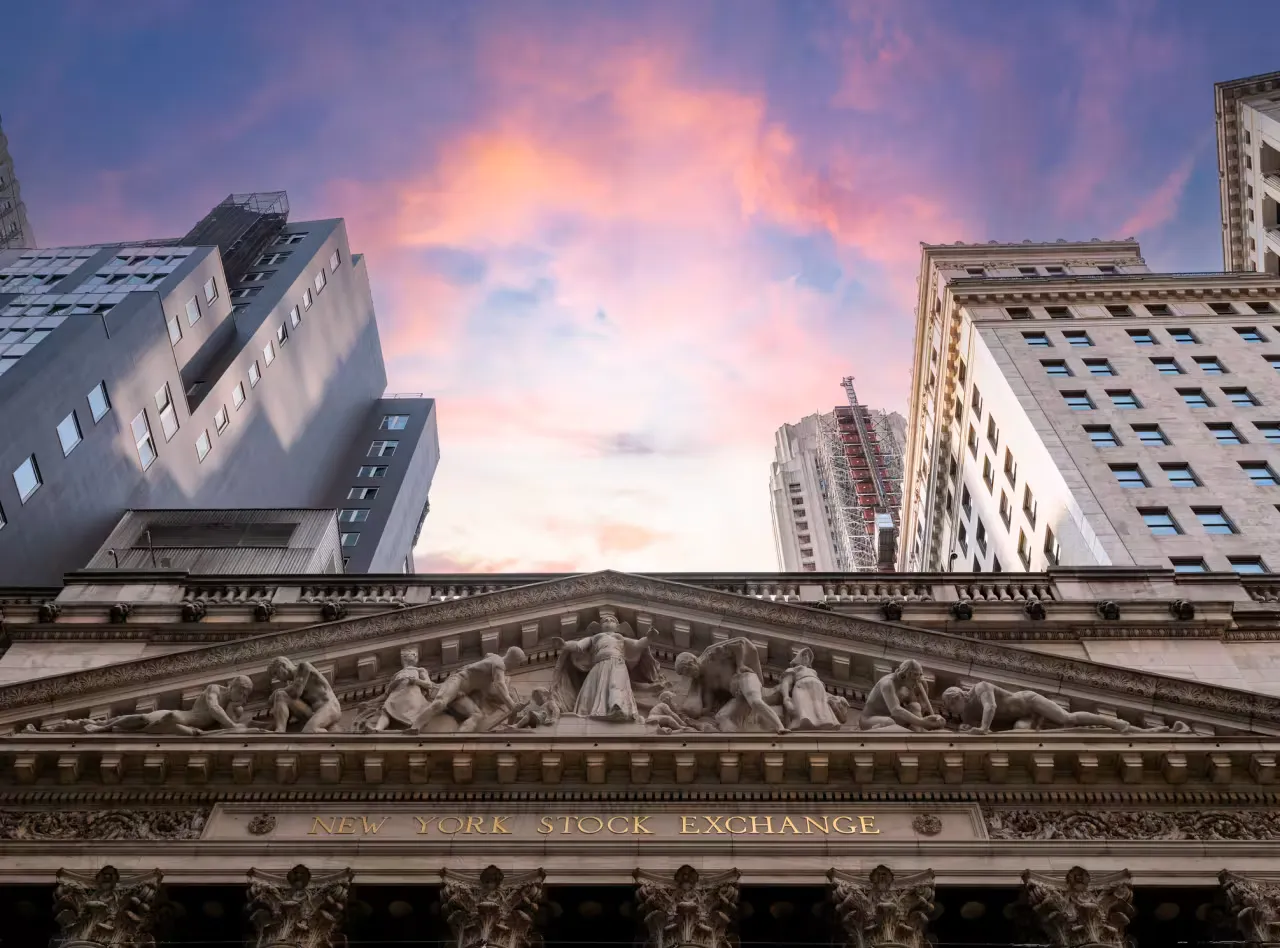
Apple, Amazon, Nvidia and their peers are quietly coming back to life. For decision-makers, their revival could jolt a stock market that has felt sleepy into renewed momentum.
Apple, Amazon, Nvidia and peers are quietly coming back to life. That is the headline-level shift the MarketWatch roundup points to, and it is exactly why the “Magnificent Seven” gets dragged into every conversation about whether the broader market can keep moving.
The key idea is simple: when Apple, Amazon, Nvidia, and other heavyweight names stabilize or re-accelerate, they do not just move their own stock prices. They can change the temperature of an entire tape. If the market has been acting sleepy, a revival from the group that dominates attention, index weight, and benchmark performance can pull investors back from the sidelines and remind them there is real momentum to chase.
To understand why this “quiet comeback” can have loud effects, you have to know how the market actually breathes. The S&P 500 and similar benchmarks are heavily influenced by mega-cap technology and platform-adjacent companies. When these stocks perform well, a lot of “core” exposure follows the path of least resistance, because many funds and portfolios are benchmark-linked or benchmark-aware. Even when the broader economy is not flashing any particular signal, price action in the largest constituents can be enough to make the market feel tradable again. In other words, the Magnificent Seven can act like a steering wheel for the perception of risk-on.
But this is not just about optics. It is about incentives. Boards and executives at these companies have spent years tying corporate strategy, capital allocation, and investor expectations to the idea that scale plus product depth plus cash generation can support continued returns. When the market narrative shifts from “stagnation” to “revival,” it can tighten financial conditions for peers and partners who rely on capital markets confidence. That does not mean every smaller stock suddenly rallies for the same reason. It means the cost of waiting goes up, and capital begins to move again.
There is also a regulatory backdrop that makes investor behavior more jumpy than casual observers might assume. Over the past few years, big tech has faced intense scrutiny around competition and platform power. That scrutiny can create uncertainty that lingers even after immediate outcomes are known. Even without naming specific actions in this source, the broader point holds: when regulation is part of the story, investors often look for a market “confirmation event” to justify taking risk again. A credible upturn in the dominant names can function as that confirmation, because it suggests the biggest perceived risks are not overwhelming the earnings and cash-flow engine.
Second-order implications matter here for companies outside the Magnificent Seven too. If Apple, Amazon, Nvidia, and peers are coming back to life, it can signal that demand conditions, supply chain stress, or technology spending expectations are not deteriorating as quickly as feared. That perception can influence everything from vendor negotiations to hiring plans to follow-on financing assumptions. Executives at adjacent firms typically do not just ask, “How is our quarter?” They ask, “How is the market going to price the category next quarter?” A market that revs can upgrade expectations across the ecosystem.
The stakes for decision-makers are especially direct when you zoom out to what “saving” actually means. It does not mean the Magnificent Seven can guarantee an upside trend for the entire market. It means they can reduce the probability of a negative spiral where investors keep retreating because the biggest names are not providing an anchor. If those leaders are quietly coming back to life, the market may not need a dramatic catalyst to re-engage. It might only need the market’s most influential constituents to start acting like the future again.
For boards and investors tracking similar large-cap strategies, the lesson is to watch more than headlines about individual earnings beats. Pay attention to whether mega-cap momentum is returning and whether it is strong enough to change broader index behavior. In a market that might be doomed without them, the Magnificent Seven are not just participants. They are potential gatekeepers of whether capital believes there is still a runway ahead.
This story's Key Insights and Take-aways are locked.
Create a free account to unlock Executive Actions for one credit.
Register to UnlockAlways free for Executives Club members. Join the Club
More in Business

Uber buys Delivery Hero for nearly $15B, vaulting to top food delivery outside China
The deal doubles Uber's dual-services footprint and pushes a ride-and-eats bundling play into 50 more markets.

Epic and Google drop settlement bid, forcing rival Android app stores by July 22
Google told the court it is ready to carry third-party app stores starting Wednesday, July 22.
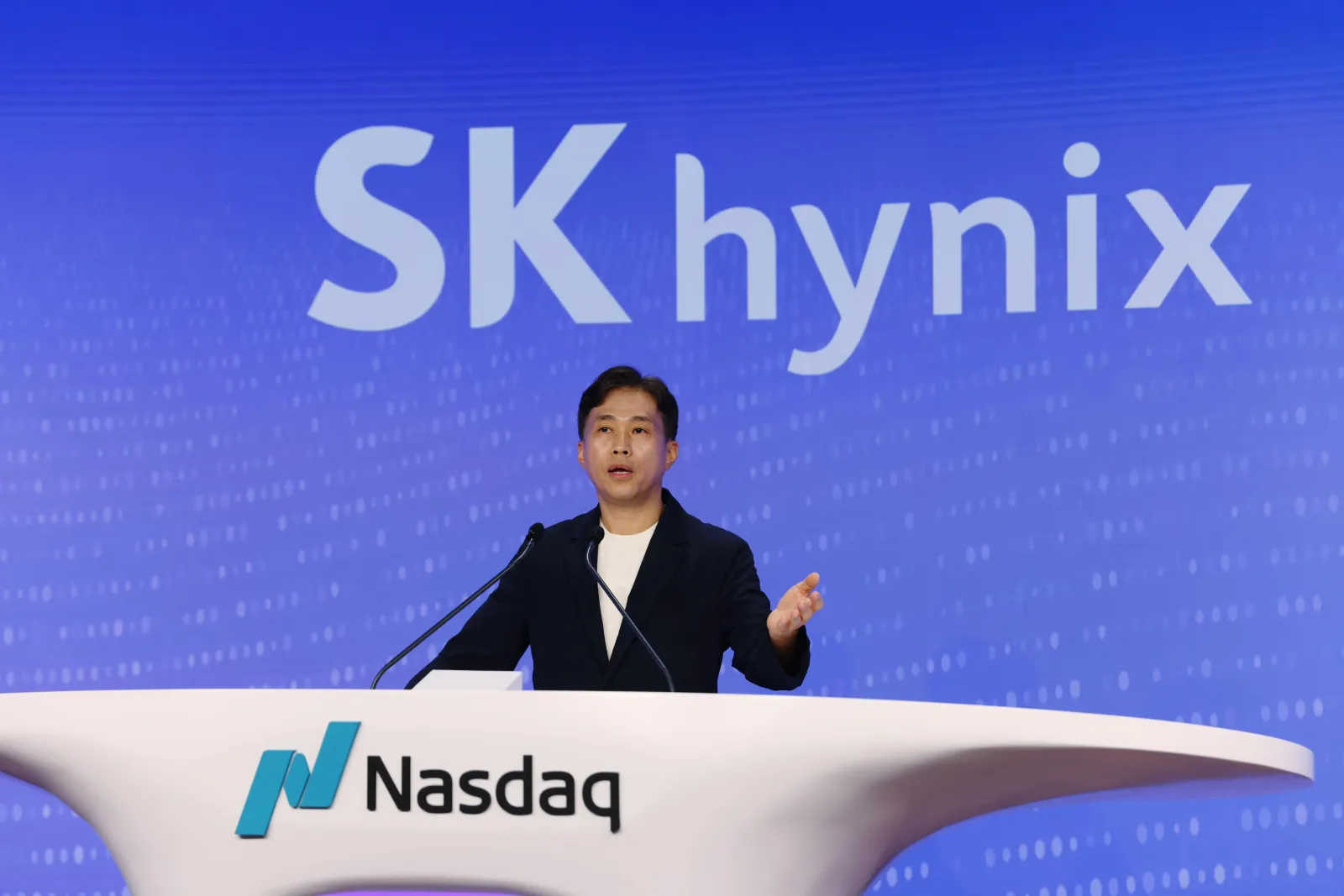
SK Hynix opens at $170, raises $26.5B, and tops foreign IPO records
In Friday's Wall Street debut, SK Hynix turns AI RAM demand into a $26.5B fundraising moment that rewrites comps.