

Apple may skip M6 Pro, Max, Ultra, pushing top Macs to 2027 for M7 Pro/Max
Bloomberg’s Mark Gurman says Apple will base M6 first, then fast-track M7, leaving the top tier waiting.
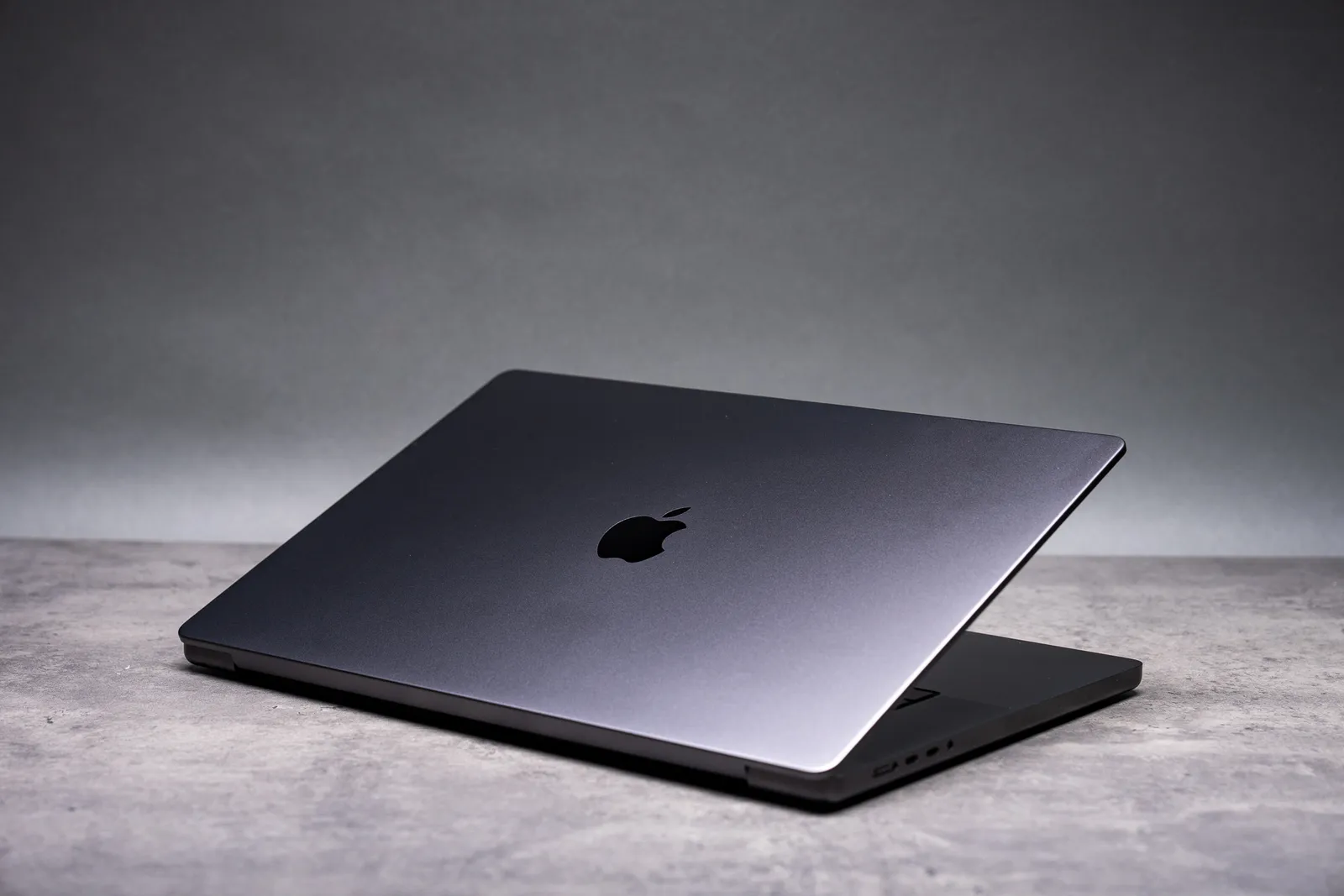
Mark Gurman at Bloomberg reports Apple plans to skip the M6 Pro, Max, and Ultra variants and instead jump to an M7 lineup. The move shifts Apple’s most powerful Mac silicon timeline into 2027, changing upgrade cycles and competitive pressure.
Apple is reportedly skipping the M6 Pro, Max, and Ultra variants, and that means the most powerful Macs may not arrive on the usual schedule. Bloomberg’s Mark Gurman reports Apple will instead “fast-track technologies that it originally planned to release later,” with the M7 chip lineup launching next year. In the near term, Apple is expected to release only a base model M6 chip “as early as this year.” Then the base M7 chip is set to launch sometime in the first half of 2027.
That is the calendar whiplash: after a base M6 release “as early as this year,” buyers who want maximum performance could be waiting until at least “as early as the end of 2027” for the M7 Pro and M7 Max. In other words, Apple’s top-tier processor variants appear delayed relative to what “its usual Mac silicon release strategy” has trained customers and partners to expect.
For decision-makers inside Apple and across the Mac ecosystem, the immediate question is not just “what chip comes next.” It is what happens to the upgrade demand curve when the most premium options move from the expected cycle into a later one. If your workstation-class workloads, creator pipelines, or enterprise deployment plans were built around the idea that Pro and Max variants typically follow the base tier, this schedule change forces a re-timing of budgets and procurement.
This also matters for partners who build and sell around Apple hardware capabilities. Even without getting into unverified performance claims, the structure of Apple’s silicon releases sets expectations for software vendors. When Pro, Max, and Ultra variants are missing from a generation and the lineup instead prioritizes base and then base-plus-later, developers and ISVs tend to align testing, optimization, and support timelines to the hardware availability that customers can actually buy.
There is another layer here: Apple’s incentives to “fast-track” can be read as a strategy move rather than a production mishap. Gurman’s reporting frames the change as Apple accelerating technologies it previously planned for later. If accurate, that implies Apple is reallocating internal roadmap priorities toward the M7 family and away from the M6 Pro, Max, and Ultra variants. That kind of shift can compress certain engineering validation cycles, but it also signals Apple may believe the payoff of getting to M7 sooner is worth the risk of leaving the top Mac buyer pool waiting.
Boards and leadership teams at companies that depend on Apple platform timelines should also think in competitive terms. Apple does not just compete on specs, it competes on the rhythm of refreshes that influence buying decisions and system refresh planning. A gap in the Pro and Max variants can create an opening for alternatives in the market, especially for customers who treat “waiting for the best option” as a cost they cannot afford. At the same time, Apple can reduce uncertainty for mainstream buyers by offering a base M6 “as early as this year,” which keeps momentum while the high-end variants land later.
This is also a procurement story with regulatory overtones, even when regulators are not mentioned in the reporting. In many enterprise environments, device refresh cycles are tightly managed due to compliance, security baselines, app certification, and lifecycle support commitments. When the most capable configurations are pushed toward “as early as the end of 2027,” enterprise buyers may be forced to either extend older systems longer than planned or approve interim configurations that are not the top tier. That can ripple into managed services, device management contracts, and forecasting for PC and Mac channels.
So the strategic stakes are straightforward for any exec watching platform risk and timing. Apple’s reported decision to skip M6 Pro, Max, and Ultra in favor of an M7 push, with base M6 “as early as this year,” base M7 in the first half of 2027, and M7 Pro and M7 Max “as early as the end of 2027,” is a reminder that the “next generation” is not always one clean step forward. Sometimes it is a trade: maintain adoption now with base silicon, then concentrate the excitement later with the Pro-tier M7 lineup. For founders, investors, and operators who plan around hardware roadmaps, the actionable takeaway is to treat timeline changes like this as demand-moving events, not background noise.
This story's Key Insights and Take-aways are locked.
Create a free account to unlock Executive Actions for one credit.
Register to UnlockAlways free for Executives Club members. Join the Club
More in Entertainment

Russell Brand's accuser 'bewildered and confused' as he denies 7 sex charges
The criminal case against the comedian is a live test of how media companies manage talent risk when serious allegations go public.

'It's a Magic Trick': Ballet Experts Say Rosalía's SNL Pose Is Impossible
Three ballet experts tell Rolling Stone Rosalía's gravity-defying SNL stillness shouldn't be possible - and why the debate is now part of the show.

Activision CMO: GTA 6 Will Boost Call of Duty, Not Bury It
Activision's top marketer says Rockstar's blockbuster will drive players back to consoles and into Modern Warfare 4, even as the company admits its recent strategy failed.