

Apple raised RAM-era prices: $599 MacBook Neo becomes $699, across Macs and iPads
When Apple, the supply-chain heavyweight, lifts prices across nearly all lines, the RAM crisis stops being theoretical.
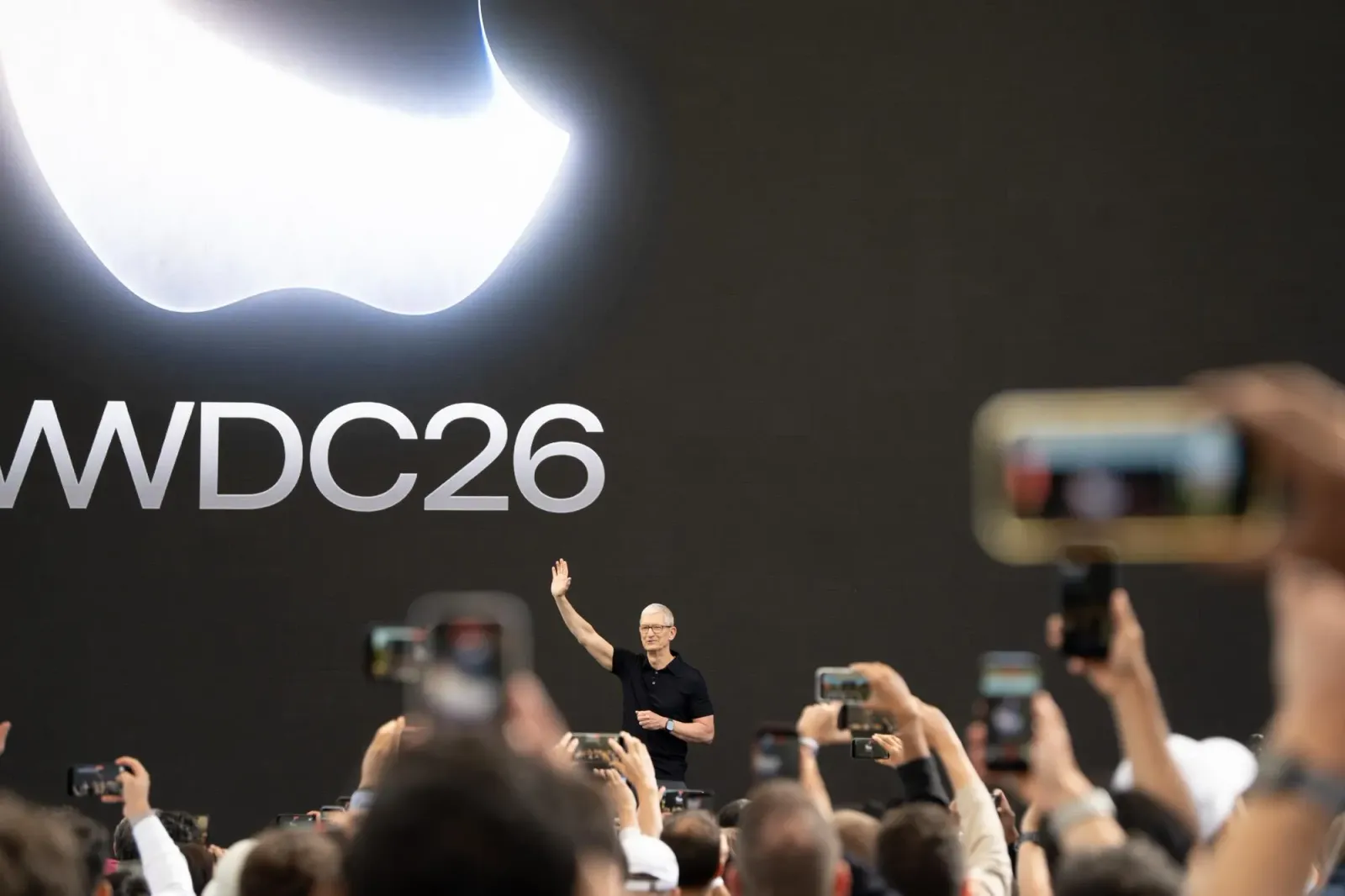
Apple increased pricing across Macs, iPads, HomePods, and even the Vision Pro, with prices jumping hundreds of dollars in many cases. For decision-makers, it signals that the RAM crisis has crossed into the commercial reality of budgeting, pricing, and forecasting.
Apple pricing just served as a loud reality check for the RAM crisis, and even Tim Cook could not out-supply-chain it. The Verge reports that Apple increased pricing across nearly all of its product lines, including Macs, iPads, HomePods, and even the Vision Pro, with prices jumping hundreds of dollars in many cases. In other words: when Apple raises prices across the board, it is usually because it cannot find a workaround inside the supply chain.
The clearest data point from the report is the MacBook Neo. Its key feature is a $599 starting price, and that starting price is now $699, a $100 jump. Apple also raised pricing in cases “hundreds of dollars,” which is the kind of range that usually means the issue is not just an isolated component cost. It suggests a broader, persistent squeeze that shows up in multiple configurations and SKUs.
For executives, this matters because Apple is the “reverse canary in the coal mine.” That analogy is doing real work here. Apple’s buying volume and famously generous margins let it absorb supply-side shocks in ways that smaller consumer tech companies often cannot. Apple can sometimes ride out price fluctuations long enough to avoid immediate sticker shock. So when the company finally moves, the message is not subtle. The underlying cost pressure is large enough, and sticky enough, that even a company designed to buffer volatility starts passing it through.
This is the part of the story that impacts planning teams immediately. Pricing changes on hardware are not just marketing events. They flow into revenue forecasts, take-rate assumptions, channel inventory math, and even product mix strategy. A $100 jump in a starting configuration, plus additional increases across other lines, can shift demand curves quickly, especially for buyers who are price-sensitive or are comparing Apple to competitors with different cost structures. For CFOs and boards, it also complicates scenario planning. If the cost shock is RAM-linked but shows up across Macs, iPads, HomePods, and Vision Pro, then the risk is not just “components get more expensive.” The risk is that the ecosystem of devices and supply constraints forces price increases into a widening surface area.
There is also a capital and competitive angle. Apple’s scale means it can negotiate and secure supply better than most firms, but it cannot always eliminate shortages or cost surges. Supply contracts, allocation limits, and upstream constraints can still bite. Even if Apple can secure more units, it may have to pay higher rates, or accept slower substitution, or deal with the realities of qualification and manufacturing ramp timelines. The result is what the Verge report captures: Apple eventually stops absorbing and starts charging.
The Vision Pro detail is especially telling. It indicates that the pressure is not confined to mainstream categories alone. HomePods and iPads typically have different supply-chain profiles than a flagship mixed-reality device, yet the pricing action spans both. That breadth can be interpreted as a sign that the crisis is upstream and systemic rather than localized to one product’s bill of materials. In practical terms, if you are managing other hardware businesses that depend on DRAM and related memory-intensive components, you should treat this as a signal that the bottleneck is not contained to a single team or vendor. It can show up across multiple device platforms, and it can require broad commercial response.
Regulatory background and governance also matter here, even if this specific report is focused on pricing moves. Price increases across consumer electronics can attract scrutiny depending on how they are framed and the justifications offered, especially when shortages, trade barriers, or component supply disruptions are involved. Boards and executive teams should assume that the narrative will be evaluated: customers want to know why, competitors will try to position themselves, and regulators can look at whether a company is using constraints as cover or whether costs are genuinely rising. In this case, the Verge framing directly ties the movement to the RAM crisis, and it uses Apple’s pricing behavior as evidence that the cost pressure is real.
There is one more decision-maker takeaway: pacing. The report says the iPhone “appears to be safe for now,” which implies the pricing action is not uniform across everything Apple sells. That creates both an opportunity and a risk. The opportunity is that product lines not yet affected might preserve demand while Apple manages the shock elsewhere. The risk is that “safe for now” can turn into “not safe” once the remaining parts of the supply problem propagate. If you are an operator at a peer company, you should read Apple’s partial stability as a timing problem, not a dismissal of the underlying issue. When Apple eventually has to move, it tends to move with confidence and across major categories.
So the strategic stake is simple: Apple raised prices across Macs, iPads, HomePods, and the Vision Pro, including pushing the MacBook Neo from $599 to $699. That is a quantitative signal that cost pressure can reach the executive level even in the most buffered supply-chain operator in consumer tech. For leaders trying to manage margins, demand, inventory, and roadmaps simultaneously, this is a reminder that hardware economics are governed by real-world constraints, and those constraints do not care how strong your brand is.
This story's Key Insights and Take-aways are locked.
Create a free account to unlock Executive Actions for one credit.
Register to UnlockAlways free for Executives Club members. Join the Club
More in Technology

Nvidia's $89B data center quarter: the 9 companies cashing in
The AI buildout is minting fortunes beyond GPUs, and memory, cloud, and cooling suppliers are riding the same wave.

Google quietly links your phone number to every Android account on your SIM
Adding a SIM now ties your phone number to all Google accounts - and future accounts inherit it. Here's the security and privacy stakes.

Hijacker AI 'Skynet mode' runs 100,000 attack steps against exposed models
Symantec caught a criminal AI agent that borrows other models, steals data, and mines crypto; the only relief is no confirmed victims yet.