

Apple raises Mac prices by $300 amid “RAM-ageddon” memory chip shortages
The memory crunch hits consumer laptops first, then threatens Xbox, PCs, and potentially iPhones with higher costs.
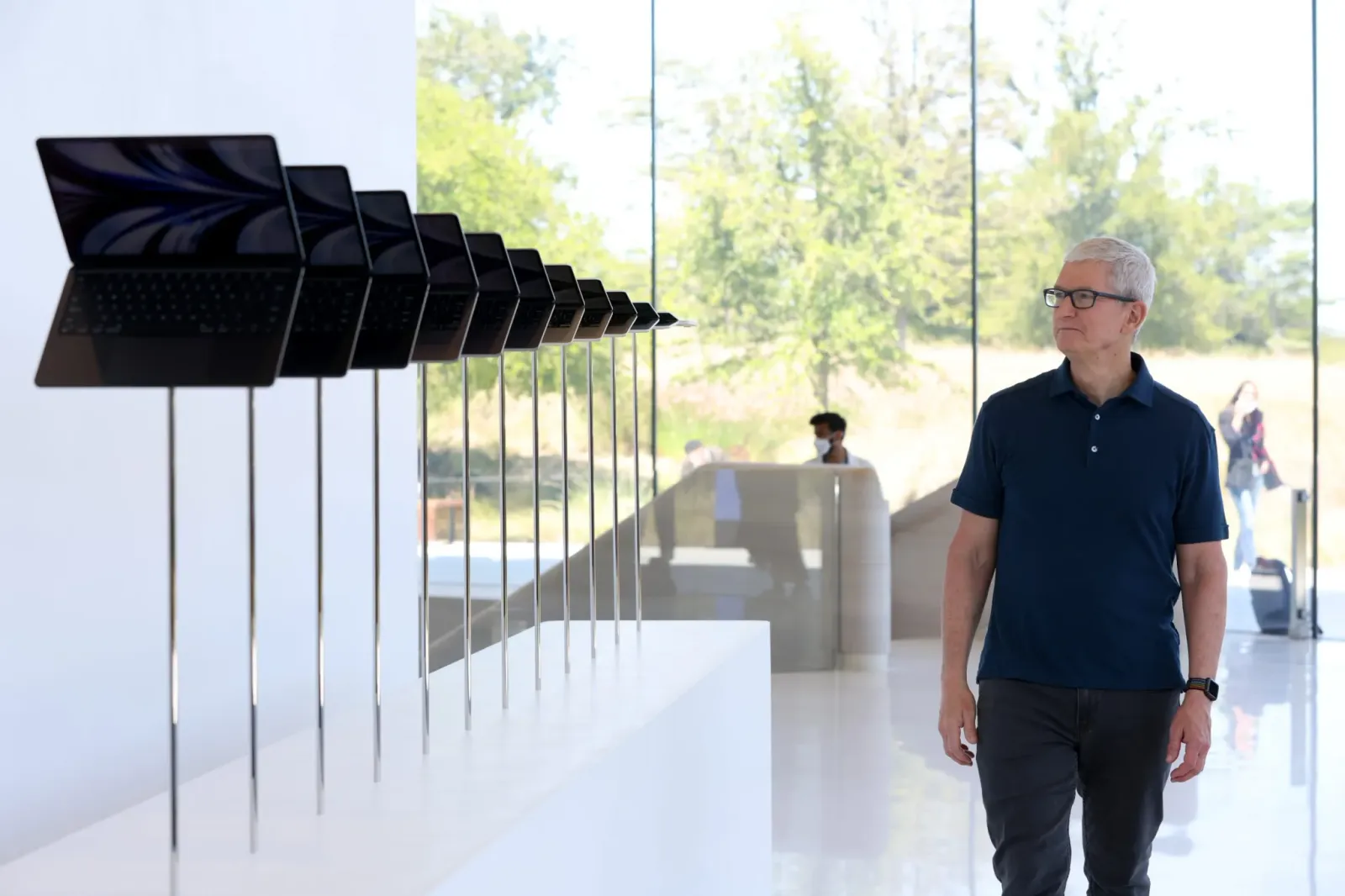
Apple raised prices on the MacBook Pro and MacBook Neo this week as a severe shortage of computer memory chips, dubbed “RAM-ageddon,” squeezed supply. For executives, it turns AI-driven data center demand into a near-term margin risk and a pricing-demand tradeoff across the entire hardware stack.
On Monday, an Apple MacBook Pro cost $1,699. By Thursday, it cost $1,999, with the higher-priced model described as exactly the same machine that sold for $300 less a few days earlier. Apple also moved its budget MacBook Neo up from $599 to $699 this past week. This is what Fortune is calling “RAM-ageddon,” a severe shortage of computer memory chips forcing gadget makers to choose between sacrificing sales or profit.
The market reaction showed this was not a small tweak. On the same day Apple unveiled the price increases, the Nasdaq slid 1.4%, reflecting investor worry about the implications of rising memory prices. Apple, known for supply chain prowess and massive purchasing power, still got hit. That matters because when a buyer like Apple cannot fully shield its product line, the rest of the industry has fewer levers left.
So what is actually driving the crunch? Fortune ties the price hikes to AI, specifically the unprecedented industry-wide build out of the data centers that power AI services. The computers inside those data centers need memory chips too, just like your laptop and smartphone do. In a simplified way, the processor is the brains of the device while memory is where data gets placed and served up to the processor, like a dinner platter holding a feast. The crunch is that there are not enough of those dinner plates to feed everyone, including cloud operators building AI infrastructure and consumer device makers that rely on memory for PCs, phones, game consoles, and even automobiles and industrial equipment.
This conflict is also more technical than a generic “chips are scarce” headline. Data centers favor high bandwidth memory (HBM), a specialized type of memory that stacks multiple chips on top of each other to achieve higher data throughput, while also reducing the supply of silicon wafers available for traditional computer memory. Deutsche Bank analysts put the core idea bluntly in a recent report: “For every wafer devoted to HBM stacks for AI servers, others are unavailable for smartphones, PCs, or vehicles.” In other words, memory production is becoming a zero-sum game, and the shortage is described as spreading into economic systems well beyond AI through memory-cost inflation.
The ripple effect is already showing up in other hardware decisions. Microsoft said it will increase the price of its Xbox game console by $100-$150 depending on the version, and it would no longer sell Xbox consoles with 2 terabytes of memory, its highest-end configuration. Fortune also notes that Dell, HP, Lenovo, and Asus have raised prices or reduced the amount of memory in their products. For executives, the message is that this is not limited to one premium laptop line. It is a cross-category reconfiguration, where the “same product” can look different in both price and memory capacity as suppliers allocate scarce supply.
The harder part is the timeline. A memory chip manufacturing facility, or fab, takes between two to three years to build and bring online. Most announced projects will not deliver supply until 2027 at the earliest, and overall supply of DRAM is expected to remain “tight” beyond 2028, according to Deutsche Bank. Jefferies, another Wall Street firm, published a note that includes a memory industry consultant forecast: prices rising 30%-40% in the fourth quarter, and an additional 40%-45% in 2027. That turns “this summer” into a multi-year planning problem, not a temporary procurement headache.
In the meantime, hardware companies are pulling levers to protect profit margins. HP finance chief Kevin Parkhill told investors during the company’s first-quarter earnings call in February that its initiatives are focused on securing supply, shaping demand and product configuration, implementing targeted cost reductions, and taking pricing actions. Fortune says those tactics helped protect HP’s profit margins that quarter. But Parkhill also said memory prices were “roughly doubling versus the prior quarter,” and HP expects operating profit in the PC business to be below its long-term range for the remainder of the year. Passing costs to consumers via higher prices can work up to a point, but the demand hit is the real risk.
That demand versus margin balancing act is where executives will feel the heat most. Holger Mueller of Constellation Research is quoted saying the challenge for consumer-focused vendors is that at some point you price yourself out of the market, and the question becomes how much of a price hike affects sales. The nuance is brutal: a $300 increase on a high-end PC aimed at professionals might not cause too much disruption, but Apple has much less room to maneuver on mass market products like the iPhone. IDC’s Nabila Popal expects Apple will soon be forced to raise iPhone prices, with her view that a hike could be higher than assumed given the iPad and Macs going as high as $300 for some models. Popal adds that by raising Mac prices first, Apple could be “mentally prepare” consumers for more expensive iPhones, effectively making a future $100 or even $200 iPhone hike feel relatively less.
For peers, the strategic stakes are straightforward. If AI data center buildouts keep pulling memory supply toward HBM stacks, consumer device makers will keep racing between procurement strategies, product configuration changes, and price increases. Apple’s move, despite its purchasing power, is the clearest signal yet that RAM-ageddon is not only a supply chain story. It is a pricing architecture story, and it is arriving in executive dashboards as margin pressure, demand uncertainty, and multi-year capacity constraints that do not care how strong your brand is.
This story's Key Insights and Take-aways are locked.
Create a free account to unlock Executive Actions for one credit.
Register to UnlockAlways free for Executives Club members. Join the Club
More in Technology

Nvidia's $89B data center quarter: the 9 companies cashing in
The AI buildout is minting fortunes beyond GPUs, and memory, cloud, and cooling suppliers are riding the same wave.

Google quietly links your phone number to every Android account on your SIM
Adding a SIM now ties your phone number to all Google accounts - and future accounts inherit it. Here's the security and privacy stakes.

Hijacker AI 'Skynet mode' runs 100,000 attack steps against exposed models
Symantec caught a criminal AI agent that borrows other models, steals data, and mines crypto; the only relief is no confirmed victims yet.