
Apple’s new Upgrade program turns smartphone ownership into a subscription question
Apple’s latest move signals how phone payments may shift, and what it changes for your device strategy.
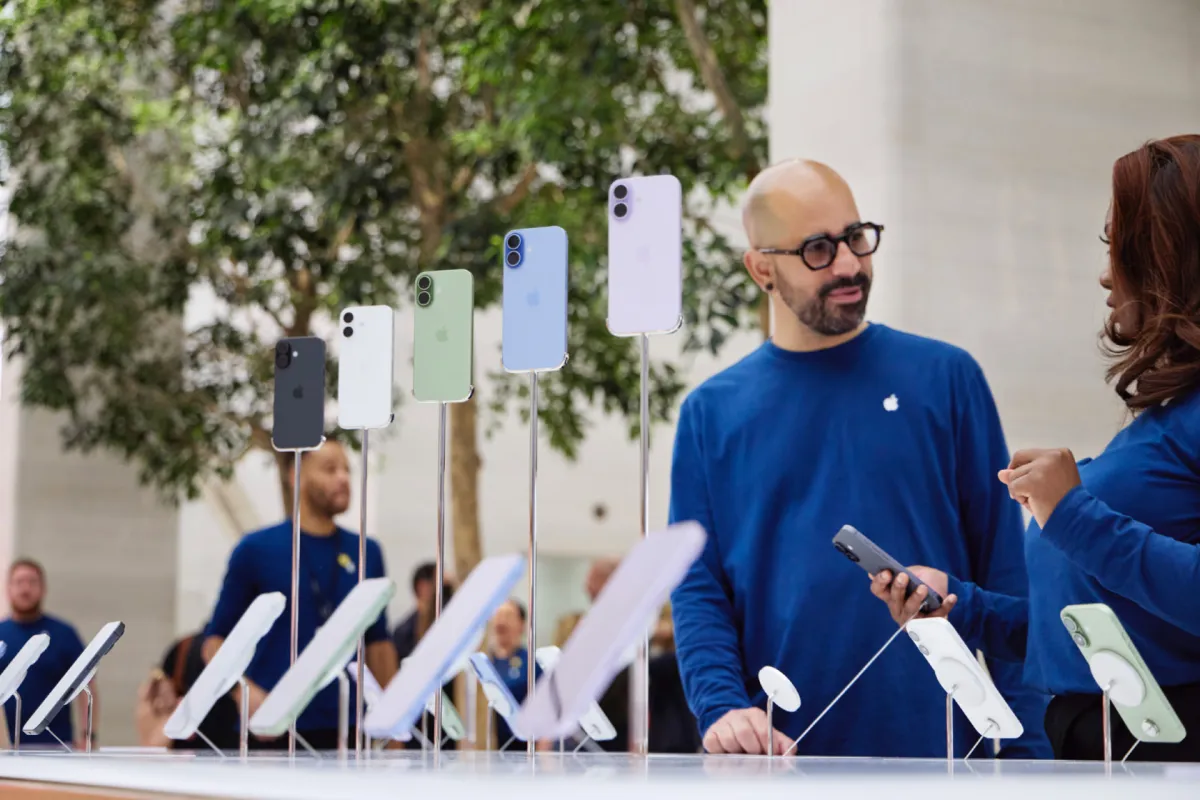
Apple introduced a new Upgrade program, adding another option that reframes smartphone ownership as a service. For decision-makers, it raises new questions about customer retention, pricing power, and how “upgrade timing” becomes a product lever.
Apple’s new Upgrade program is the clearest signal yet that smartphone ownership is shifting. Instead of treating the phone as a one-time purchase, Apple is pushing customers toward a more ongoing relationship, where the next device may feel like part of a plan.
That matters because the smartphone business has always been a mix of consumer hardware and repeat behavior. You buy a phone, you use it for a few years, then you upgrade when it stops meeting your needs or when the next model makes the current one feel outdated. Apple’s Upgrade program changes the psychological and financial math of that cycle. It can reduce the friction of “waiting until you decide” by nudging the upgrade decision into an easier, more scheduled pathway.
For executives, the big strategic question is not whether customers will still buy phones. It is whether the industry’s dominant unit economics are slowly moving from retail transactions to lifecycle management. Hardware sales still anchor the market, but subscription-like approaches aim to capture more of the value between purchase moments. If customers feel locked into a rhythm of upgrades, vendors can potentially better forecast demand and smooth revenue rather than relying on sporadic upgrade spikes.
This is also where board-level thinking gets sharper. A subscription or upgrade-style motion changes how companies measure growth. Traditional handset metrics track units shipped and average selling price at a point in time. Upgrade programs, in contrast, emphasize continuity: how long customers stay engaged, how often they transition to the next device, and how churn looks when the “product” is effectively an ongoing relationship. That can shift internal incentives. Product teams start optimizing for upgrade eligibility and cadence. Finance teams focus on cash flow timing. Legal and compliance teams may need to ensure customer terms are clear, since customers are no longer just buying a device, they are signing up for an ongoing policy about access to the next one.
There is also a regulatory backdrop executives should keep in mind, even when the immediate story looks like “just another Apple program.” Over the past several years, regulators worldwide have been scrutinizing subscription dark patterns, auto-renewal practices, and how contracts are structured. In plain English, regulators want customers to understand what they are paying for and how to exit. Upgrade programs sit adjacent to those debates because the customer’s path from current device to future device can be bundled into contract mechanics. That means transparency and user choice are not just good manners, they are risk management.
Then there is the competitive implication. Apple is signaling that it thinks the smartphone upgrade cycle can be productized. That pressures other OEMs to respond, either by designing similar upgrade journeys or by differentiating in other ways, such as trade-in incentives or financing options. Even if competitors do not copy the exact mechanics, the existence of a program that reframes upgrade timing can shift customer expectations. If customers get used to a simpler upgrade story, “waiting for the perfect moment” becomes less attractive.
So should you still buy your next smartphone, or subscribe to the idea of it instead? The honest answer the Upgrade program points toward is that the decision is becoming less binary. Ownership is still ownership, but the economics of upgrading are becoming more like a service. For leaders at tech companies, carriers, or consumer finance partners, the strategic stakes are straightforward: whoever owns the upgrade relationship can influence customer lifetime value, reduce revenue volatility, and shape the customer’s next buying decision before a competitor ever enters the conversation.
In other words, this is not only an Apple product story. It is a market structure story. The smartphone market has always been about devices. Apple is pushing it toward a lifecycle, where the upgrade program is the bridge between what customers buy today and what they will consider buying next.
This story's Key Insights and Take-aways are locked.
Create a free account to unlock Executive Actions for one credit.
Register to UnlockAlways free for Executives Club members. Join the Club
More in Technology

doubleAI's Maxwell rewrites code while it runs, claims 38x speedups
The Tel Aviv startup's code execution model formally verifies optimizations, turning AI into an agent for the hardware itself.
Saudi military official paid to fly OpenAI bugging suspect's family out, prosecutors say
A court filing says a Saudi military official funded the family's exit and Riyadh offered bail, putting foreign-influence risk squarely on AI boards.
AI researcher's 26,000-word claim: Neural nets aren't tangled after all
Nick Cammarata's Goodfire post has the AI world split - if he's right, monitoring frontier models just got a lot easier.