

Apple’s upgraded Siri AI can pull from email and set calendars, on-device for iPhone parents
The Verge test says Apple’s new Siri AI finally handles the “email flyer to calendar” job parents actually need.
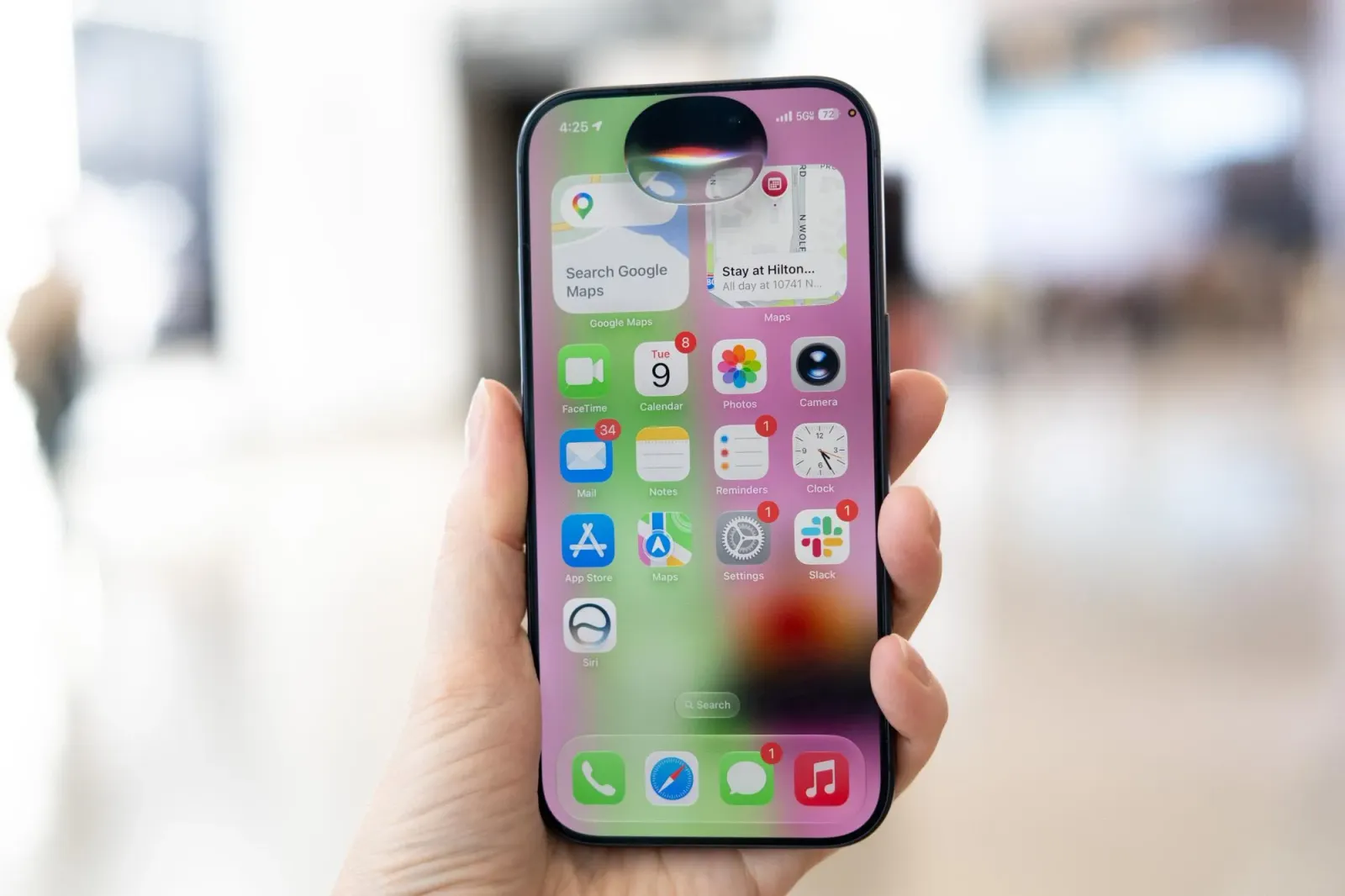
Apple is trying again with an upgraded AI-imbued Siri that can chat, build shopping lists, and set reminders using context from email and calendar. For decision-makers, it signals Apple is aiming Siri at real-world workflows, not just chatty demos.
If you have ever watched a parent wrestle with a soccer schedule or “spirit week” theme days, you know the problem is not motivation. The problem is time, formatting, and that one email attachment that somehow turns into three different calendar events if you look at it wrong. The good news, based on The Verge’s hands-on experience, is that the newly upgraded Siri AI is finally positioned to do that in one shot, using information from email and calendar.
After stumbling through its first launch of an AI-imbued Siri, Apple is trying again. This upgraded version can chat about everyday questions, put together a shopping list for the hardware store, and set a reminder to lay down compost in a flower bed. But the key detail for parents is that it can reference information in your email and calendar to make recommendations and then act on them, rather than simply answering questions.
That distinction matters more than it sounds. Most “AI assistants” have been stuck in the conversation layer. You ask. It responds. You then still have to manually translate the output into your calendar, your to-do list, or whatever system actually runs your day. In other words, you still do the boring parts. Apple’s pitch here is that Siri AI moves past the chat screen and into the workflow, pulling from existing sources like email and calendar.
For a business audience, the implication is straightforward: this is a shift from assistant-as-interface to assistant-as-operator. In consumer terms, that shows up as taking a list of soccer games or theme days and turning it into calendar events. In product terms, it means Siri is being tested on tasks where accuracy, grounding, and context all matter at once. If it pulls the wrong dates from an email or misunderstands an event, the user experience stops being “cool” and starts being “why is my kid’s event moved.”
Apple also has a very specific incentive structure here. Siri is one of those products where expectations are uniquely unforgiving because the platform is so entrenched. People do not just try Siri. They rely on it. So the bar is different from, say, a brand-new app where you can iterate in public without breaking daily habits. The Verge’s framing that Apple is “trying again” after its first launch suggests Apple sees the early rollout as a draft, not the finished manuscript.
There is also an ecosystem angle. When Siri can reference information in your email and calendar, it is no longer operating as a standalone chatbot. It is acting inside the system of record for a user’s life. That raises the value of Apple’s platform compared to assistants that operate more like read-only responders. If an assistant can’t transform your incoming communications into structured actions, it will always feel like a companion. If it can, it starts acting like infrastructure.
For boards and investors, this kind of functional upgrade has second-order effects. First, it tends to increase perceived stickiness. If Siri becomes the fastest path from “messy real-world inputs” to “organized outcomes,” users have less reason to churn. Second, it puts pressure on competitors that rely on general-purpose chat. When users measure assistants by whether they can get calendar updates done without manual cleanup, the winning feature set is less about eloquence and more about reliable task completion.
Regulatory and privacy framing, while not spelled out in detail in The Verge excerpt, is the subtext for any assistant that touches email and personal schedules. Actions that use personal data bring heightened scrutiny across jurisdictions, especially as regulators watch how AI systems handle consent, transparency, and data use. Apple, as a platform company, has to balance capability with user trust. The fact that The Verge’s story focuses on Siri’s ability to reference existing email and calendar content hints at Apple’s attempt to deliver usefulness without forcing users into completely new data workflows.
So the strategic stake is bigger than “parents get calendars right.” It is a signal about where Apple wants Siri AI to land: inside daily operations, not just as a futuristic novelty. If Apple can make Siri reliably handle the unglamorous tasks people actually perform every week, it could reshape expectations for what an assistant should do. And if it does not, then the next round of AI assistant hype will face the same question from every family organizer and every overbooked schedule: can it take the chaos and turn it into calendar reality?
This story's Key Insights and Take-aways are locked.
Create a free account to unlock Executive Actions for one credit.
Register to UnlockAlways free for Executives Club members. Join the Club
More in Technology

OpenAI says 10,000 agents cracked a 90-year math problem in 88 hours
The company's claim is audacious, but one mathematician is pushing back. Here's what it means for AI-driven discovery.

Meta still serves child sexual abuse ads on Instagram in India - BBC report
A new report following the BBC Eye investigation says the ads are still there - what it signals for every platform with a self-serve ad engine.

White House yanks 'Build the Wall' game after Tetris Company copyright warning
The administration's arcade game vanished in hours - and the takedown playbook every brand can learn from.