
Art Directors Guild blasts Scorsese over Black Forest Labs AI deal
Hollywood’s Art Directors Guild says Martin Scorsese’s AI partnership rejects the human artists behind his most memorable work.
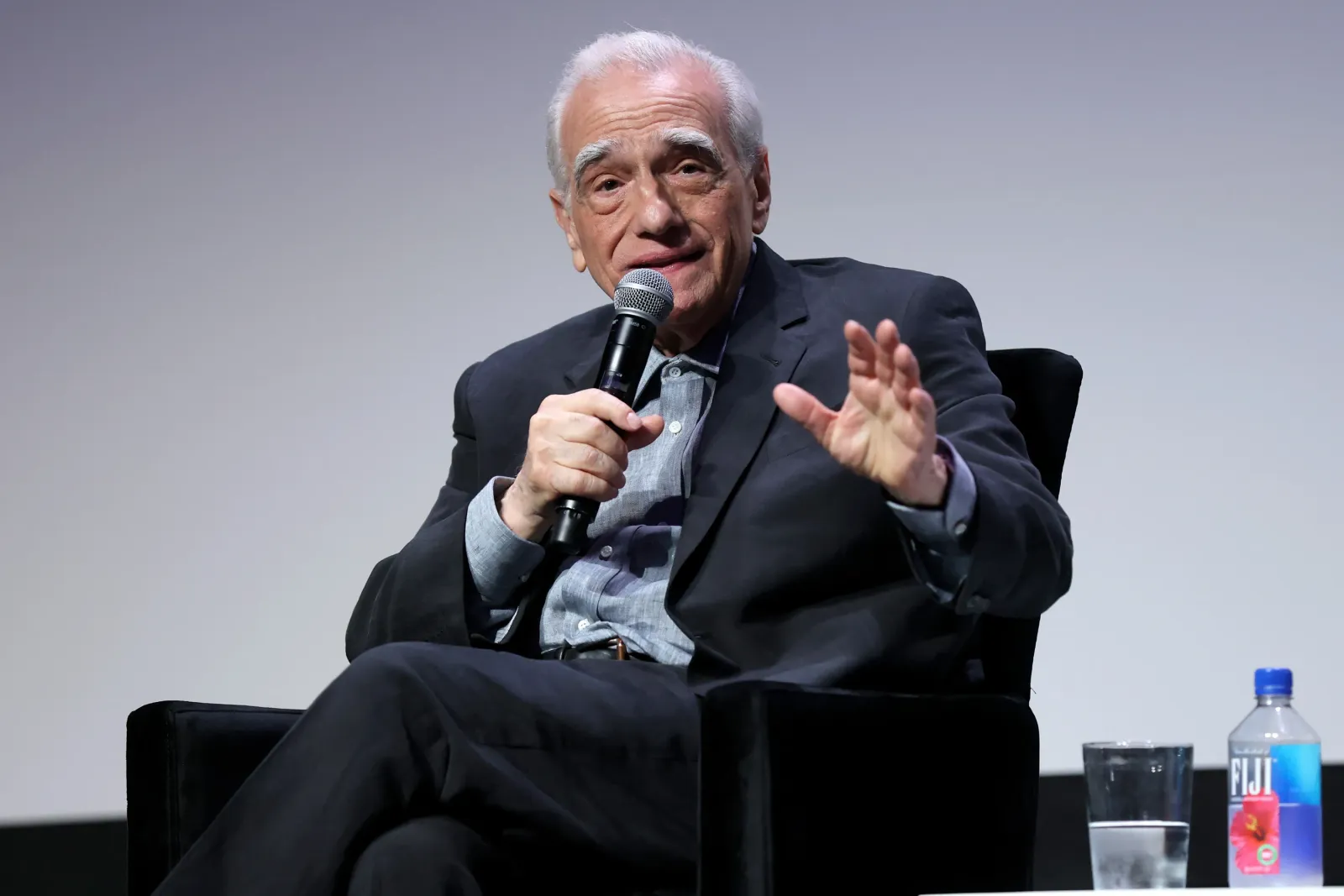
The Art Directors Guild released a statement condemning Martin Scorsese’s partnership with AI startup Black Forest Labs. The guild accuses Scorsese of “turning his back on the human artists” who helped create his most memorable works.
On Tuesday, the Art Directors Guild turned its spotlight directly onto Martin Scorsese. The organization published a social media statement criticizing Scorsese’s recent partnership with AI startup Black Forest Labs, framing it as a betrayal of the human creative workforce that has supported his career.
In the statement, the guild accused Scorsese of “turning his back on the human artists who throughout his career have helped him create his most memorable works.” That is the headline-level conflict here, and it matters because it comes from one of Hollywood’s most recognizable guild voices. This is not a vague debate about “the future of content.” It is a direct callout aimed at a celebrated director, and it signals that Hollywood’s craft organizations are not waiting passively for AI to arrive. They are making it personal, publicly, and immediately.
To understand why this is getting so much attention, zoom out one layer to how these partnerships typically work. AI startups like Black Forest Labs pitch innovation: new workflows, faster iteration, and tools that can generate or transform visual content. For a high-profile filmmaker, partnering with an AI company can look like staying ahead of the curve, reducing friction, and exploring new creative possibilities.
But from the guild’s perspective, the promise of speed and experimentation collides with a different reality: art direction is labor, taste, and authorship shaped by people. The Art Directors Guild’s language is essentially an ownership argument. When the guild says Scorsese is turning his back on the human artists, it is drawing a line between automation as assistance versus automation as replacement, and it is warning that the cultural and economic value of human craft does not disappear just because the output can be generated with machines.
This matters for decision-makers because public statements like this can quickly affect more than reputation. Guilds sit at the intersection of labor, production standards, and professional legitimacy. Even when no formal rule changes are announced in a story like this, the second-order impact can show up in negotiations, in how creatives decide whether to participate, and in how studios and partners assess reputational risk when they attach famous names to new technology.
There is also a regulatory and compliance backdrop, even if Tuesday’s statement does not cite new laws. Across jurisdictions, regulators and courts have been circling questions like: what rights do artists have over training data, what disclosure is required when AI is used, and what liability follows if AI content infringes or misleads. When a prestigious figure like Scorsese aligns with an AI startup, the conversation tends to shift from “Is this technically possible?” to “What does this mean for rights, consent, transparency, and labor?” That is where guild statements gain leverage. They are part of the narrative that eventually informs policy pressure and industry standards.
Now connect this to incentives. For investors and boards considering partnerships with generative AI companies, the upside is clear: differentiation, faster product cycles, and potential media and entertainment distribution channels. The downside is also becoming clearer: if leading cultural figures are perceived as dismissive of the human creative base, it can narrow the social license for adoption. That can slow partnerships, complicate integration with established production pipelines, and raise the cost of “trust building” across stakeholders.
For executives inside media companies and creative tech teams, the takeaway is not that AI is inherently controversial. It is that craft institutions are signaling they will actively police the meaning of these collaborations. The guild is not simply complaining about technology. It is criticizing Scorsese’s decision to partner with Black Forest Labs, and it is doing so in the strongest terms available: “turning his back” on the human artists who helped create his most memorable works.
Strategically, this sets up a broader reckoning for peers in the entertainment ecosystem. When AI partnerships become headline business, the reputational and labor dimensions stop being PR extras and start behaving like operational constraints. If you are a studio executive, a board member, or a founder building in this space, the question is no longer whether AI can generate images or assist workflows. It is whether your partnerships can earn credibility from the people who actually do the work, represent the labor, and influence the industry’s norms.
This story's Key Insights and Take-aways are locked.
Create a free account to unlock Executive Actions for one credit.
Register to UnlockAlways free for Executives Club members. Join the Club
More in Technology

OpenAI says 10,000 agents cracked a 90-year math problem in 88 hours
The company's claim is audacious, but one mathematician is pushing back. Here's what it means for AI-driven discovery.
Meta still serves child sexual abuse ads on Instagram in India - BBC report
A new report following the BBC Eye investigation says the ads are still there - what it signals for every platform with a self-serve ad engine.
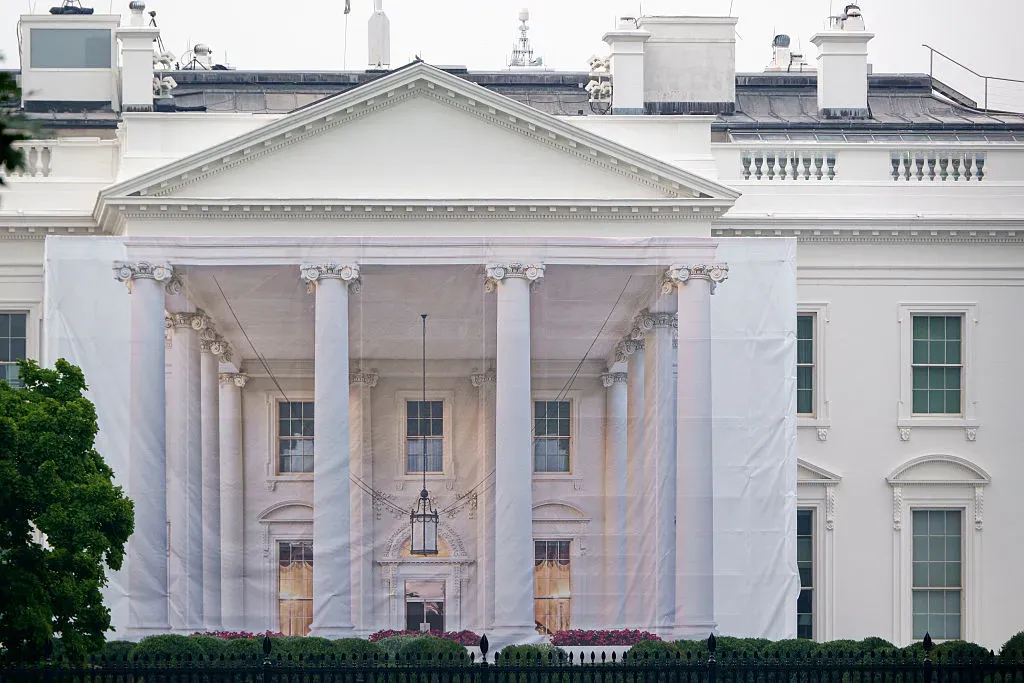
White House yanks 'Build the Wall' game after Tetris Company copyright warning
The administration's arcade game vanished in hours - and the takedown playbook every brand can learn from.