

Apple sues OpenAI for trade secrets, pulling in 400+ ex-Apple employees
The lawsuit signals risk for OpenAI’s IPO timeline and forces boards to think like legal teams, not just growth teams.

Apple filed a trade secrets lawsuit against OpenAI last Friday, alleging misconduct that reaches OpenAI’s chief hardware officer and citing more than 400 former Apple employees now at the company. For decision-makers, the consequence is straightforward: IPO planning now has a legal tail-risk problem, not just a fundraising one.
Apple filed a trade secrets lawsuit against OpenAI last Friday, and the complaint is broad in a way that matters for IPO math. According to the allegations, the misconduct pattern reaches all the way up to OpenAI’s chief hardware officer. Apple also claims more than 400 former Apple employees now work at OpenAI, tying the dispute to talent movement and potential technology leakage.
This is not a “wait and see” type of dispute. In plain English, a trade secrets case is about access: what someone may have known, what may have been copied, and whether the receiving company gained an unfair advantage. For OpenAI, that means IPO readiness is suddenly entangled with litigation exposure that can show up in filings, diligence requests, and investor risk models. The timing is also ugly. TechCrunch reports OpenAI is reportedly eyeing an IPO, and lawsuits like this tend to make capital markets impatient.
OpenAI’s response so far has been carefully hedged, which is exactly what companies usually do when they face allegations they want to contest without accidentally conceding facts. But “hedged” also means the market does not get clear resolution yet. In the early innings of litigation, that ambiguity is where boards get nervous, because it creates uncertainty around timelines, document production, and whether new facts will surface as cases develop. Even if OpenAI believes the claims are wrong, executives still have to plan for the possibility that legal discovery turns up details that could affect how customers, partners, and regulators view the company’s conduct.
The employee-count allegation is its own red flag for governance. When a complaint claims that more than 400 former Apple employees now work at OpenAI, it is effectively arguing there is a channel for knowledge transfer at scale. Even if those employees never touched anything they should not have, the mere existence of a large talent overlap can trigger questions about access controls, onboarding processes, and compliance systems. Boards typically treat those questions as urgent because they affect more than one business line. They can impact product development speed, partnerships, and whether a company can confidently tell investors, “Here is how we prevent misuse of proprietary information.”
There is also a structural incentive problem here. Apple has every reason to defend proprietary processes and internal know-how, especially in a competition where AI workloads depend heavily on hardware choices, chip design, supply-chain decisions, and low-level performance engineering. OpenAI, meanwhile, has incentives to move fast on deployments and infrastructure. That speed can collide with strict internal controls, especially in an ecosystem where talent frequently crosses company lines. Trade secrets disputes frequently turn on the boundary between general know-how and protectable information. When Apple alleges a pattern reaching up to OpenAI’s chief hardware officer, it signals Apple believes the boundary was crossed in a way that went beyond routine industry learning.
For IPO-bound companies, the second-order impact is brutal: litigation becomes a disclosure and diligence magnet. An IPO process involves heavy scrutiny of risk factors, compliance history, and material contracts. If litigation is active, investors and underwriters usually want detailed clarity on scope, exposure, and potential remedies. Even if damages are not yet determined, the process itself can delay everything from roadshows to filing updates. And if the complaint forces OpenAI to expand internal investigations or revise governance controls, that can consume executive bandwidth that might otherwise go to product and business scaling.
Peers in the AI and infrastructure stack should treat this as a warning shot. The story is not just “Apple sued OpenAI.” It is that a trade secrets allegation can travel into the capital markets gate. If regulators or investors start viewing talent mobility and AI infrastructure knowledge transfer as an IPO risk category, it changes how boards prepare. That means more legal staffing, tighter compliance processes, and earlier documentation audits, long before a company is ready to ring the IPO bell.
In the end, OpenAI’s hedged response is understandable, but the case has already introduced a fresh uncertainty into an IPO timeline that is reportedly already on the horizon. For decision-makers, the strategic stake is simple: capital markets reward clarity, and litigation rarely provides it quickly.
This story's Key Insights and Take-aways are locked.
Create a free account to unlock Executive Actions for one credit.
Register to UnlockAlways free for Executives Club members. Join the Club
More in Business

Uber buys Delivery Hero for nearly $15B, vaulting to top food delivery outside China
The deal doubles Uber's dual-services footprint and pushes a ride-and-eats bundling play into 50 more markets.

Epic and Google drop settlement bid, forcing rival Android app stores by July 22
Google told the court it is ready to carry third-party app stores starting Wednesday, July 22.
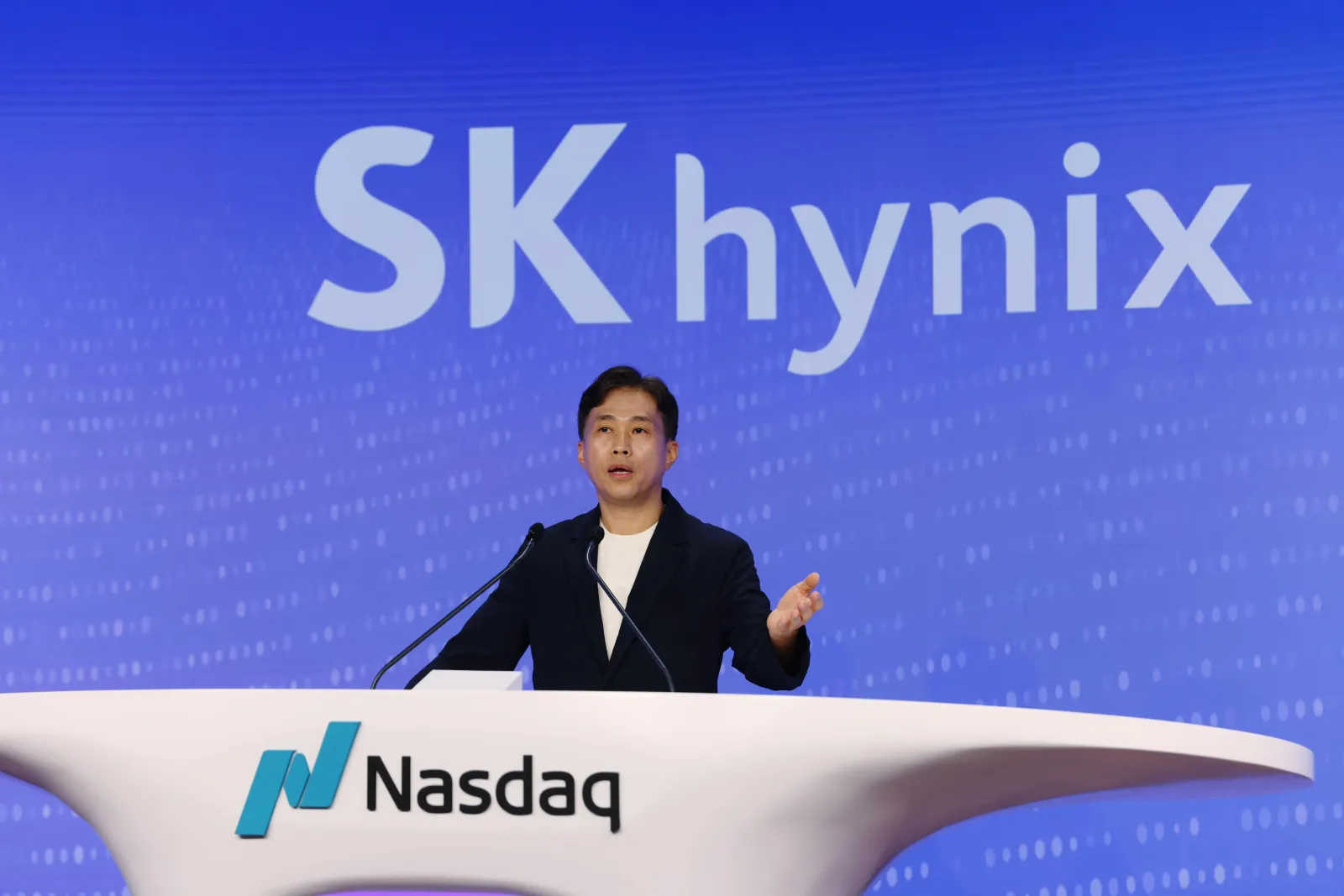
SK Hynix opens at $170, raises $26.5B, and tops foreign IPO records
In Friday's Wall Street debut, SK Hynix turns AI RAM demand into a $26.5B fundraising moment that rewrites comps.