
Apple turns revamped Siri into the iPhone backbone, available in iOS 27 public beta
The new Siri is no longer “just” a voice assistant, it's getting baked into daily iPhone workflows now.
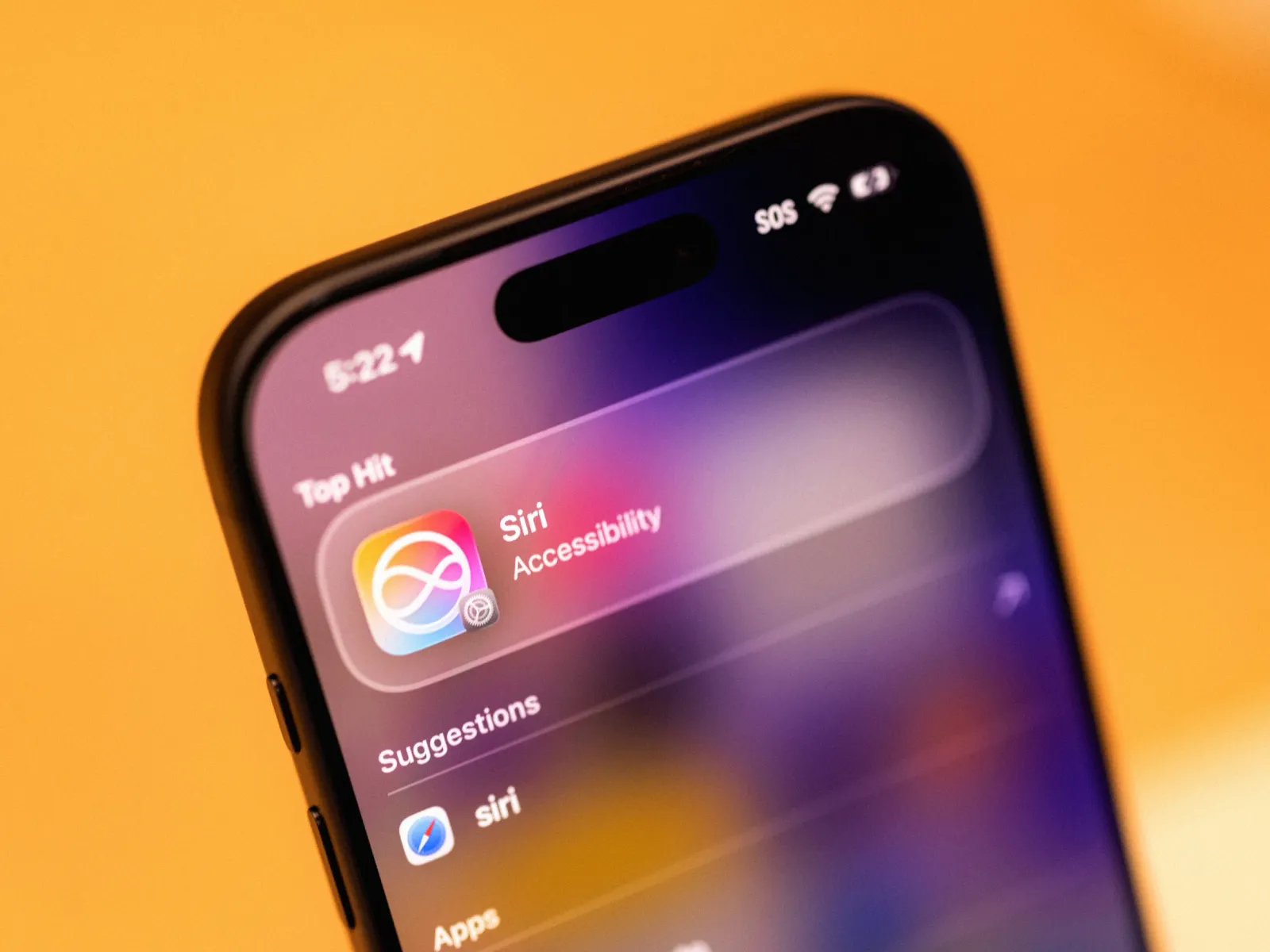
Apple has revamped Siri and is positioning it as the backbone of the iPhone user experience. You can try the changes through the iOS 27 public beta.
Apple’s revamped Siri is stepping out of the “voice assistant” box and into something much bigger: it is becoming the backbone of the iPhone user experience. And you can test it now via the iOS 27 public beta.
That matters because when Apple changes what Siri can do, it is not merely improving a feature. It is potentially reshaping how users navigate their phones day to day, how apps respond to commands, and how people decide whether to trust an interface that sits between them and their device. In other words, this is not a side quest. It is Apple trying to make Siri the default way users get things done.
To understand why this is a big deal, you have to remember what Apple is optimizing for. Apple does not win by being the most experimental. It wins by being the most integrated. So if Siri is “the backbone,” that suggests Apple is treating the assistant as core infrastructure, not a bolt-on. That shift changes the incentives inside the company too: investments that would normally be categorized as “assistant improvements” can become platform bets, with bigger budgets, tighter product timelines, and a higher bar for reliability.
It also lines up with how modern assistants increasingly work across the tech stack. Voice is often the front door, but the real product is the workflow behind it. When an assistant becomes central, it has to coordinate with system behavior, notifications, search, permissions, and app experiences. That is how you move from “Sure, here is what you asked for” to “I just made your phone do the next step.” The source does not list every capability in detail, but it does make the core claim: Apple’s revamped Siri is more than a voice assistant.
There is another reason decision-makers should pay attention, even if you do not build consumer hardware: regulation and platform governance are pushing the industry toward interfaces that control discovery. Over the last several years, regulators around the world have spent real time on app store rules, default settings, and gatekeeping behavior. While this story is specifically about Siri, the strategic question is broader. When Siri becomes central, it can influence what users see first, how they search, and how they initiate actions. That kind of centrality is exactly what tends to draw scrutiny when it concentrates power in a platform’s hands.
Now add the iOS 27 public beta into the picture. Apple is letting people try the new Siri before a full rollout, which is how you surface bugs early and guide user expectations. For executives, betas are also signals. They can indicate what Apple considers stable enough for broad testing and what Apple expects users to start adopting. If Siri is headed toward “backbone” status, Apple needs it to feel normal fast. A public beta is one way to pressure-test that reality with real usage, not just internal QA.
For partners and competitors, the second-order implications are straightforward. If Siri becomes the default backbone of iPhone experience, then companies building apps will have to think harder about how their products fit into the assistant-driven workflow. Even if you are not directly changing your own AI, you are still affected by how the system interacts with users. The assistant becomes a control point for intent, timing, and interaction. That can shift user behavior away from traditional navigation patterns and toward command-driven ones.
Meanwhile, for peers who are watching Apple, this is also a competitive reference point. Many companies have tried to make assistants feel magical. Apple is trying to make it feel necessary. The difference is distribution and integration: Apple owns the operating system layer, and it can route user attention through Siri if it chooses. A revamped Siri that is positioned as the backbone is Apple making a high-stakes bet on where engagement should start.
So the strategic stake for decision-makers is simple: if Siri is becoming the backbone, then it is becoming a platform surface area. That surface area will shape user journeys, influence what kinds of experiences win, and potentially become a regulatory talking point depending on how it affects third-party access and user choice. The iOS 27 public beta gives you an early chance to see what Apple is turning Siri into. The question now is whether the industry treats this as a feature update, or as a shift in the operating system’s relationship with human intent.
This story's Key Insights and Take-aways are locked.
Create a free account to unlock Executive Actions for one credit.
Register to UnlockAlways free for Executives Club members. Join the Club
More in Technology

Google quietly links your phone number to every Android account on your SIM
Adding a SIM now ties your phone number to all Google accounts - and future accounts inherit it. Here's the security and privacy stakes.

Hijacker AI 'Skynet mode' runs 100,000 attack steps against exposed models
Symantec caught a criminal AI agent that borrows other models, steals data, and mines crypto; the only relief is no confirmed victims yet.

Nvidia's AI-financier shift faces its first big test as neoclouds stumble
A rout in neocloud stocks is forcing investors to weigh Nvidia's hidden exposure as both supplier and lender to the AI buildout.