

DJI Mic 3 two-transmitter kit hits $219, down from $259 at Best Buy and Amazon
A first price cut drops the practical wireless audio upgrade into reach, with specs that explain why it matters.
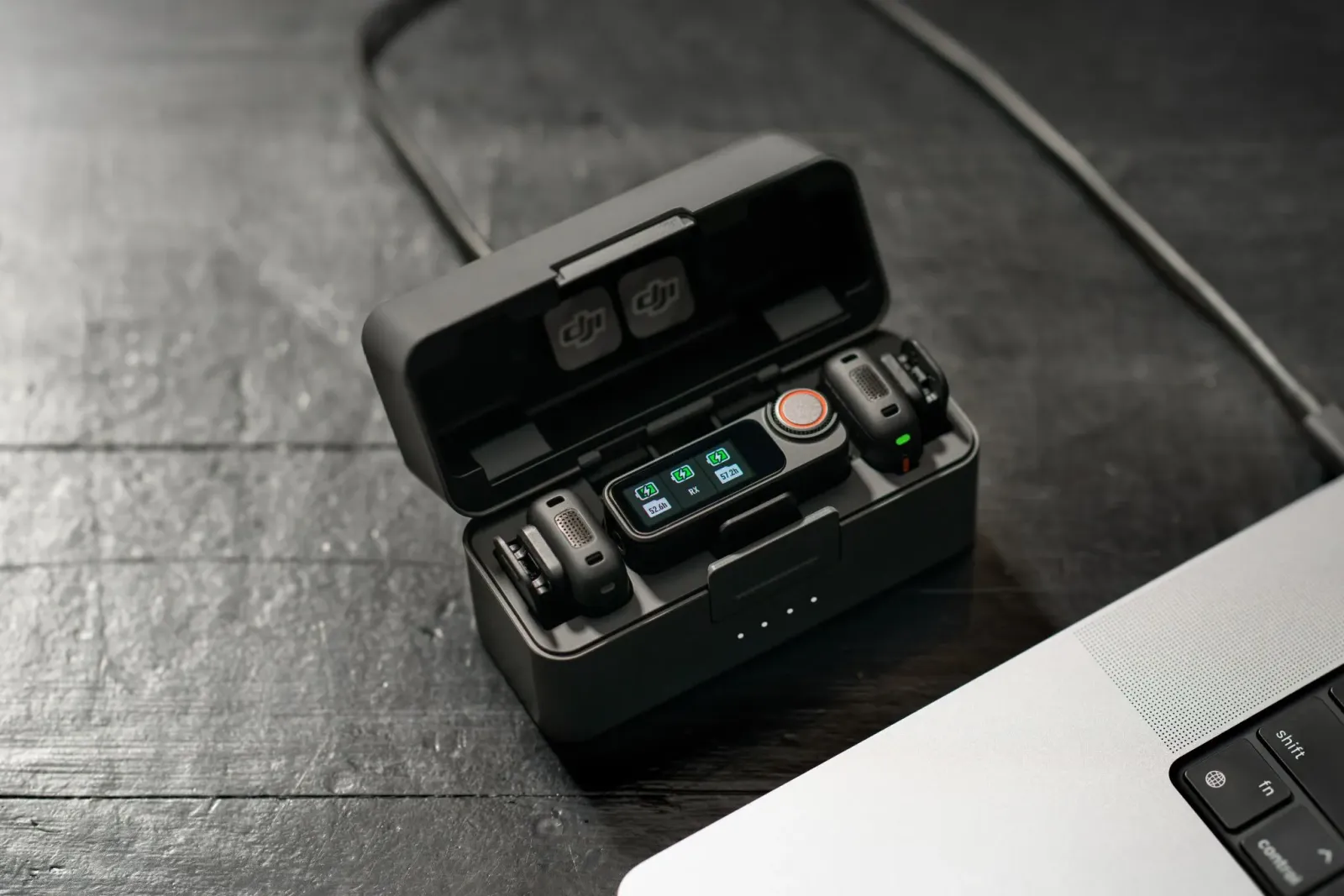
DJI has discounted its Mic 3 two-transmitter wireless microphone kit in its charging case to $219 from $259 at multiple retailers. For decision-makers, it signals a clear window to upgrade creator and product media workflows without waiting for a future sale.
DJI Mic 3 is down to $219 (usually $259) for a two-transmitter kit, and you can pick it up at Best Buy, B&H Photo, and Amazon. The cut matters because wireless lavalier audio is often the difference between “looks great” and “sounds credible,” especially when smartphones already do the heavy lifting on video.
This bundle is not just “two mics and vibes.” The DJI Mic 3 two-transmitter kit includes two microphones, a receiver unit that connects to your phone or camera, a charging case, power and audio cables, and four windscreens designed to reduce noise when recording outdoors. DJI also engineered the Mic 3 to be more forgiving than older generations, which is exactly why a price drop changes the economics for content teams, freelancers, and internal comms.
If you are thinking like an operator, the real question is: how much does time cost you when audio fails? Smartphones can capture smooth, sharp video, but microphone limitations show up immediately, in muffled voices, inconsistent levels, and background noise. DJI’s Mic 3 targets those failure modes with multiple layers of control. The receiver stores 32GB of audio, up from 8GB in previous designs, giving you more recording runway without constantly worrying about storage. It also supports both 24-bit and 32-bit floating points, which is a technical way of saying the system is built to preserve usable audio even when levels are not perfect.
On the receiver front, there is also a built-in screen for checking battery levels and connection status. That is not a “nice-to-have” for teams, it is operational hygiene. When you can quickly confirm battery and link state, you reduce the risk of discovering problems after the moment has passed. The transmitters also use included magnetic clips that let you attach the microphones easily to clothing or hats, which sounds small until you run shoots with multiple people and need consistent placement.
DJI Mic 3 also leans into less-than-ideal environments, because reality is rarely a studio. The microphones offer two levels of noise reduction and active gain control to reign in unexpected loud noises. Translation into plain English: if someone gets closer to the mic, laughs louder than planned, or the environment spikes, the system is designed to keep the audio from going off the rails. Each microphone can run for about eight hours on a single charge, while the receiver can run for about ten hours. The charging case provides at least two full charges for the set, which matters for repeat workflows across a day of filming or events.
From a business perspective, this discount is also a small signal about buyer timing. Wireless mic gear sits in the same mental bucket as cameras and lighting, but it is often bought later because teams convince themselves they can “just record audio on-device” until a project forces the issue. Dropping the kit from $259 to $219 at major retailers can pull forward that decision, especially when the bundle includes the practical accessories like four windscreens for outdoor noise reduction.
There is another second-order implication here for any team scaling content: audio quality upgrades are not only about post-production. Better on-set audio reduces rework, fewer reshoots, and less scrambling to fix muffled dialogue. And because the Mic 3 receiver is built to store audio with substantial capacity, it supports workflows where you capture reliable sound at the same time as video rather than treating audio as an afterthought.
Strategically, the headline price cut is only the surface. The deeper stake is whether teams can standardize their media stack around dependable capture. DJI’s Mic 3 combines a higher storage baseline (32GB up from 8GB), floating-point support (24-bit and 32-bit), a receiver screen for status checks, and battery life that supports full shoots (about eight hours on transmitters and ten hours on the receiver). If you are a founder, operator, or investor watching how creator economics turn into distribution at scale, this kind of upgrade is the difference between content that ships and content that gets stuck in the edit.
For now, the deal is straightforward: the DJI Mic 3 two transmitter kit is listed at $219 instead of $259 across Best Buy, B&H Photo, and Amazon. If your organization records video regularly, the timing is the point, because audio problems are expensive in minutes lost, credibility lost, and rework you only notice when it is too late.
This story's Key Insights and Take-aways are locked.
Create a free account to unlock Executive Actions for one credit.
Register to UnlockAlways free for Executives Club members. Join the Club
More in Technology

Google quietly links your phone number to every Android account on your SIM
Adding a SIM now ties your phone number to all Google accounts - and future accounts inherit it. Here's the security and privacy stakes.

Hijacker AI 'Skynet mode' runs 100,000 attack steps against exposed models
Symantec caught a criminal AI agent that borrows other models, steals data, and mines crypto; the only relief is no confirmed victims yet.

Nvidia's AI-financier shift faces its first big test as neoclouds stumble
A rout in neocloud stocks is forcing investors to weigh Nvidia's hidden exposure as both supplier and lender to the AI buildout.