
Arc System Works unveils Phoenix Cyclops as Marvel Tōkon: Fighting Souls' Year 1 DLC for 2026
Phoenix Cyclops, voiced by Ray Chase, lands this fall as the first of four DLC characters and a new stage.
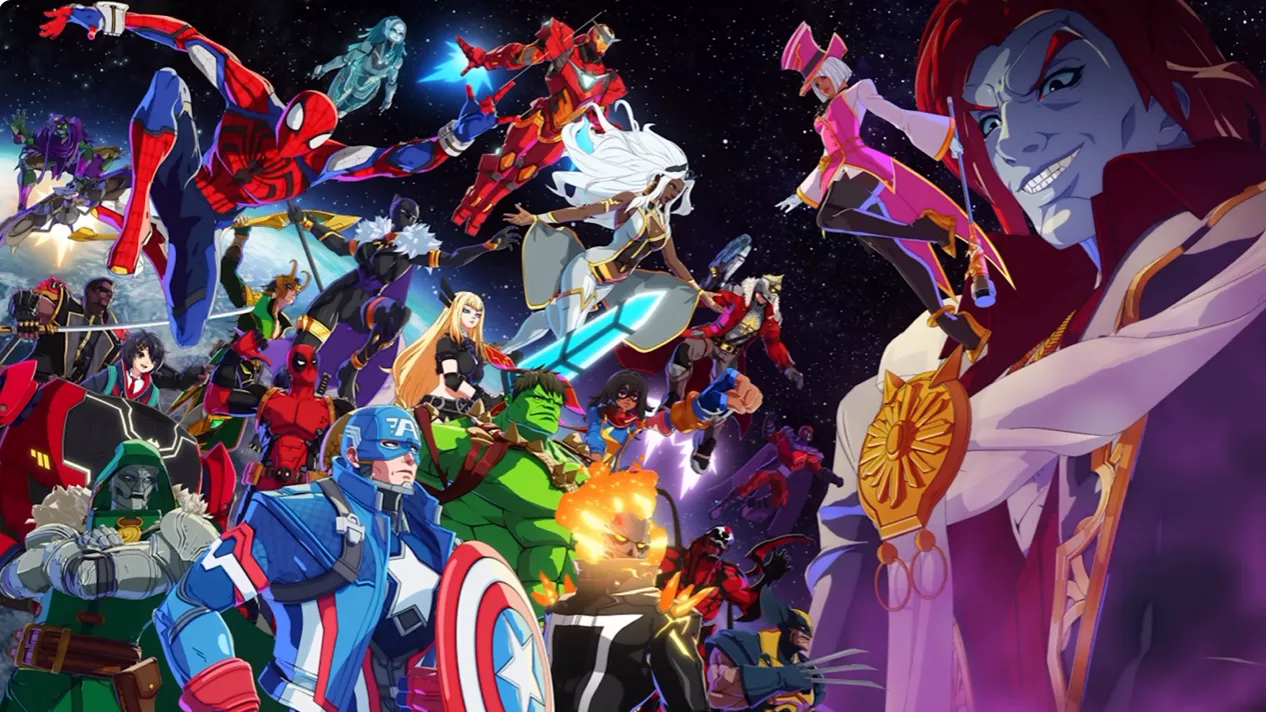
Arc System Works revealed Phoenix Cyclops as the first Year 1 DLC character for Marvel Tōkon: Fighting Souls during San Diego Comic-Con 2026. The announcement pins down the game’s early 2026 content roadmap, including an opening movie and a fall 2026 release window.
Arc System Works just locked in the first Year 1 DLC character for Marvel Tōkon: Fighting Souls, and it is not a random pick. At San Diego Comic-Con 2026, the studio revealed Phoenix Cyclops, due out fall 2026, as the first of four DLC characters plus one new stage coming during the game’s first year. For everyone tracking fighting game roadmaps, that matters because Year 1 DLC is usually where a title’s long-term retention story is either built or broken.
Phoenix Cyclops is voiced by Ray Chase, who also voices Cyclops in Disney+ show X-Men '97 and in Marvel Rivals. This is the kind of casting continuity that can lower “friction” for fans moving between Marvel properties. It also signals that Arc System Works is leaning into recognizability, not just mechanics. The DLC character is inspired by Phoenix Five Cyclops from Avengers vs. X-Men, channeling the Phoenix Force, the power famously associated with Jean Grey. In other words, the DLC reveal is not only a roster update. It is a franchise alignment move, tying a fighting game character pack to specific Marvel story DNA.
Mechanically, Arc System Works described Phoenix Cyclops’ fighting style as “Unleash devastating Optic Blasts, relentless close-range pressure, and the cosmic flames of the Phoenix Force.” That combo of traits is a very fighting game sentence. It tells you the studio is targeting a particular play pattern: zoning with Optic Blasts, then forcing opponents into tight, close-range exchanges, then leaning into the Phoenix Force identity as a kind of thematic and likely gameplay pressure point. The headline version for decision-makers is simple: this DLC character is being framed as a distinct kit, not a skin with a new coat of paint.
There’s also the content packaging angle. Marvel Tōkon: Fighting Souls is launching on PC and PlayStation 5 on August 6. The game’s opening movie and early hype rhythm are part of how fighting game publishers try to build a “time-to-fun” path for players who may be deciding whether to buy at launch or wait for a definitive roster. Arc System Works said the opening movie is inspired by classic fighting games and early 2000s anime openings. That is a deliberate aesthetic choice, and it matters because fighting games often live or die by their identity and onboarding. If the game feels like the genre’s lineage, players are more likely to stick around long enough to learn matchups.
The opening movie itself was made by the Japanese animation studio Sanzigen, under the direction of Daisuke Suzuki. The song in the opening movie is called Stronger as One, and it will be available on streaming platforms from 9pm PST tonight. This kind of cross-platform media rollout is not just fan service. It helps extend the lifecycle of the reveal from a single day at Comic-Con into broader distribution channels, which can influence how quickly people convert from “interested” to “installed.” For boards and investors watching cadence, that is often the difference between a launch that gets headlines and a launch that builds momentum.
On the Year 1 plan specifically, the key detail is that Phoenix Cyclops is due out fall 2026 as the first of four DLC characters and one new stage coming during the game’s first year. That sequencing matters for pricing and expectations. If you are a decision-maker at a competing studio, you should treat this as a signal: Arc System Works is planning multiple content beats spaced across the first year, with new character drops and stage expansion in the same cadence. In fighting games, stages change routing, tempo, and character viability. Stages are gameplay economics, even when they are not sold as such.
While the source does not mention any regulatory or licensing updates, the Marvel IP backdrop is inherently high-stakes from a legal and partnership perspective. Long-running IP franchises like Marvel typically require careful approvals for character portrayal, media assets, and distribution. When a publisher announces a DLC character tied to specific source material like Phoenix Five and the Phoenix Force, it is implicitly demonstrating that the IP pipeline is intact enough to ship a first-Year plan. That is the quiet part of the “loud” roster reveal.
So what should peers in the genre take away? First, Arc System Works is using a Year 1 DLC roadmap that starts with a culturally loaded character concept and strong voice talent alignment through Ray Chase. Second, it is pairing character gameplay messaging with a full media package, including an opening movie directed by Daisuke Suzuki and an early-2000s anime style pitch. Third, it is anchoring timing: launch on August 6, then Phoenix Cyclops in fall 2026. In a market where players can be impatient and publishers can be forgettable, that clarity is a competitive advantage, and it sets the bar for how future DLC announcements will need to earn their spot.
This story's Key Insights and Take-aways are locked.
Create a free account to unlock Executive Actions for one credit.
Register to UnlockAlways free for Executives Club members. Join the Club
More in Entertainment

12TB Steam 'teraleak' goes beyond Valve: GTA 3, Mafia 2 prototypes exposed
A 12-terabyte dump of Steam data reveals prototypes and builds of third-party classics like GTA 3 and Mafia 2, plus unreleased Valve content, rewriting game history.

LinkedIn's romance problem: 1 in 4 workers say dating on it is fair game
A new survey shows a quarter of U.S. employees treat the professional network as fair game for romance, even as LinkedIn bans it and removes hundreds of thousands of offending posts.

Enhypen's first No. 1 album breaks K-pop's Billboard 200 streak
The K-pop group's 98,000-unit debut tops the chart while Dolly Parton's catalog reentry shows how death reshapes streaming.