
Argentina’s $500,000-to-citizenship plan targets ultra-wealthy exits
A July 2025 decree sets up citizenship without residency, turning Buenos Aires into a real Plan B.
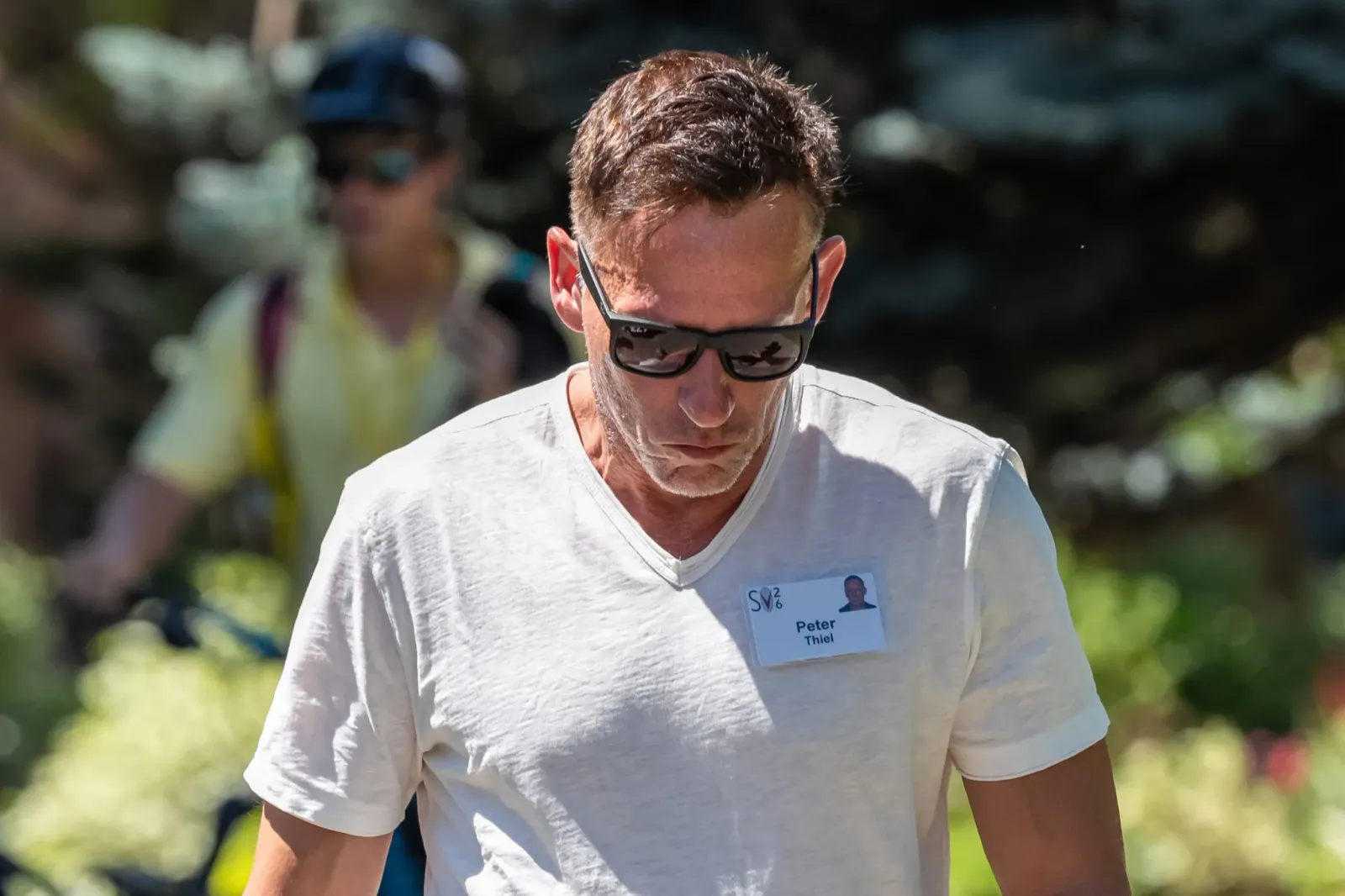
Peter Thiel’s move to Buenos Aires is landing as Argentina finalizes a citizenship-by-investment framework. A July 2025 decree created an agency that would let wealthy foreigners apply for citizenship without first residing in Argentina.
Peter Thiel did not just buy a mansion in Buenos Aires. He met with President Javier Milei and senior government officials after relocating his family to Argentina earlier this summer. And according to Fortune, that is exactly the kind of signal Argentina wants: a country trying to convert billionaire curiosity into a new pipeline of ultra-wealthy residents who want optionality if risk at home gets loud.
The mechanism behind the pitch is a citizenship-by-investment program Argentina has been preparing to launch. In July 2025, Decree 524/2025 established an Investment Citizenship Programs Agency within the Ministry of Economy, and it is built for a world where investors may want citizenship without the burden of first residing in Argentina. Fortune reports that the program’s parameters are still being worked out, but the Financial Times reported wealthy foreigners may be able to obtain Argentine citizenship in exchange for a non-refundable donation of about $500,000, or by buying $1 million in zero-coupon government bonds, citing people familiar with the government’s plans.
Why this matters is not just the headline price tag. It is the scale and the timing. Fortune frames Argentina as trying to do in practice what smaller citizenship-for-investment jurisdictions have attempted with more limited reach. Montenegro and Malta have previously offered citizenship for investment, but they are small nations compared to Argentina’s roughly 40 million people. That bigger base matters because the government is not merely selling a passport, it is attempting to sell a place where capital can actually operate, then tack on long-term settlement rights.
Part of the sales pitch is economic. Fortune cites Apex Capital Partners founder (Fortune did not include the full name in the excerpt) saying Argentina’s “business opportunities... are endless,” and pointing to Vaca Muerta, described as one of the world’s largest shale oil and gas formations. The article also highlights major industries tied to lithium, gold, silver, soy, corn, beef, and wheat, plus roughly $22 billion a year in trade with the European Union. The implication for decision-makers is straightforward: if a citizenship program starts to attract people who then build businesses, the program becomes more than a transaction, it becomes a channel for ongoing investment and networks.
There is also the geography and practical life angle, which matters because wealthy travelers do not want their risk plan to come with daily friction. Dominic Volek, who advises ultra-high-net-worth families on residence and citizenship planning at Henley & Partners, told Fortune he expects Argentina’s citizenship-by-investment program to go live by the end of the year and says his firm is already holding a roster of clients ready to apply the moment it does. Volek argues Argentina is a serious contender in the “wealth migration, investment migration space.” He adds that Argentina offers settlement rights across the nine-country Mercosur bloc, which includes Brazil, Colombia, and Ecuador, similar to how an EU passport confers across Europe.
Volek also points to a preference curve that many advisors see in real life: Argentina is remote from the U.S., but it is in a similar time zone and does not come with the jet lag associated with Europe. Meanwhile, Thiel’s arrival functions as a signal, but the open question remains whether Argentina can convert billionaire curiosity into durable capital without overpromising safety. After all, the article reminds readers that Argentina is still associated with inflation, capital controls, and default risk in the minds of outsiders. That is the tension: the program is being marketed as a hedge, but the asset and country realities are still being priced by risk-aware families.
For the ultra-wealthy, the safe-haven angle is not theoretical. Fortune reports wealthy families in the U.S. are actively searching for backup options. It cites a proprietary survey of 1,800 Americans commissioned by Katz’s firm finding 61% would consider moving out of the United States within the next five years, calling it “incredibly shocking.” For years, wealthy Americans looked to places like New Zealand, Portugal, Greece, and the Caribbean. Now Argentina, long discussed alongside risk themes, is trying to sell itself as Plan B.
This is where the advice community tries to keep everyone from mixing up “safe haven” and “tax haven.” Fortune quotes Katz saying “There’s really no such thing as a golden visa,” explaining these are temporary statuses that can go away, while citizenship provides the assurance that someone can remain indefinitely. Yet advisors caution against reading the program as primarily a tax play, at least for Americans. The U.S. taxes its citizens on worldwide income regardless of where they live, so getting Argentine citizenship does not automatically change an IRS bill unless someone renounces U.S. citizenship.
Instead, Fortune frames it as passport diversification. Volek describes second citizenships the way wealthy people diversify portfolios: “Why on earth would you have one country of citizenship and only one country that you can live in when you have the financial capacity to build a portfolio of options?” In a similar mindset, David Lesperance, an international tax and immigration advisor with over three decades of experience, told Fortune clients should treat citizenship and residency options as fire insurance. He describes planning around a possible personal wildfire like political violence, antisemitism, mass shootings, or a punitive new tax, noting it might not happen, but having the means to protect the family matters.
Crucially, Lesperance also says a move like Thiel’s does not require moving assets. “You need to separate where you live from where your assets are,” he explained, describing that he considered relocating his own family to Buenos Aires but ultimately chose Koh Samui, Thailand. The operational takeaway for executives and boards thinking about family office risk is that residence and asset location can be decoupled. You can physically move yourself without transferring wealth to match.
Now the industry is in wait-and-see mode. Volek says everyone is essentially waiting for the program to be available, then deciding. The strategic stakes are obvious: if Argentina’s program launches as designed, it could tighten the competition among jurisdictions for affluent applicants, alter the timing of citizenship planning decisions, and increase the flow of UHNWs willing to treat passports as hedges rather than fixed commitments. If it fails to deliver on the safety or administrative promise, it still pushes a bigger point: the next wave of “migration planning” will be structured, regulated, and priced like a serious financial product, not a vague dream of optionality.
This story's Key Insights and Take-aways are locked.
Create a free account to unlock Executive Actions for one credit.
Register to UnlockAlways free for Executives Club members. Join the Club
More in Business

Uber buys Delivery Hero for nearly $15B, vaulting to top food delivery outside China
The deal doubles Uber's dual-services footprint and pushes a ride-and-eats bundling play into 50 more markets.

Epic and Google drop settlement bid, forcing rival Android app stores by July 22
Google told the court it is ready to carry third-party app stores starting Wednesday, July 22.
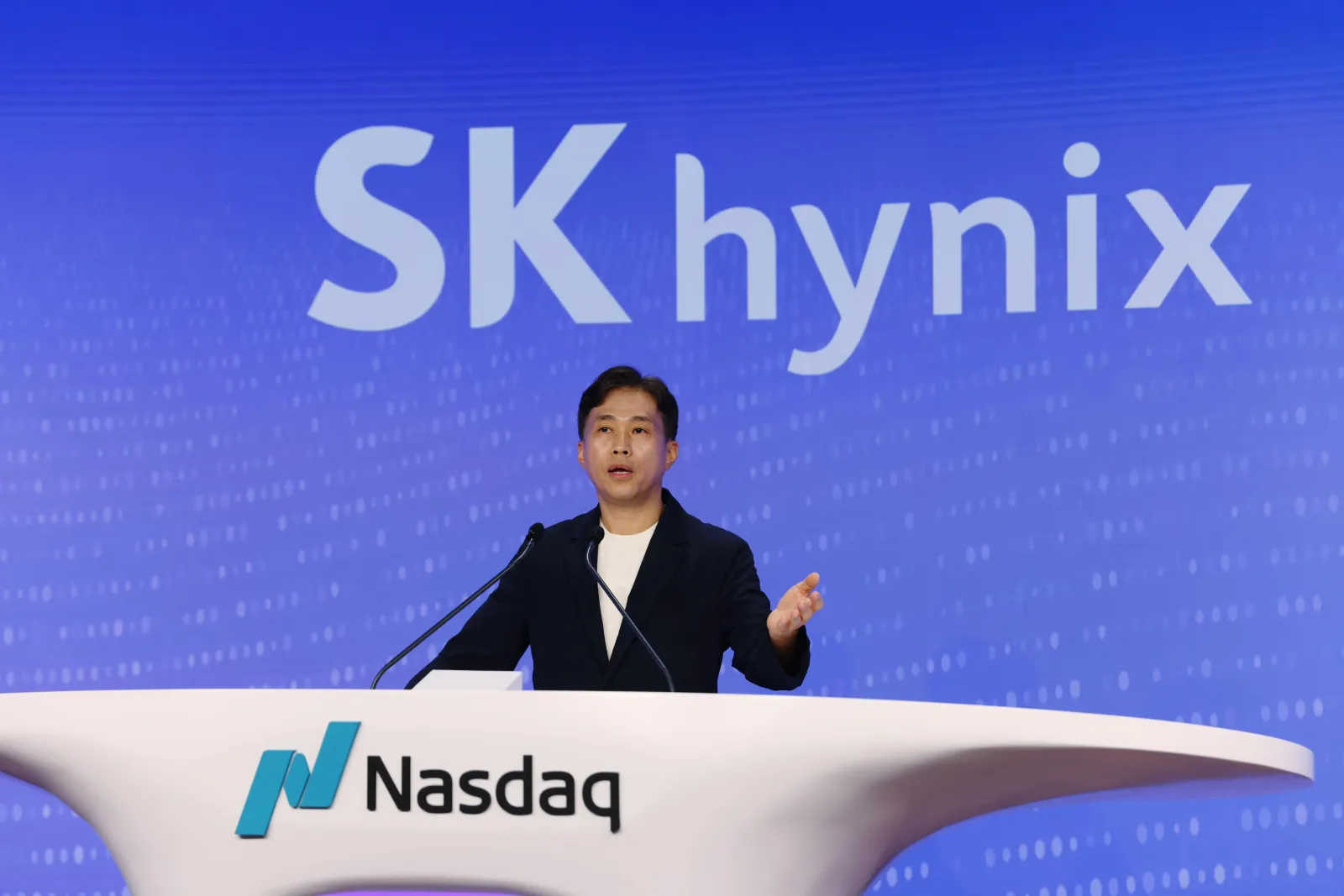
SK Hynix opens at $170, raises $26.5B, and tops foreign IPO records
In Friday's Wall Street debut, SK Hynix turns AI RAM demand into a $26.5B fundraising moment that rewrites comps.