

Artists Equity hires Universal alum Griffin Zucosky to launch scripted TV division
A new TV slate starts independent of Artists Equity’s Netflix film first-look, under Amy Baer.
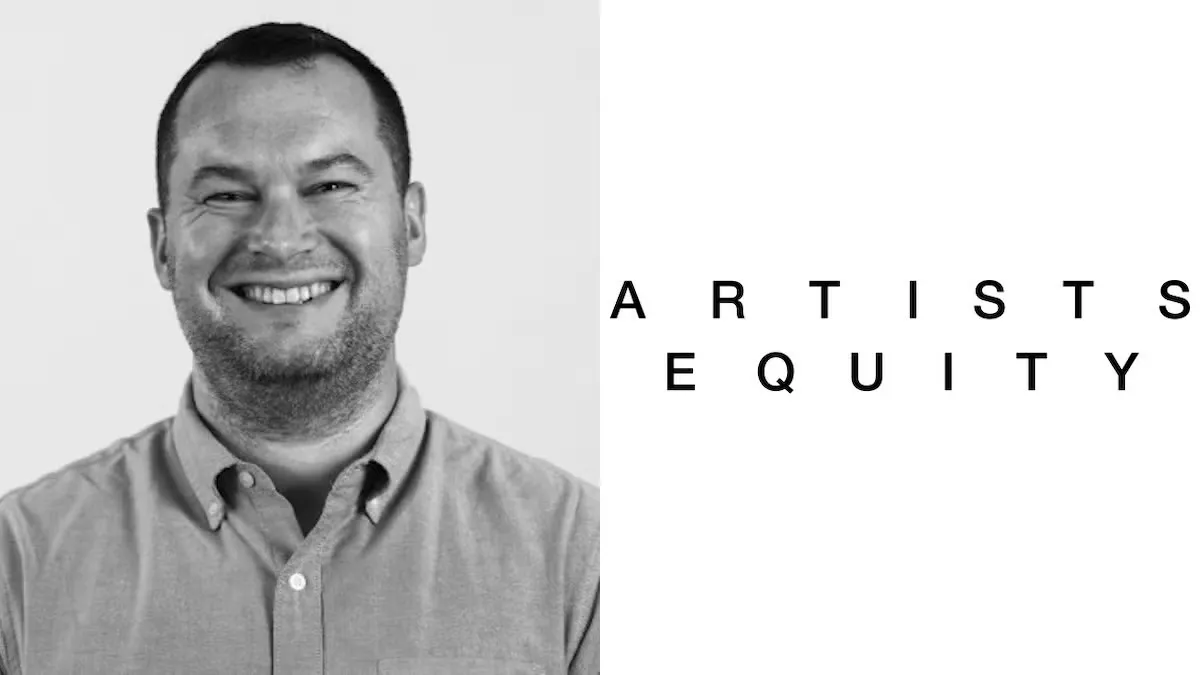
Artists Equity is launching a scripted television division led by Universal TV alum Griffin Zucosky as senior vice president. The move matters because it tests a talent-friendly profit model while the company already has a Netflix first-look deal for film.
Artists Equity is making a clean, specific bet: it is expanding from scripted film into scripted television, and it is doing it with Griffin Zucosky in a newly created senior vice president role. Zucosky, a Universal TV alum, will oversee development and production of both limited and ongoing series, reporting into president of film and TV Amy Baer.
Why this is worth your attention is not just “new division” news. It is the structure. The television division will be independent of Artists Equity’s first-look deal with Netflix, which covers film. That separation matters for decision-makers because it changes where rights, creative control, and deal leverage may land. The company is essentially drawing a line between “Netflix-backed film pipeline” and “television expansion that can be negotiated on its own terms.”
This is also a move that leans on Artists Equity’s identity, not just its headcount. In the four years since its launch, the studio has primarily focused on film, producing scripted titles including "The Rip," "The Accountant 2," "Air" and "The Instigators." It has also produced nonfiction films "The Merchants of Joy," "The Python Hunt" and "The Greatest Love Story Never Told." So the question is not whether the company can get scripts made. It is whether the Artists Equity model can survive a tougher TV execution cycle while still attracting top creators.
Zucosky’s background suggests they are thinking about execution, not vibes. Most recently, he served as director of development at Universal Content Productions, where he oversaw production for Peacock’s "The 'Burbs." He also worked on "Devil in Disguise: John Wayne Gacy" at UCP, managing UCP’s overall deals with Seth McFarlane’s Fuzzy Door, Patrick MacManus’s Littleton Road Productions and Sue Naegle’s Dinner Party. In other words, he has been in the room where relationships, packages, and production realities collide. That matters when a studio is trying to scale from film projects to a continuous slate of series.
The staffing choice also connects back to how Artists Equity wants to do business with talent. Zucosky’s role at Artists Equity will work closely with creators to uphold the production company’s mission of "an innovative, talent-friendly model that ensures all participants share in each project’s success." The model described in the source is straightforward but increasingly rare: it allows talent to take an ownership stake in their series and be rewarded for the content’s success. The brief notes that this profit model has been eliminated from many contracts in the streaming era. So this television launch is not only about programming. It is about pushing on incentive design, in a market that has often traded upside for scale and speed.
That incentive question is where the second-order implications get interesting for other studios and platforms. Streaming era deals have often standardized economics in ways that can reduce creator participation in profits tied to outcomes. Artists Equity is taking that head-on, and it is doing it while claiming a dual mission: talent-friendliness plus building a television slate that reflects the “same ambition” the company has brought to films. If the model works in TV, it becomes a template that other “creator-first” competitors will try to replicate. If it struggles, it becomes a cautionary tale about whether ownership stakes can be reconciled with the realities of series budgeting, licensing, and distribution.
And there is already proof-of-direction inside the company that suggests TV is not the only pipeline experiment underway. Founders Matt Damon and Ben Affleck launched a writers’ room program for emerging talent in March of this year, focused on development of feature screenplays. Selected writers receive regular feedback directly from Oscar-winning screenwriters and program mentor Eric Roth ("Forrest Gump," "Dune"). The studio also plans to extend this writers’ room program to ideate original series ideas to be packaged and sold.
Put it together and the narrative is sharper. Artists Equity is building a staffed TV machine led by Zucosky, under Baer’s film and TV leadership, while trying to operationalize its ownership-based economics and its creator development pipeline. For boards, investors, and operators in content, the stakes are simple: television is where studios can win sustained relevance, but it is also where wrong assumptions about economics and packaging can get expensive quickly. By keeping the scripted TV division independent of its Netflix film first-look deal, Artists Equity is buying itself optionality. Whether that optionality turns into leverage with partners, stronger talent retention, or a faster path from ideas to series will be the real test that starts now.
This story's Key Insights and Take-aways are locked.
Create a free account to unlock Executive Actions for one credit.
Register to UnlockAlways free for Executives Club members. Join the Club
More in Business

AstraZeneca $27B wipeout as Wainua late trial misses cardiovascular target
A failed late-stage heart study triggered a swift market punishment, forcing investors and boards to reset timelines and risk.
Comcast shares jump 25% as it plans to split NBCUniversal and Sky
The tax-free spin-off could reshape focus, funding, and competition across media and tech for years.

Bungie cuts most Destiny 2 staff as Sony says Marathon still matters
Herman Hulst confirms layoffs affecting most Destiny and some Marathon teams after Bungie admits Destiny fell short.