

AS Watson CEO asks: Should AI cut 30% of jobs or upgrade workers?
Malina Ngai of the world's largest beauty retailer argues AI's real payoff is human-AI partnership, not headcount cuts - and warns that optimizing today's processes just gets you a version of yesterday.
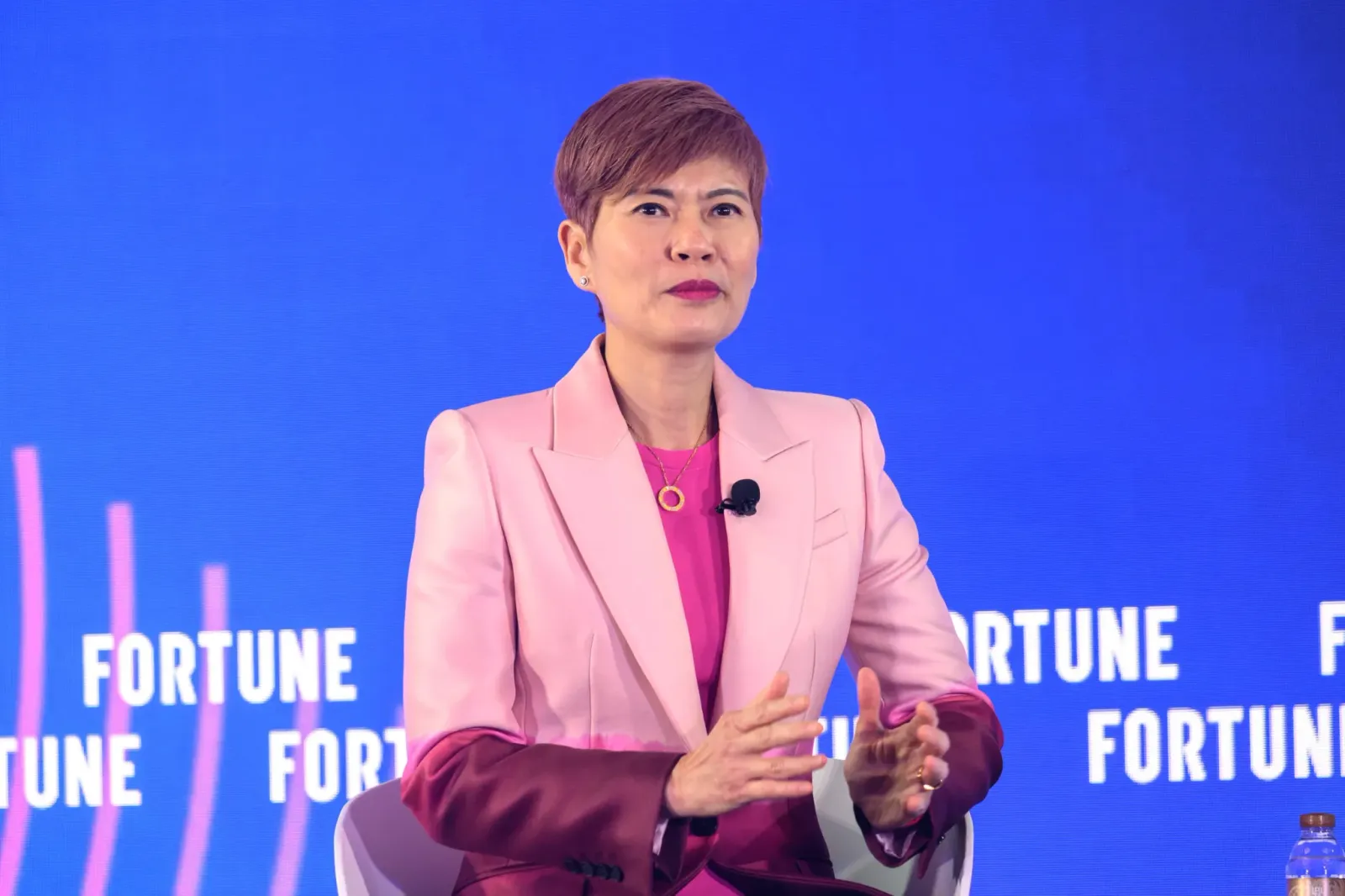
Malina Ngai, Group CEO of AS Watson, the world's largest health and beauty retailer by store count, is championing a 'human-AI partnership' strategy that upgrades worker intelligence rather than replacing staff. For executives, the consequence is a direct challenge to the prevailing cost-cutting AI playbook: the biggest risk is using AI to polish today's processes, which merely yields a version of yesterday.
Malina Ngai, Group CEO of AS Watson, is openly questioning the AI playbook that has driven tens of thousands of tech layoffs this year. "Is it really that, with AI, we're going to cut out 30% of our workforce? Or... are we going to increase the quality of our people's intelligence?" she asked at the Fortune Leaders Forum on Sept. 8. The question is not rhetorical for Ngai, who runs the world's largest health and beauty retailer by store count - a company with over 17,000 outlets across 31 markets. Her answer: AI should not be a headcount reduction tool, but a partner that makes human work smarter and more human, not less.
Ngai's alternative is a "human-AI partnership" strategy she has been pushing since last October, when it launched across AS Watson. The idea is simple: bring an AI assistant to work to help employees think faster and smarter, freeing them from screens for more face-to-face interaction with customers. The results, she says, have been measurable. Employee engagement scores have "jumped up a lot" since the strategy rolled out, and a parallel "customer love score" keeps rising as store staff are freed to actually serve people. "This is not the usual way that people would measure AI," she acknowledged - a pointed contrast to the standard metrics of cost per transaction or automation rate.
The backdrop makes her stance notable. Tech companies have shed tens of thousands of roles this year as they pivot toward AI. Oracle, for example, cut 21,000 jobs, or roughly 13% of its workforce, over the past year. Ngai, who previously led AS Watson's digital transformation and expansion of its online commerce offerings, is deliberately swimming against that tide. She argues that AI is an opportunity to reinvent how retail itself works, not just to speed up existing processes. "It's the first time we are able to look into how we reinvent the model so that we don't just focus on processes," she said. "Going forward, I think retail is going to become more human, not less."
Her view is echoed elsewhere in retail. In May, Costco CEO Ron Vachris insisted that AI was "elevating" workers, not replacing them. But Ngai goes further, pointing to a concrete example of how automation can reshape a workforce in unexpected ways. Two months ago, she visited an AS Watson warehouse in Foshan, about 120 kilometers from Hong Kong. In a typical warehouse, some 80% of workers are men because of the heavy lifting. With robots now handling that work, 62% of the workforce at the Foshan site is female. "That was something that really positively surprised me - how technology can also bring more diversity in the company," she said. The warehouse is a microcosm of her bigger argument: AI reshapes a business when it's used to rethink old assumptions, not just to optimize what's already being done.
AS Watson's scale gives her words weight. Founded in 1841 as a pharmacy in the then-British colony of Hong Kong, the company has grown into a global giant. The Hong Kong conglomerate is reportedly planning to list the unit in both Hong Kong and London, with reports suggesting a valuation of around $30 billion. That listing would put Ngai's human-AI strategy under intense investor scrutiny, especially as markets reward companies that show AI-driven efficiency gains. But Ngai is betting that the opposite approach - using AI to elevate human capability - will produce better long-term returns, both in customer loyalty and in the quality of the workforce.
Her warning to other leaders is blunt. "The biggest risk for all leaders with this type of AI technology is: We [use] AI to improve today's processes," she said. "Basically, you get a version of yesterday." The trap, in other words, is treating AI as a faster conveyor belt rather than a chance to redesign the factory. For executives facing pressure to show AI ROI, Ngai's stance is a reminder that the most defensible AI strategy may be the one that makes your people more valuable, not less. As she put it, the goal is to increase the quality of your people's intelligence - and that, not headcount reduction, is the metric that will separate winners from losers in the AI era.
This story's Key Insights and Take-aways are locked.
Create a free account to unlock Executive Actions for one credit.
Register to UnlockAlways free for Executives Club members. Join the Club
More in Business

Apple unveils first foldable iPhone Duo with 7.6-inch display under new CEO Ternus
Apple's first foldable, the iPhone Duo, marks a major product bet for new CEO John Ternus, with a 7.6-inch unfolded screen.
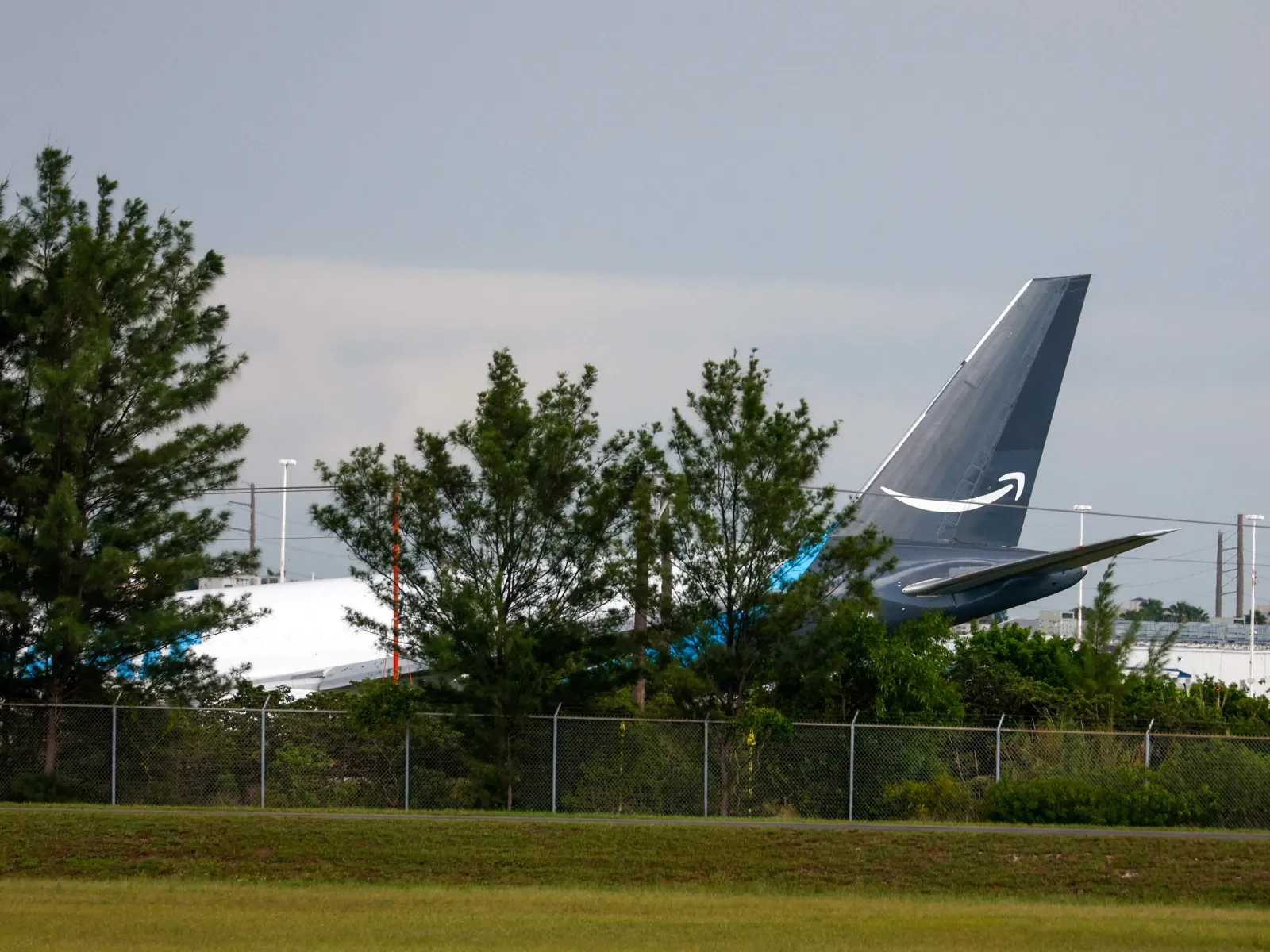
Amazon Prime Air 767 overshoots Miami runway, killing at least 5
The Boeing 767 freighter from San Juan struck vehicles and erupted in flames, prompting a ground stop and a fresh NTSB investigation into Amazon's air cargo network.
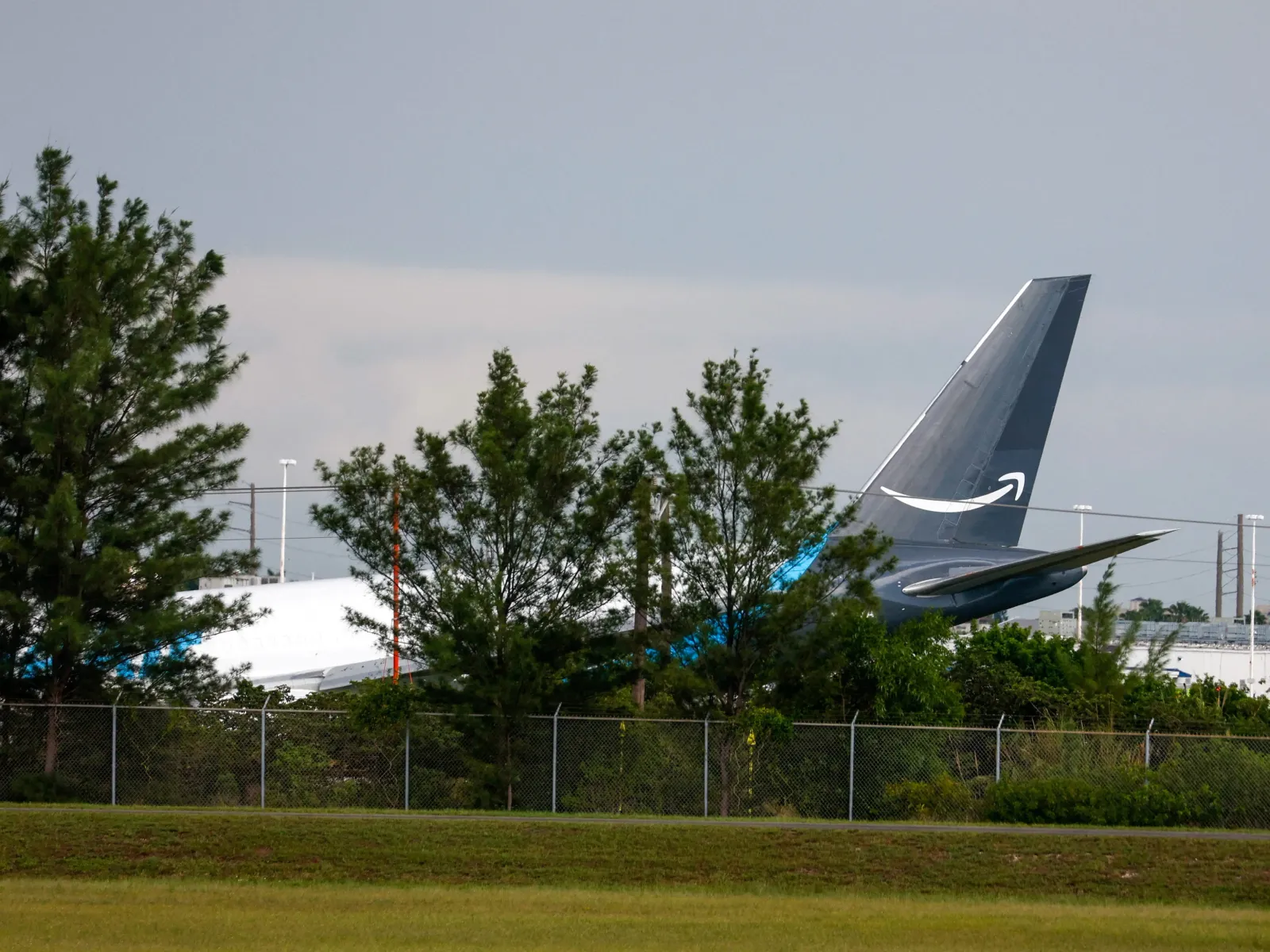
Amazon Prime Air 767 overshoots Miami runway, strikes vehicles, catches fire
The Boeing 767, operated by 21 Air, was arriving from San Juan when it overshot the runway, triggering a ground stop and multiple injuries.