
Asha Sharma cuts 1,600 Xbox jobs on July 6, threatening studios and engines
Microsoft’s reshuffle hits Bethesda, ZeniMax, Blizzard, King, Mojang, and Xbox Game Studios just as Sony moves to end discs.

On July 6, new Xbox CEO Asha Sharma put 1,600 Xbox employees out of work, with another 1,600 set before the end of Microsoft’s 2027 fiscal year. The cuts follow years of Game Pass bets and acquisitions that already detonated studios, raising the risk that IP, talent, and core technology pay the bill.
New Xbox CEO Asha Sharma hit “reset” the way markets fear: quickly, broadly, and with jobs on the line. On July 6, 1,600 Xbox employees were put out of work, and another 1,600 workers are set to lose their jobs before the end of Microsoft’s 2027 fiscal year. The axe doesn’t land softly on one struggling team. It hits Bethesda, ZeniMax, Blizzard, King, Mojang, and Xbox Game Studios alike, and King and Mojang now report directly to Sharma as part of an organizational restructuring meant to help Xbox become “one of the few companies that entertains more than a billion people each day.”
This is the kind of move that looks tidy on a spreadsheet and messy in everything else. The PC Gamer piece frames it as borderline nonsensical in scope and intent, not some carefully engineered surgical play. And even if a finance perspective says “we cut unprofitable payroll,” it still ignores the bigger question executives are now forced to answer: what happens to ongoing games, platform credibility, and the institutional know-how that actually makes products work? ZeniMax Online Studios, for example, has been gutted of 213 employees. That directly calls into question its ability to maintain The Elder Scrolls Online. As of 2024, that game had generated $2 billion in revenue across its lifetime, and it was transitioning to a seasonal model with promising momentum before the layoffs. When you trim the people maintaining long-running worlds, you do not just reduce costs. You change how reliably those worlds evolve.
Zoom out and you can see why this moment hits harder. Microsoft’s Xbox operation has spent the 2020s making the worst kind of bets in the games industry: big acquisitions, big promises, and a platform strategy that required everything to cooperate. Phil Spencer was at the helm as Microsoft sank tens of billions of dollars on an acquisition spree and staked a large portion of the industry under the Xbox umbrella. The thesis was largely Game Pass, an all-in gamble that was meant to sustain studio output and revenue. The piece is blunt that the gamble failed, with Game Pass attracting tens of millions fewer subscribers than it needed to sustain itself. From there, the company went through misguided marketing campaigns, mismanaged release strategies, and recurring mass layoffs, along with studio closures and project cancellations.
The interesting part is not that layoffs happened. The games industry runs on cycles of hype, releases, and cost pressure. The interesting part is how leadership framed the situation versus what employees experienced. Tango Gameworks was axed in 2024, a year after Microsoft said Hi-Fi Rush had exceeded “all key measurements and expectations.” In 2025, Spencer insisted that Xbox’s “platform, hardware, and game roadmap have never looked stronger” in the same memo that informed employees of another wave of layoffs and closures. Those cuts included a ZeniMax team that spent seven years developing an MMO. Spencer reportedly enjoyed so much that the controller had to be physically removed from his hands during an internal demo. Whether you read that as confidence or denial, the sequence landed the same way for developers: the projects got cut anyway.
Now, with Spencer gone in February and Asha Sharma in charge, the piece says the havoc this month reads less like a continuation and more like abandonment of any pretense of good-faith stewardship. That matters because Xbox is trying to manage more than products. It is managing trust across developers, players, and the talent pipeline that keeps “ongoing games” alive. The stakes are heightened by the specific targets in this round, especially id Software. The studio slashed 136 employees after delivering a record-breaking launch last year, and the piece adds a pointed detail: despite assurances to the contrary from Microsoft and id Software's Hugo Martin, some laid off staff insist that even id Tech, the proprietary engine that powers not only id’s games but also MachineGames’ projects, has an uncertain future. If that concern is even partially true, it is not just a staffing issue. It becomes a capability issue.
The broader games landscape is also shifting under everyone’s feet. PC Gamer places Xbox’s turmoil beside Sony’s own streak of live-service turbulence, and the contrast is instructive. Sony committed years to live-service attempts, including Concord, which reportedly burned hundreds of millions of dollars before launch-week euthanization. Blue Point, known for remasters, was placed on a live-service God of War spinoff project and later dragged into a February 2026 shuttering once Sony lost patience with its plans. Sony also said it would launch eight of 12 live-service projects by 2025 but canceled those it could not support. And then there is the Destiny 2 sequence: Sony laid off almost the entirety of Bungie’s Destiny 2 team just days before the CEO and president Hideaki Nishino said Sony wants to “continue to take on” live-service projects.
Layer in another Sony move that executives should not treat as “just logistics.” Sony has announced the approaching end of its physical disc production, marking 2028 as the year it will start releasing new PlayStation games exclusively through digital distribution. The piece warns that while it looks good on the quarterly balance sheet, ending disc production could quietly damage future prospects by strangling the viability of reselling used games. Even among PC users who rarely handle discs, the ability to resell used console libraries has been part of how some people got into and stayed in gaming. Again, the second-order implication for decision-makers is not morality. It is friction in the ecosystem: when you remove resale channels, you can change player behavior, upgrade cycles, and willingness to take risks on new titles.
Put Xbox and Sony together, and the pattern looks less like isolated “bad luck” and more like structural stress. Executives are under pressure to hit numbers while also funding creative work that takes years. Live-service bets require steady staffing and continuity. Engine know-how cannot be swapped out like office chairs. When organizations cut in broad strokes, they may reduce costs in the short term, but they also risk weakening the very pipeline that makes long-running games and reliable releases possible. For boards and leadership teams, the strategic stake is simple and uncomfortable: if nobody remembers how to drive, the cliff approaches faster than the next earnings call.
This story's Key Insights and Take-aways are locked.
Create a free account to unlock Executive Actions for one credit.
Register to UnlockAlways free for Executives Club members. Join the Club
More in Business

Uber buys Delivery Hero for nearly $15B, vaulting to top food delivery outside China
The deal doubles Uber's dual-services footprint and pushes a ride-and-eats bundling play into 50 more markets.

Epic and Google drop settlement bid, forcing rival Android app stores by July 22
Google told the court it is ready to carry third-party app stores starting Wednesday, July 22.
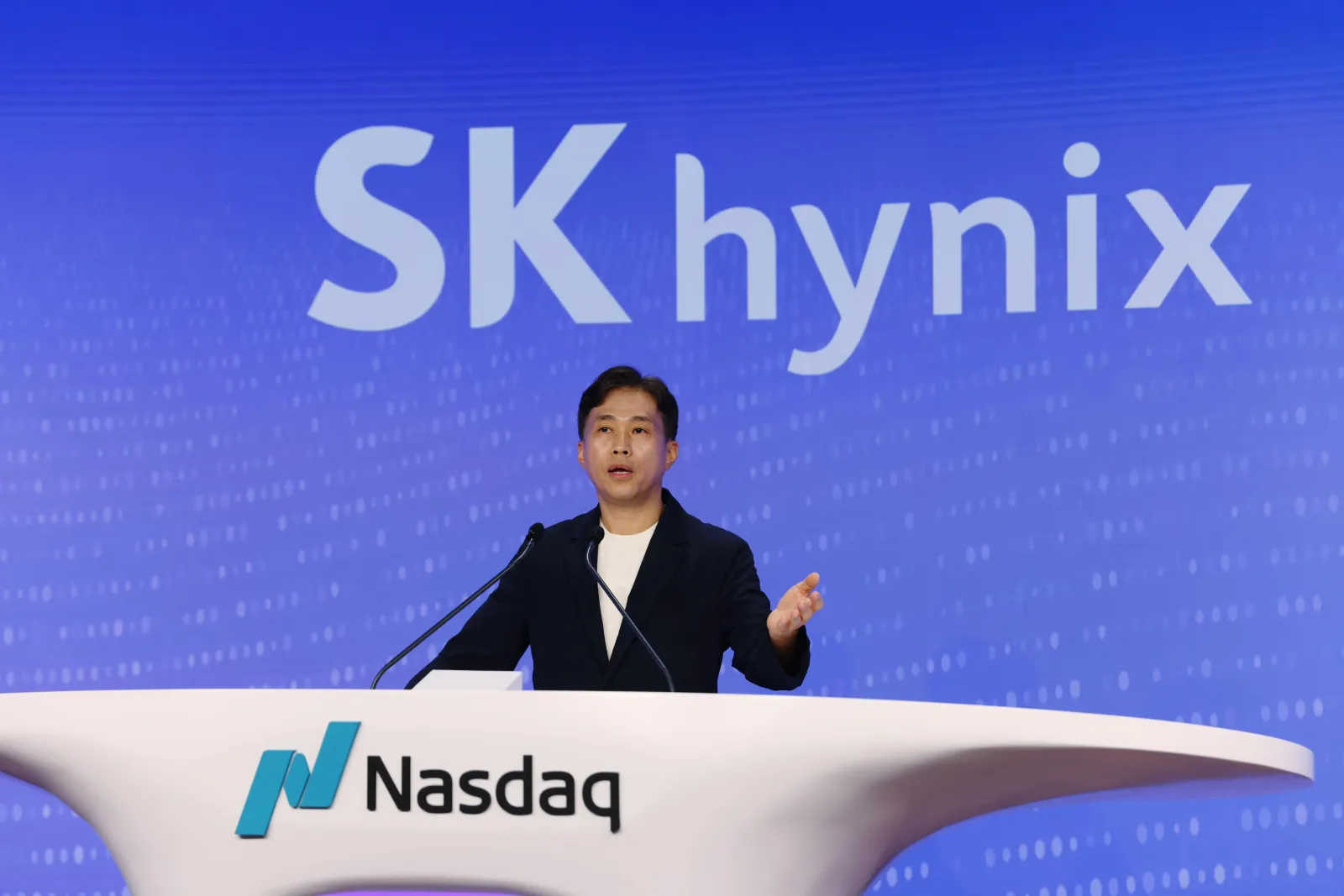
SK Hynix opens at $170, raises $26.5B, and tops foreign IPO records
In Friday's Wall Street debut, SK Hynix turns AI RAM demand into a $26.5B fundraising moment that rewrites comps.