

Asha Sharma launches an “Xbox reset” with a 3% margin and July layoffs
A memo warns of console cost pressure and an overextended studio system, as layoffs and closures loom.
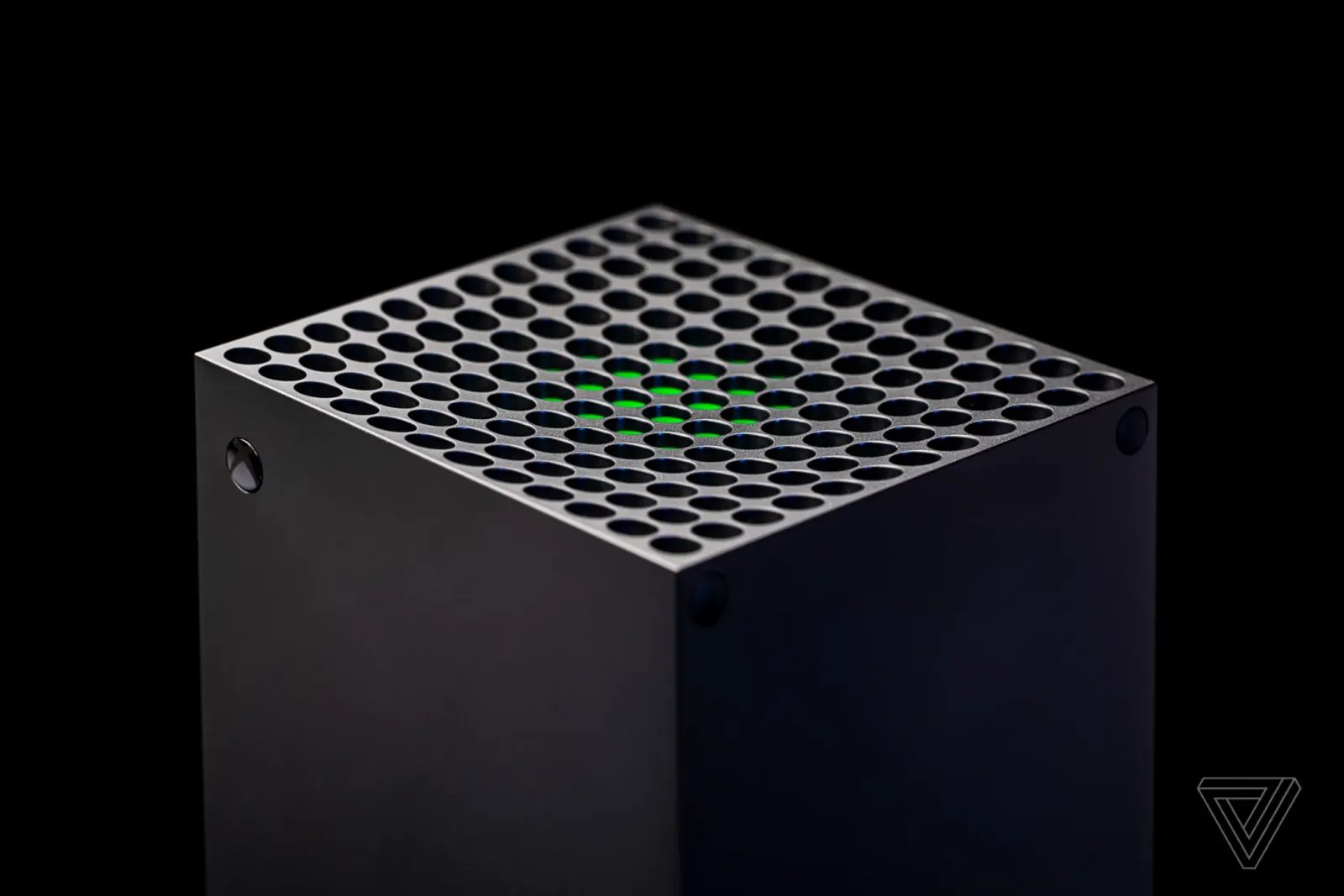
Asha Sharma, newly CEO of Microsofts Xbox division, and newly-promoted chief content officer Matt Booty sent a June 10 memo warning staff about an “Xbox reset.” The memo points to a 3 percent “accountability margin,” higher console component prices, and an overextended studio model, as Xbox layoffs planned for July could include studio closures or spinoffs.
Asha Sharma and Matt Booty just dropped the Xbox equivalent of a companywide “we need to talk.” On June 10, Sharma, a few months into her role as CEO, and newly-promoted chief content officer Matt Booty sent a memo to staff warning of an “Xbox reset.” Their message is specific enough to feel like a plan, not a mood. Microsofts Xbox business, they said, is facing significant challenges including a 3 percent “accountability margin,” massively higher component prices for consoles tied to the memory and storage shortage, and an “over extended” studio system.
Two days later, the consequences of that memo started showing up in the reporting. That same day, The Verge and Bloomberg reported that the Xbox division was planning layoffs in July, with cuts expected to be announced on July 6. According to that coverage, the layoffs could include studio closures or spinoffs. Tom Warren of The Verge also reported on June 30 that Microsoft was looking at closing at least five studios and potentially canceling games like Blade. In other words: the reset language was not just internal signaling. It was a preface to job cuts and operational reshuffling.
For decision-makers, the “3 percent accountability margin” detail matters because it frames the whole situation as a measurable performance problem. In normal people terms, it sounds like leadership is telling teams there is a narrow acceptable gap between what the Xbox business must deliver and what it can afford to miss. When you pair that with “massively higher component prices” driven by the memory and storage shortage, you get a fairly classic squeeze: hardware gets more expensive at the exact moment you also want to fund content, shipping pipelines, and long-term studio overhead. That combination is brutal because Xbox studios are not just producing content. They also represent fixed cost, multi-year commitments, and a portfolio strategy that can be disrupted when the margin target is non-negotiable.
And the “over extended” studio system line is essentially an admission that the current studio footprint, and how much it costs, may not match the revised economics. The Xbox studio model has historically been about building durable franchises and keeping players in the ecosystem. But when component costs rise, corporate scrutiny tends to rise too, and executives get pushed to “right-size” the portfolio. This is where layoffs stop being just people-moving and start becoming capital allocation. Bloomberg and The Verge reporting about a July announcement date signals that leadership was likely aligning internal change with external timing.
The bigger twist for anyone tracking Xbox specifically: the reset is happening while Xbox is still trying to move forward on both business model experiments and high-profile publishing. Under Sharma leadership, Xbox has already been making major changes: upcoming price hikes for Xbox consoles, lowering Game Pass prices, and cutting out new Call of Duty games. The company also rebranded Xbox to XBOX, and it has committed to Xbox console exclusives for Gears of War: E-Day and Clockwork Revolution. So the picture is not “pause everything.” It is “recalculate everything,” including the incentives that drive what studios build and what gets greenlit.
There is also a content belt-and-suspenders angle in the reporting list itself. For example, Xbox will reportedly still publish Hideo Kojimas OD. 007 First Light's developer laid off staff but claims its next franchise will continue. Meanwhile, Xbox prices are spiking again, reportedly another $100 or more, even as Xbox turmoil continues with studio closure and executive departures. The list also suggests continuing churn around major releases and partner studios, including coverage that Xbox weighs canceling Blade, shuttering Arkane, and closing down Hellblade creator Ninja Theory.
At the same time, Microsoft is not pretending the console category can simply absorb new costs forever. It has explored “radically different” console business models, including RAMaggedon’s making Xbox “rethink” its Helix console. Xbox has also been adjusting its strategic leadership pipeline, including hiring game industry analyst Matthew Ball to lead strategy. For peers watching this, the second-order effect is clear: when a platform leader reframes its console strategy, it tends to ripple into how publishers plan release schedules, how studios budget staffing, and how investors model timeline risk. It also raises a governance question for boards and exec teams: when the market environment changes fast, how quickly can the company shift from long-cycle studio commitments to faster portfolio decisions without undermining player trust?
For executives in similar roles, the stakes are direct. Xbox is signaling that studios, hardware economics, and content strategy are being pulled together under one financial constraint. If the reset works, Xbox could regain control of costs, align output with margin targets, and still publish and release major franchises. If it doesn’t, the downside is visible in the same reporting: cancellations, studio shutdowns, spinoffs, and more executive exits. The July 6 cuts announcement, plus the reported possibility of closing at least five studios, is the concrete deadline behind the memo. In other words, this is not a vague reorg. It is a reckoning period where operational decisions become visible to the market, talent, and players all at once.
This story's Key Insights and Take-aways are locked.
Create a free account to unlock Executive Actions for one credit.
Register to UnlockAlways free for Executives Club members. Join the Club
More in Business
Comcast shares jump 25% as it plans to split NBCUniversal and Sky
The tax-free spin-off could reshape focus, funding, and competition across media and tech for years.

Bungie cuts most Destiny 2 staff as Sony says Marathon still matters
Herman Hulst confirms layoffs affecting most Destiny and some Marathon teams after Bungie admits Destiny fell short.

SK Hynix jumps 11% after seeking up to $29.4B in Nasdaq listing
The chip giant filed for a Nasdaq listing plan that could raise $29.4 billion, instantly reshaping investor expectations.