
Asha Sharma links Xbox exclusives to business health, starting with 1-2 signature bets
Xbox’s new strategy hinges on whether the company’s “business” is healthy, with Gears of War: E-Day and Clockwork Revolution as tests.
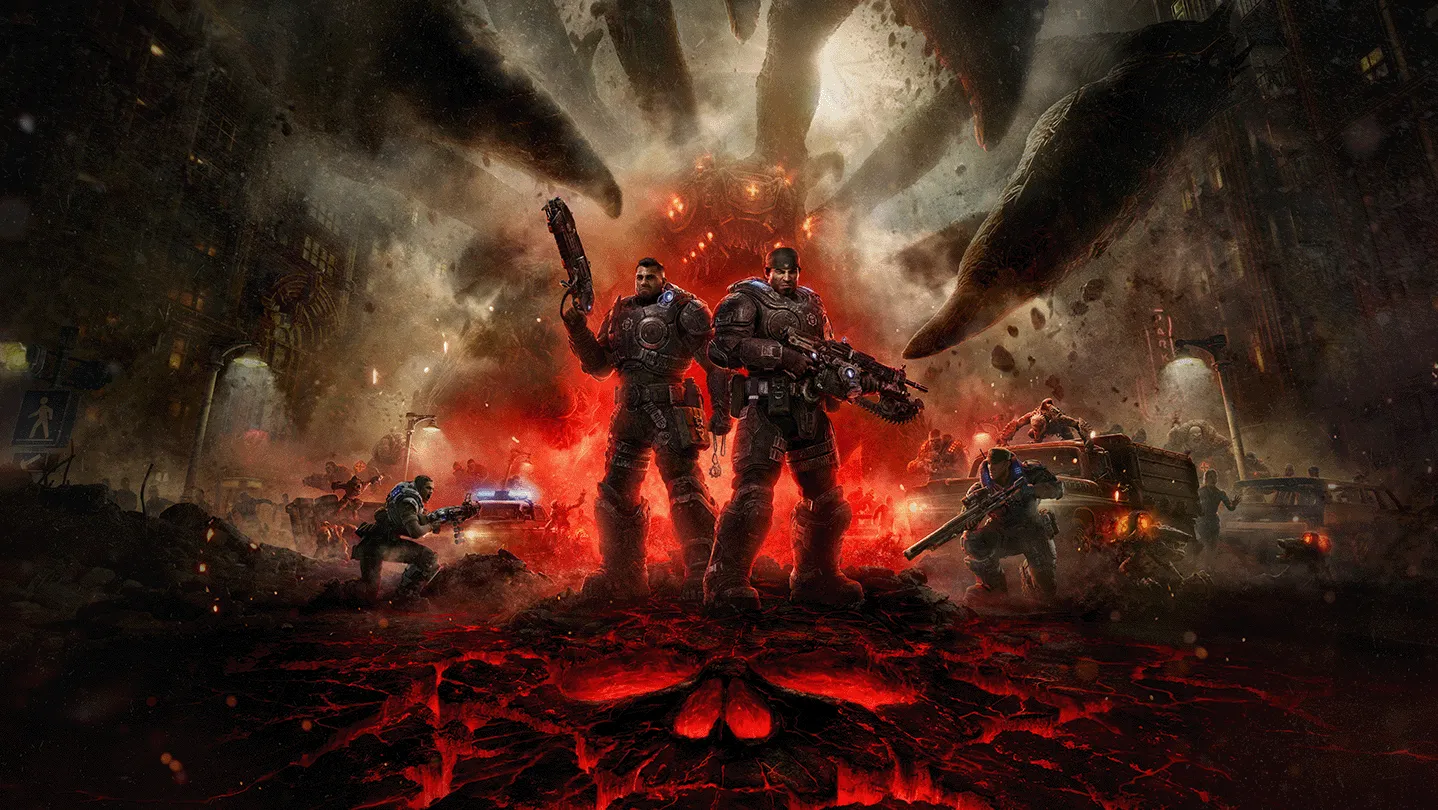
Asha Sharma, head of Xbox, told Fortune that exclusives will scale only as Xbox’s business gets healthier. She also tied the near-term plan to introducing one to two signature exclusives, starting with Gears of War: E-Day (October) and 2027’s Clockwork Revolution.
Xbox’s exclusives are no longer a simple “because we can” decision. Asha Sharma, head of Xbox, says the plan is conditional: Xbox’s business is not “particularly healthy,” so the company will begin with “one to two signature exclusives” and then “try and do more” only as the business improves.
In other words, Xbox is treating exclusivity like a portfolio allocation problem, not a brand identity exercise. Sharma’s core framing to Fortune is that multi-platform games matter because Xbox is the number two publisher in the world, and publishers want their games “to be everywhere.” But she also argues that exclusives still matter because Xbox is becoming more of a platform, and platform models historically use exclusive services and content.
That tension is the whole story for 2026. Xbox wants the distribution advantages of multi-platform releases, but it also wants platform leverage. Sharma basically admits Xbox is trying to earn that leverage without overcommitting while internal fundamentals are still under pressure. Her approach is a calibrated bet: introduce a small number of high-signal exclusives, watch how they perform, and adjust. This is not presented as a permanent “we’re exclusive now” pivot, and the details around the games make that restraint feel deliberate.
The two exclusives in question are Gears of War: E-Day and Clockwork Revolution. Gears of War: E-Day is arriving this October, and Clockwork Revolution is slated for 2027. Importantly, Sharma’s strategy comes with a boundary: these are described as not timed-exclusive games. That means there are “zero plans to bring them to PlayStation later.” If you are tracking competitor moves, this is a meaningful signal. Timed exclusives are often used as a bridge while a company figures out whether it can secure enough market pull. No timed escape hatch changes how other platforms should interpret Xbox’s intent and how partners might structure their own expectations.
At the same time, Xbox is not acting like the multi-platform era is dead. The company also announced that first-party games like State of Decay 3 and Senua will be on PS5 when they release next year. The source notes these were not previously publicly announced for PS5, and it also references games like Halo: Campaign Evolved and Fable in that context. This is where fans got confused, because the messaging around “signature exclusives” and the broader expansion to PlayStation could look contradictory from the outside.
Add one more detail and the contradiction becomes visible: a PlayStation 5 logo appeared on Gears of War: E-Day art that showed up on the official Xbox Podcast. The image was rapidly scrubbed from Xbox channels, but it remained a tell. Fans and observers read it as evidence the game might have been intended for PS5 at some point, then reversed when the exclusivity strategy was updated. The source is clear that this is not confirmed, but the existence of the artifact matters because it exposes the reality of strategy: marketing assets, platform commitments, and legal timelines do not always update at the same speed as leadership messaging.
So why weren’t the same PS5-facing moves done for those other games? The source points out that it is unclear, with fan speculation that it could be driven by a mix of factors. Examples mentioned include Hellblade’s PlayStation fan base and State of Decay benefiting from a larger player base as a co-op series. Even if you treat speculation as speculation, the pattern is still clear: Xbox appears to be evaluating exclusivity case by case, using the two signature games as tests for how much exclusivity can do for platform strength without sacrificing the reach that comes from being everywhere.
For executives, boards, and investors, the second-order implication is that “strategy” now has a cash-flow-style condition. Sharma’s quote makes the business-health dependency explicit. That means any future exclusivity ramp is likely to be constrained by what “healthy” means in internal reporting: performance of live games, profitability, spending efficiency, and how quickly the company can justify exclusivity costs versus the value of broader distribution. If the bets work, the company signals it will “try and do more.” If they do not, the source leaves the uncomfortable questions open: Will Xbox go back to multi-platform releases fully? Or will it become more selective, potentially keeping legacy franchises like Halo exclusive while pushing newer IP to all platforms? The most important part is that Xbox is actively building an answer, one release at a time.
This story's Key Insights and Take-aways are locked.
Create a free account to unlock Executive Actions for one credit.
Register to UnlockAlways free for Executives Club members. Join the Club
More in Entertainment

Christopher Nolan’s “The Odyssey” posts his biggest Tuesday haul, surpassing “The Dark Knight’s” record
The film’s Tuesday breakout reframes Nolan’s box-office ceiling and forces competitors to rethink timing, budgets, and release strategy.

Kacey Musgraves cancels Aug. 20, 29, Sept. 2 Middle of Nowhere shows
Ticketmaster emails are telling fans refunds are coming, while the tour still starts Aug. 21 in Chicago.

Billie Joe Armstrong launches Epiphone Les Paul Junior and Marshall 1959BJA signature gear
Two limited releases turn decades of Green Day’s tone into branded hardware, including Marshall’s first artist amp in 14 years.