

Ashton Kutcher exits Sound Ventures to launch a new VC firm with Morgan Beller
The move shifts from AI lab bets to the infrastructure and energy beneath them, with real signals for where capital flows next.
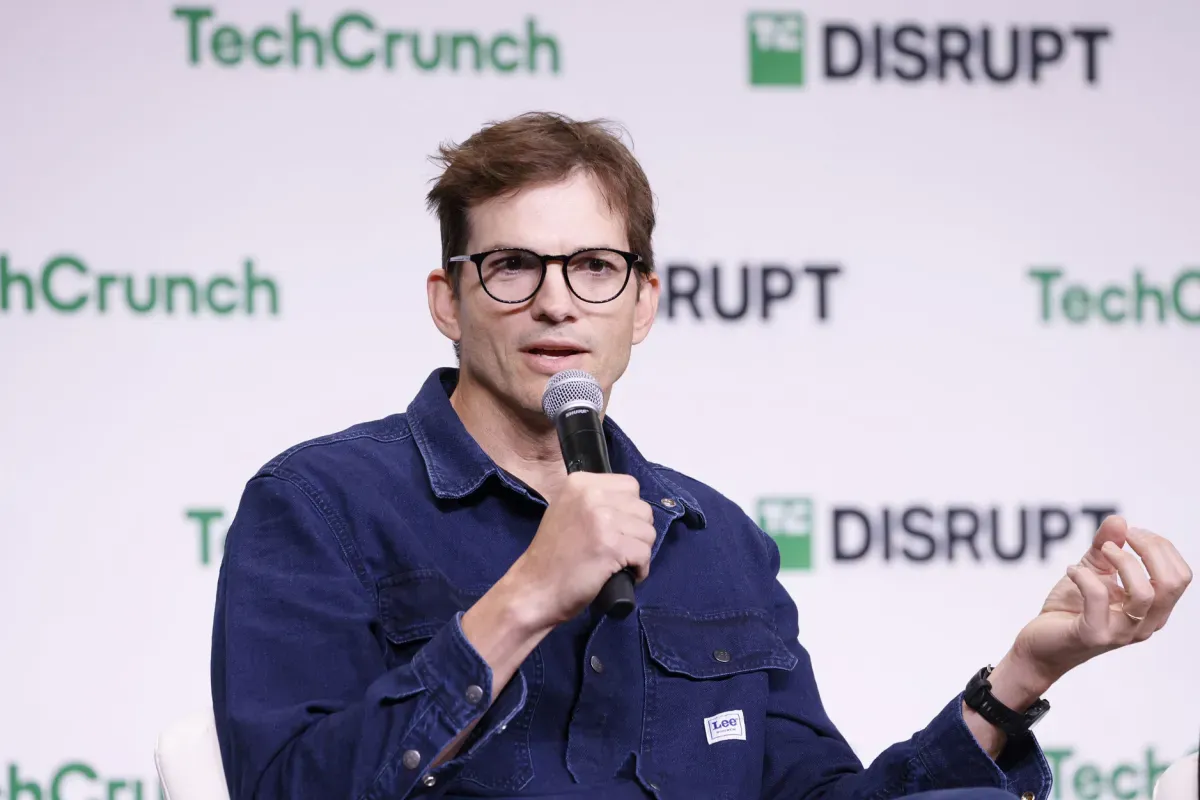
Ashton Kutcher is leaving Sound Ventures and partnering with Morgan Beller to launch a new VC firm. The consequence is a potential pivot in how AI investors underwrite long-term returns, from model makers to the systems that keep them running.
Ashton Kutcher is leaving Sound Ventures to launch a new VC firm with Morgan Beller, according to TechCrunch. Sound has built its reputation on concentrated, high-conviction bets in category-leading AI labs. Kutcher’s next fund appears to target the layer underneath those labs: the infrastructure and energy that power them.
That headline matters because it highlights a shift in where AI risk and money are landing. AI “labs” get the headlines, but the hard constraints are typically downstream. Compute capacity, power availability, and the operational glue that turns models into reliable services often determine whether the industry can scale. In other words: the newest investment thesis is not about who builds the smartest model, but about who ensures the lights stay on.
Sound’s track record, at least as described in the coverage, is built on concentrated, high-conviction bets. That style usually comes with an implicit promise to founders and co-investors: fewer bets, deeper judgment, and a willingness to stay through inflection points. Kutcher moving from that platform into a new vehicle suggests he wants to apply that same conviction, just to a different bottleneck. If your prior thesis was that world-class teams can win by building breakthrough AI capabilities, the next thesis is that the world-class teams of the future will also be constrained by data centers, energy procurement, and the supply chain of hardware and power.
To understand why infrastructure and energy has become a VC magnet, zoom out to how AI companies actually grow. They do not scale simply by hiring more researchers or releasing better models. Scaling usually means higher training and inference workloads, which means more GPU clusters, more networking, and more power draw. Those factors are not abstract. They can translate into real-world timelines: how fast systems can be deployed, whether new capacity can be delivered, and whether energy costs stay within a business plan. When those constraints tighten, investors that only underwrite “the model” can end up owning an upside that arrives later than expected.
There is also a regulatory and policy overlay that makes this kind of targeting feel timely. Energy infrastructure and compute buildouts intersect with permitting, grid stability, and local environmental rules. Even when the technology is ready, expansion can be slowed by approvals and grid constraints. For boards and executive teams, this means AI investment is increasingly about navigating non-software friction. A fund focused on infrastructure and energy can be better positioned to evaluate the real execution risks, not just the product story.
Second, this move fits the way VC incentives evolve over time. Early-stage funds often concentrate on “who wins the product category,” then gradually shift toward “who owns the enabling layer” as the category matures. The AI industry is now in that enabling-layer phase. The “category-leading AI labs” referenced by TechCrunch are creating demand, but they are also creating a parallel demand for power and compute supply. Capital tends to follow demand, and demand tends to concentrate where unit economics are most sensitive.
For Sound itself, Kutcher’s exit creates an ecosystem signal even if the portfolio direction remains unchanged. When a prominent investor leaves an existing platform to start a new fund, limited partners and co-investors often read it as a conviction upgrade, not a random career move. The market rarely interprets exits as neutral. It interprets them as strategy updates. And in a world where AI capacity is arguably the limiting resource for many teams, a thesis focused on infrastructure and energy is not a side quest. It is a bet on what determines whether AI scaling becomes routine or stays bottlenecked.
The stakes for executives across the AI and infrastructure stack are straightforward. If Kutcher and Morgan Beller are indeed chasing the layer underneath AI labs, then founders building data center capacity, power delivery, cooling systems, energy optimization, and compute enablement should expect sharper investor attention for projects that reduce scaling friction. At the same time, boards at AI companies may need to treat power and infrastructure as strategic workstreams, not just operational details. In the near term, this can influence partnership strategy, procurement planning, and long-term architecture decisions. In the longer term, it can affect how investors price risk in AI ventures, shifting attention from the lab to the system that keeps the lab productive.
This story's Key Insights and Take-aways are locked.
Create a free account to unlock Executive Actions for one credit.
Register to UnlockAlways free for Executives Club members. Join the Club
More in Business

Comcast shares jump 25% as it plans to split NBCUniversal and Sky
The tax-free spin-off could reshape focus, funding, and competition across media and tech for years.

Bungie cuts most Destiny 2 staff as Sony says Marathon still matters
Herman Hulst confirms layoffs affecting most Destiny and some Marathon teams after Bungie admits Destiny fell short.

SK Hynix jumps 11% after seeking up to $29.4B in Nasdaq listing
The chip giant filed for a Nasdaq listing plan that could raise $29.4 billion, instantly reshaping investor expectations.