
Assassin’s Creed Black Flag Resynced cranks swashbuckling up 20% by removing the boring bits
Ubisoft Singapore trims pirate-lifestyle filler and refocuses Edward Kenway’s rule-dodging freedom on the high seas.
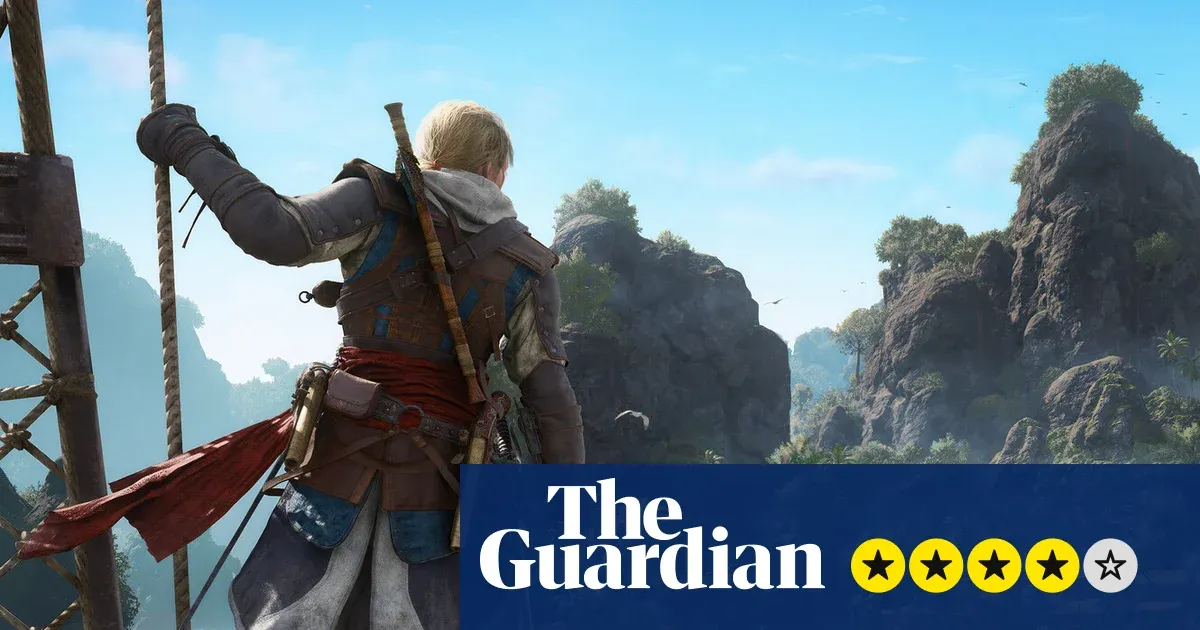
Ubisoft Singapore, working with Ubisoft, released Assassin’s Creed Black Flag Resynced for PS5, PC, and Xbox Series X/S, a remake of the 2013 pirate-themed game tuned for more swashbuckling. For decision-makers in games and licensing, the update highlights how cutting low-fun mechanics can materially shift audience satisfaction and perceived value.
PS5, PC, and Xbox Series X/S get Assassin’s Creed Black Flag Resynced, and Ubisoft Singapore says the change is blunt: it’s now “20% more swashbuckling” after removing “all the boring parts of pirate life” from the pirate fantasy RPG. The headline stake is exactly what you expect, and it matters because it changes the core promise of the remake. This is not a preservation project trying to polish everything. It is a refocus project trying to eliminate the stuff that makes players churn on long stretches between big moments.
That design decision lands right in the character’s DNA. Edward Kenway is “not your dad’s Assassin’s Creed protagonist.” He is neither bound to ancient oaths nor steered by noble destiny. Instead, he is framed as a coin-chasing, rule-dodging man who gets pulled into a far larger conflict mostly by accident. Ubisoft leans into that mismatch: the world is violent and chaotic, and the people around him are more obsessed with double-crossings than the kind of mission-driven seriousness you might expect from a storied franchise. Edward’s reaction is the secret sauce. He smiles, shrugs off the pressure, and keeps plundering on his own terms.
Put simply, Black Flag has always been about freedom more than formal purpose, and Resynced makes that freedom feel tighter. After Edward is shipwrecked with a man named Walpole, Walpole turns out to be a Templar. Edward then assumes Walpole’s identity, chasing the bounty Walpole mentioned and using that cover to keep moving. That plot setup is a mechanics promise as much as a narrative one. It gives the game a reason to stay opportunistic instead of dutiful. If your protagonist is built to dodge rules, then the game must also avoid “boring parts” that require patience, compliance, or long stretches of non-eventful travel.
This is where the 20% claim turns into something executives should care about: player retention often lives or dies on perceived pacing. When you remove the low-engagement filler loops and emphasize the high-frequency fun, you do not just make reviews happier. You potentially change how long users stay, how they progress, and how they talk about the experience. In a market where discovery is algorithmic and attention is expensive, pacing is a commercial asset, not a design flourish. Ubisoft’s approach signals that the remake’s differentiation comes less from deep reinvention and more from aggressive trimming.
There is also franchise gravity in play. Assassin’s Creed carries a specific expectation: assassins, Templars, and an overarching ancient war that fans can track like a story arc. The source makes clear that Edward’s involvement in that war is “quite by accident.” That is the comedic and strategic tension. It allows the game to keep the established conflict in the background while foregrounding the more personal incentives Edward cares about: coin, identity, survival, and leverage. Ubisoft Singapore is basically taking the franchise’s lore engine and letting the protagonist drive the steering wheel.
From a regulatory and rights perspective, the source does not mention regulators, but the second-order implications are still real for publishers. Remakes and re-releases usually require careful navigation of content rights, platform compliance, and distribution rules, particularly when changes alter gameplay structure and how systems are presented. Resynced is being offered on current-gen hardware, PS5, PC, and Xbox Series X/S, which typically means teams also have to ensure the experience meets platform expectations around performance, store presentation, and user experience. Even without new legal controversy, the business risk shifts. The risk is not “will this be playable?” It is “will it feel worth buying again?” Removing boredom is a direct attempt to answer that question.
For boards, investors, and studio leadership watching the broader gaming ecosystem, the broader lesson is about product-market fit in sequel and remake land. Resynced is a reminder that the biggest upgrades might be subtraction. Instead of layering complexity, Ubisoft Singapore is trimming the pirate lifestyle to keep the fantasy agile. That can influence how stakeholders evaluate future budgets: when internal teams argue for “more content,” this kind of makeover offers an alternative. Sometimes, the best upgrade is eliminating the parts that break flow.
If you are running a studio or funding one, the strategic stake is clear. Players have options, and the Assassin’s Creed brand is not immune to pacing fatigue. Resynced tries to protect the addictive core, the sense of freedom, by making sure Edward Kenway’s world stays violent, chaotic, and full of double-crossing without padding. In other words, the remake is not asking you to appreciate pirate life. It is asking you to steal it, savor it, and move on to the next plunder before the fun runs out.
This story's Key Insights and Take-aways are locked.
Create a free account to unlock Executive Actions for one credit.
Register to UnlockAlways free for Executives Club members. Join the Club
More in Entertainment

Russell Brand's accuser 'bewildered and confused' as he denies 7 sex charges
The criminal case against the comedian is a live test of how media companies manage talent risk when serious allegations go public.

'It's a Magic Trick': Ballet Experts Say Rosalía's SNL Pose Is Impossible
Three ballet experts tell Rolling Stone Rosalía's gravity-defying SNL stillness shouldn't be possible - and why the debate is now part of the show.

Activision CMO: GTA 6 Will Boost Call of Duty, Not Bury It
Activision's top marketer says Rockstar's blockbuster will drive players back to consoles and into Modern Warfare 4, even as the company admits its recent strategy failed.