

Astral Systems raises £23M to scale cancer isotopes using fusion
A Bristol fusion startup is already running reactors and earning revenue, betting capital on medical isotopes now.
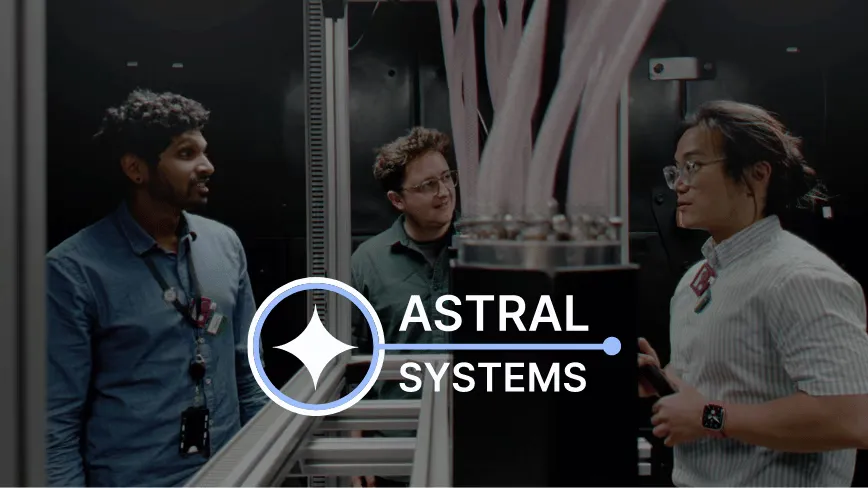
Astral Systems, a Bristol fusion company, raised £23M to scale medical isotopes used in cancer scans. The round is backing a rare fusion bet: systems that already run reactors and generate revenue, not just promises for later.
Astral Systems, a Bristol fusion startup, just raised £23M to scale the cancer isotopes that cancer scans depend on. The funding matters because it is not a generic “fusion someday” pitch. According to the source, Astral Systems is already running reactors and earning revenue, which flips the usual timeline that most fusion startups rely on to survive.
In other words: the company is raising money to expand production of medical isotopes now, rather than waiting for clean power in a decade or two. That is the central tension in the story, and it is why this round will interest decision-makers beyond the fusion niche. If you can build and scale an isotope supply chain with working hardware and existing cash generation, the market conversation shifts from “technology risk” to “manufacturing, quality, and throughput,” which are a totally different class of problems.
Fusion in the public imagination often gets treated like a single end goal: clean power. The source makes clear that most fusion companies are effectively selling that endgame, promising electricity in a decade or two. Astral Systems is trying something different. Instead of positioning its reactors mainly as eventual grid assets, it is tying fusion capability to a medically essential application that already has demand and a defined use case. Cancer scans depend on isotopes, and that dependence creates a buyer-side urgency that power markets typically do not offer on the same schedule.
This funding also highlights why investors and boards care about “revenue-backed” hardware early. The source says Astral Systems is a rare fusion company that already runs reactors and earns revenue. In startup finance, revenue does not eliminate risk, but it changes how you price it. It suggests the company is past at least some of the early engineering and deployment hurdles and has moved into operational learning. For boards, that can mean more predictable unit economics discussions, because there is something tangible to underwrite: operational performance, reliability, and the economics of isotope production.
The regulatory framing is a key second-order issue for a medical-isotope strategy. Isotopes used in cancer scans are not just industrial inputs; they live in a world of safety, handling, and approval expectations. While the source does not list specific regulators or regulatory steps, it implicitly draws a line to a more mature regulatory environment than “future energy.” That difference matters to the capital allocation question behind the round. Medical applications generally come with stricter standards, which can slow scaling. But those same standards can also create barriers that competitors struggle to clear, once a supplier is qualified and trusted.
Second, there is the strategic optics problem fusion companies face. The sector has plenty of capital, plenty of prototypes, and plenty of timelines that keep getting pushed out. The source points out that most fusion firms promise clean power later. Astral Systems is not only pursuing an alternative application, it is being funded in a way that signals investors are willing to bet on near-to-medium term traction, not just technological plausibility. That could influence how other fusion investors evaluate the portfolio: not whether fusion works, but where it can be monetized with real demand.
Then there is the operational and manufacturing challenge that comes with scaling isotopes. Even if reactors are running and revenue exists, scaling medical isotope supply is a throughput game. You need consistent output, reliable production cycles, and the ability to meet demand without compromising the quality that medical use requires. The £23M round is described as intended to scale. That word carries weight: it implies the company believes it can translate working reactors into larger volumes of isotopes tied to cancer scans.
For executives and boards watching this space, the stake is broader than one startup’s fundraising headline. Fusion capital markets are competitive, and narratives are everything. A company that is already earning revenue while scaling a high-need application can become a reference case, shifting partner expectations and investor diligence criteria. If Astral Systems can make its medical-isotope path work, it offers a different template for fusion strategy: monetize capability through demand that already exists, while other teams keep selling a future that may still be years away.
This story's Key Insights and Take-aways are locked.
Create a free account to unlock Executive Actions for one credit.
Register to UnlockAlways free for Executives Club members. Join the Club
More in Business

A flaw in PHP just forced governments to pull their own sites offline
European agencies from Belgium to Germany took websites dark to patch a critical weakness in the language behind almost 70% of the web, and the blast radius extends far beyond government portals.

BioWare shuts down, Mass Effect 5 dead after $55B EA buyout
The legendary RPG studio's closure lands months after a $55 billion investment group buyout of EA, raising tough questions for gaming's biggest acquirers.
Musk weighs Tesla-SpaceX mega-merger as boards form review panels
Special committees at both companies will examine a tie-up that could fuse electric vehicles and space launch, forcing a fresh look at governance and valuation.