

Asus ROG Swift 32-inch 4K QD-OLED drops $400 to $899.99 at major retailers
A $1,299.99 monitor deal is live at Amazon, Best Buy, and B&H, with key gaming and burn-in controls.
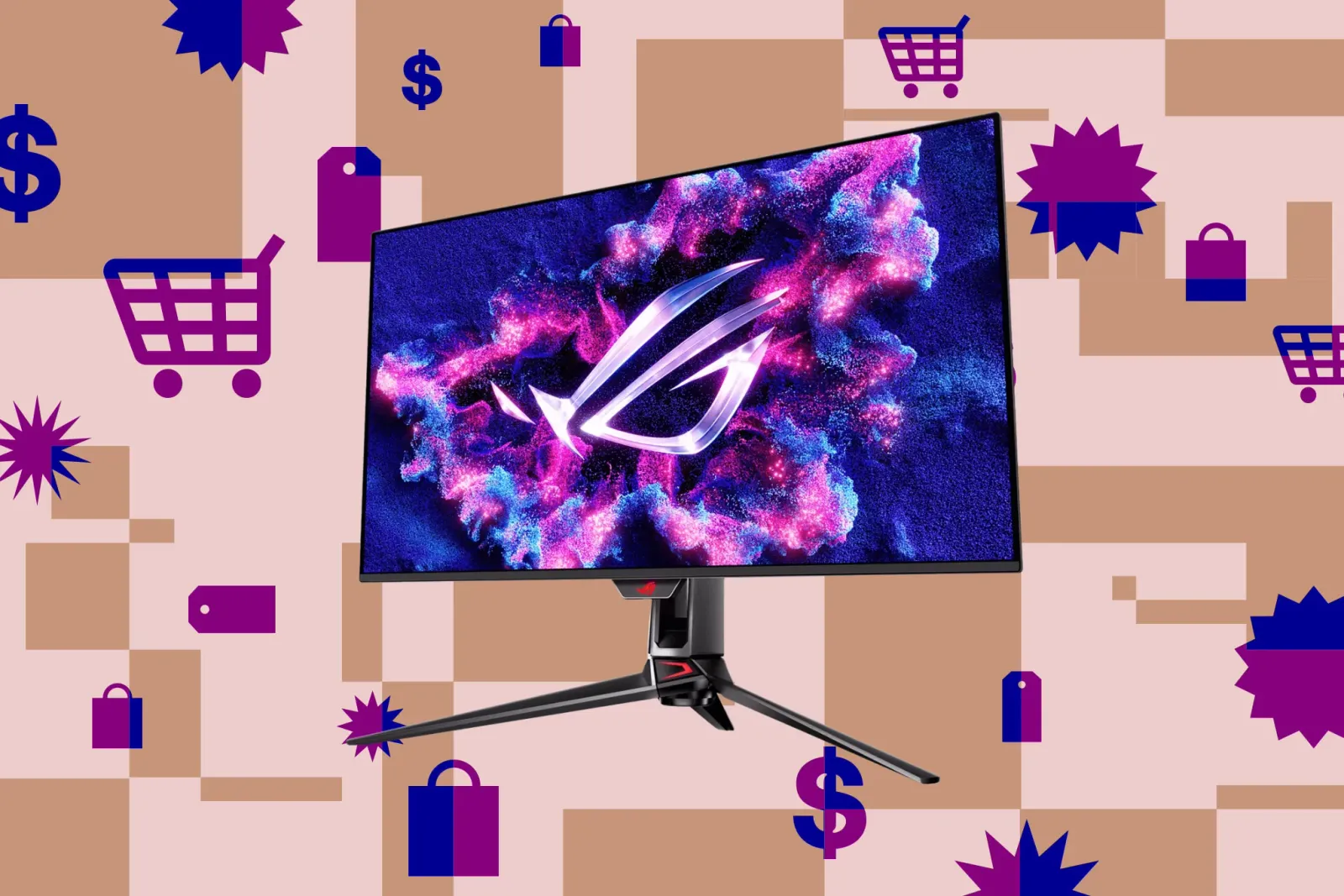
Asus’ ROG Swift 32-inch 4K QD-OLED gaming monitor (model PG32UCDMR) is on sale for $899.99 at Amazon, Best Buy, and B&H Photo, down from $1,299.99. For decision-makers, the question is whether this pricing move signals demand pressure before Asus leans harder on its newer, higher-end Tandem QD-OLED model.
Asus’ ROG Swift 32-inch 4K QD-OLED gaming monitor (PG32UCDMR) is $400 off, priced at $899.99 at Amazon, Best Buy, and B&H Photo. The “usually $1,299.99” anchor matters because this is a true premium-monitor discount, not a token markdown. The Verge notes the deal has been available at this price for most of July, but also flags that there is no guarantee it sticks around.
Why should anyone care beyond gamers? Because this is QD-OLED at a price point that starts to feel like “buy now, regret later” territory for a category that usually lives in enthusiast land. The monitor is built for fast action: it pairs a QD-OLED panel known for inky black levels and vivid colors beyond typical LCD screens with a 240Hz refresh rate and G-Sync variable refresh rate to reduce screen tearing.
Under the hood, the spec story is also unusually complete for a gaming display. The port selection includes a DisplayPort 2.1 input, two HDMI 2.1 ports, and USB-C for video via DisplayPort alt mode, with 90W of charging power. There is also a USB 3.2 Gen 1 hub with three Type-A ports. For workstation-adjacent buyers, that means fewer cables and fewer docking compromises, especially if you are using a laptop and want both charging and display through USB-C.
Asus also built in a practical risk-control feature: a proximity sensor that powers the display down when you walk away. The point is straightforward. OLED panels can be susceptible to burn-in, especially when static content sits on screen for long periods. The Verge reports that this and several other Asus OLED monitors use the sensor to reduce burn-in risk. Even better for buyers who are thinking in terms of total ownership cost, the monitor comes with a three-year warranty that covers burn-in with normal use.
Now zoom out to what this kind of discount usually means in hardware. The Verge suggests Asus may be trying to move units at a discount to put more focus on its newer $1,299.99 model. That newer model has a Tandem QD-OLED display and slightly better specs. Whether you buy the newer version or not, the strategic implication is clear: Asus is managing two products that overlap in audience, and pricing is part of how it prevents internal cannibalization while still unlocking demand.
This is happening in a broader context where display buyers increasingly treat “gaming monitor” and “creator-friendly monitor” as the same purchase. QD-OLED is popular precisely because it can deliver contrast and color that LCDs struggle to match without trading off other characteristics. But the buying decision often becomes a calculus of risk, warranty confidence, and how well the monitor integrates into a desk setup. The proximity sensor and burn-in warranty directly address that anxiety, while the 240Hz and G-Sync support reward buyers who actually care about motion clarity.
For the executive and operator brain, the interesting angle is demand timing. The Verge says the monitor has been at $899.99 for most of July, but is unsure how long the deal will last. Deals like this can serve as market tests, inventory clearing, or a bridge to a refresh cycle. If Asus can pull forward purchases on the outgoing configuration, it can preserve margins and attention for the incoming Tandem QD-OLED flagship.
Finally, if you are a decision-maker advising teams, customers, or partners, remember the meta-point: display pricing moves are signals about how companies prioritize product lines. Even when the headline reads like consumer retail, the underlying strategy is portfolio management. Asus appears to be using a $400 discount to accelerate adoption of a proven spec package, while steering serious buyers toward a higher-priced, newer variant. Other brands in the category will watch the same lesson: the market wants premium performance, but it also wants burn-in reassurance, smart power features, and connectivity that fits modern desks.
This story's Key Insights and Take-aways are locked.
Create a free account to unlock Executive Actions for one credit.
Register to UnlockAlways free for Executives Club members. Join the Club
More in Entertainment

12TB Steam 'teraleak' goes beyond Valve: GTA 3, Mafia 2 prototypes exposed
A 12-terabyte dump of Steam data reveals prototypes and builds of third-party classics like GTA 3 and Mafia 2, plus unreleased Valve content, rewriting game history.

LinkedIn's romance problem: 1 in 4 workers say dating on it is fair game
A new survey shows a quarter of U.S. employees treat the professional network as fair game for romance, even as LinkedIn bans it and removes hundreds of thousands of offending posts.

Enhypen's first No. 1 album breaks K-pop's Billboard 200 streak
The K-pop group's 98,000-unit debut tops the chart while Dolly Parton's catalog reentry shows how death reshapes streaming.