
Attack on Titan 3 lets players change the ending, starting Summer Game Fest 2026
Koei Tecmo’s new Attack on Titan game is built to turn the series’ most divisive ending into player-controlled fate.
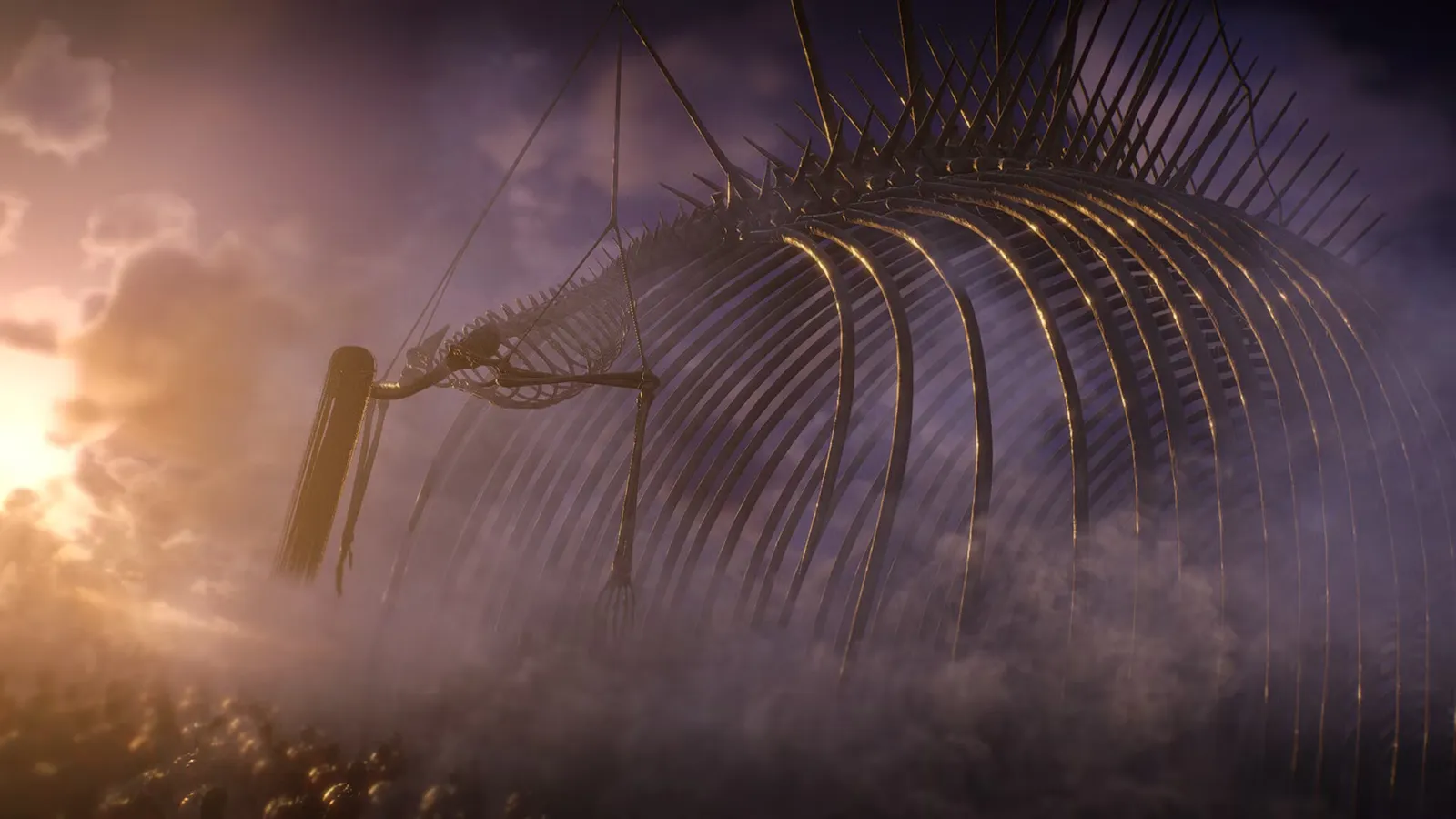
Koei Tecmo’s upcoming Attack on Titan 3 was announced at Summer Game Fest 2026, with a trailer unveiling a fully immersive game covering Hajime Isayama’s entire manga story. For decision-makers, it signals how premium anime and manga IP is evolving into interactive experiences where “ending satisfaction” becomes a design lever.
Attack on Titan 3 is arriving with a specific pitch that will matter to anyone who cares about how fan debates get monetized: the game will give players a chance to change the ending. Koei Tecmo announced the title at Summer Game Fest 2026, and the framing is direct. Instead of asking players to watch the fall of Wall Maria like everyone else, it aims to let them experience that moment firsthand and then keep pushing through to the series’ climactic final battle.
The stakes are obvious if you have even a passing memory of Attack on Titan’s manga and anime afterglow. The original storylines were described as polarizing, even among longtime fans. Three years after the anime’s finale and eight years since the last video game release, this new game is positioned as the “fully immersive experience” fans have been waiting for, but with a twist: rather than locking everyone into a single canon outcome, it bakes in the possibility that the ending does not have to be identical for every player.
Now zoom out to the business side for a second. When a franchise has a polarizing conclusion, it creates a very specific kind of audience behavior: people are already invested, but some are dissatisfied. That is a tough market to serve with pure retelling, because retelling mostly reproduces the same emotional outcome. By contrast, giving players agency over the ending turns dissatisfaction into participation. You can argue this is not just a creative choice, it is a distribution strategy for attention and repeat sessions. It also helps explain why the timing is being handled like a major event. Summer Game Fest 2026 is a high-velocity attention marketplace, and a trailer at that venue is a way of saying: this is not a side project for small communities. This is aimed at pulling in both the core fandom and the larger games audience that likes “what if” outcomes.
The content scope Koei Tecmo is promising also signals where the investment is going. The game is described as incorporating the entire story of Hajime Isayama’s groundbreaking manga. It is set up to let players witness the fall of Wall Maria firsthand, then fight their way through to the series’ climactic final battle. That matters because it implies more than one-off missions. It suggests the kind of full-arc structure that typically requires significant narrative tooling, worldbuilding coherence, and asset scale. In other words, this is not merely “Attack on Titan, but interactive.” It is framed as a comprehensive retelling that tries to unify the manga’s big plot beats into something playable.
For studios and publishers, this is where the incentives get interesting. High-profile anime and manga tie-ins used to win on brand recognition. Now, the bar is “brand plus agency.” If you are sitting on the board or running product strategy, you want to understand whether interactive reinterpretation can reduce churn. Players who might have bounced off a divisive ending in the original media now have a reason to stay: they can run alternative outcomes through their own play choices. This has second-order effects on how you market the product. The hook is no longer only “from the anime.” It is “from the anime, but with player-controlled consequence,” which is the kind of messaging that works across demographics, from superfans to newcomers.
There is also an implied lesson for any executive tracking the animation-to-game pipeline. The source points to a long gap: three years removed from the anime’s finale and eight since the last video game release. Long gaps can weaken relevance, but they also allow a franchise to become an “event” again when the next major product finally lands. Announcing Attack on Titan 3 at a big stage like Summer Game Fest 2026 helps re-stack that attention. And by targeting a key moment like the fall of Wall Maria early in the experience, the game can quickly convert interest into engagement. That kind of early payoff is critical when you are asking players to commit time to an entire story arc.
Finally, the competitive implication for other IP-based game makers is simple but serious. If a mainstream franchise’s ending is polarizing, the industry has a new way to metabolize that controversy. Instead of treating it as reputational gravity, developers can treat it as a design challenge. Attack on Titan 3 appears to be responding directly to that problem by offering players a chance to change the ending. For executives evaluating the next wave of narrative games, this is a reminder that “what players do” can be the product, even when the franchise is built on “what characters did” in a fixed story.
If you are a CEO, CPO, or board member watching where narrative games are heading, this title is worth tracking for one clear reason: it turns fan debate into interactive choice. Whether it succeeds will come down to how well the game makes that choice feel meaningful across the full journey from Wall Maria to the climactic final battle. But the direction is already visible, and it is the kind of pivot that can reshape how the biggest IPs are translated into games.
This story's Key Insights and Take-aways are locked.
Create a free account to unlock Executive Actions for one credit.
Register to UnlockAlways free for Executives Club members. Join the Club
More in Entertainment

Entertainer Russell Brand denies 7 sex charges amid accuser's 'couldn't breathe' claim
The alleged victim's account sharpens the reputational and legal stakes for Brand, his platforms, and any business tied to a public figure under criminal scrutiny.

Russell Brand's accuser 'bewildered and confused' as he denies 7 sex charges
The criminal case against the comedian is a live test of how media companies manage talent risk when serious allegations go public.

'It's a Magic Trick': Ballet Experts Say Rosalía's SNL Pose Is Impossible
Three ballet experts tell Rolling Stone Rosalía's gravity-defying SNL stillness shouldn't be possible - and why the debate is now part of the show.