
AWS’s Matt Garman: half of white-collar jobs may change, not get wiped out
Garman argues AI will shift roles, while Amazon expands early-career hiring to prepare for that change.
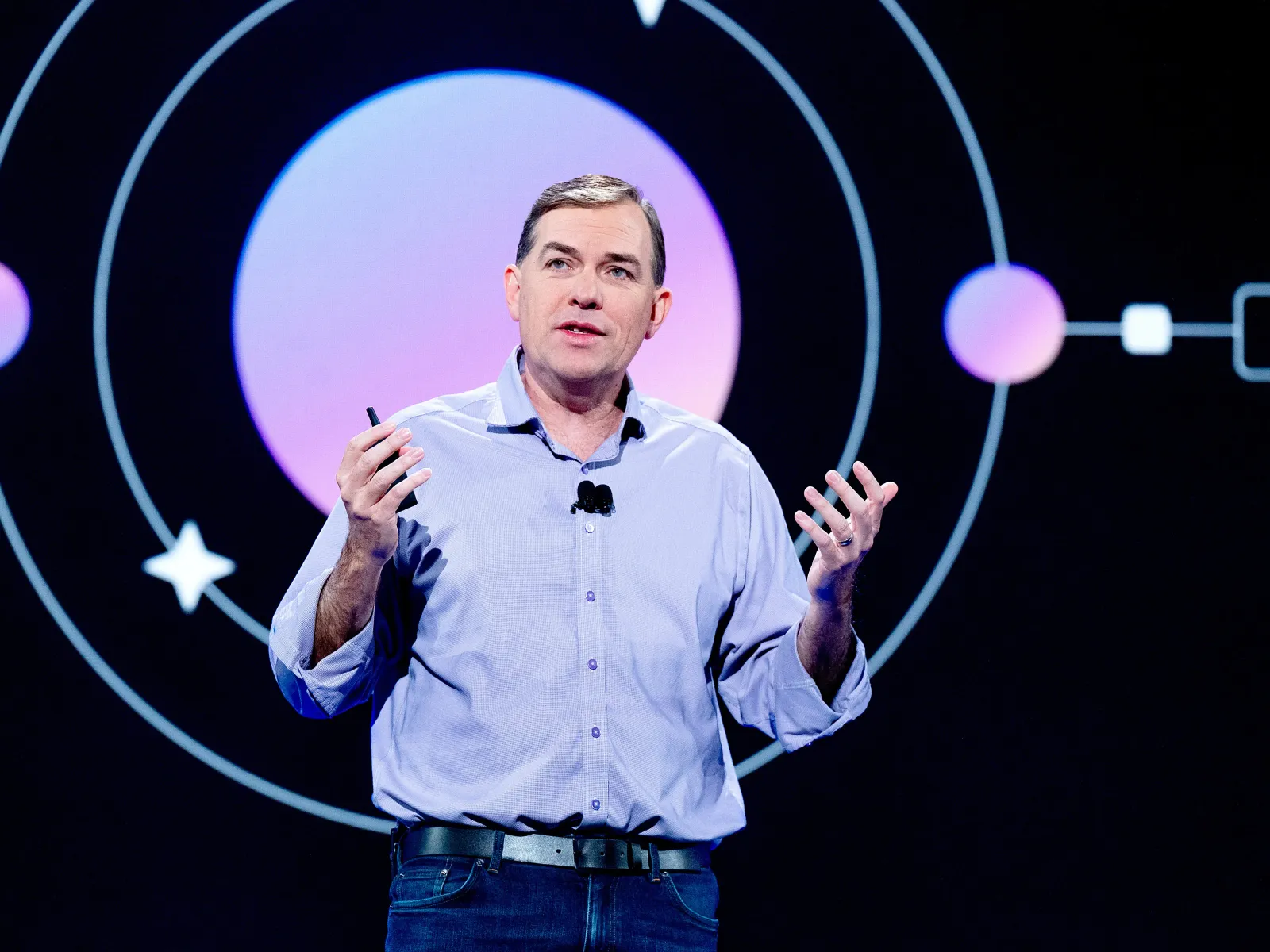
Matt Garman, CEO of Amazon Web Services, says AI will transform work and that half of white-collar jobs may change rather than disappear. For decision-makers, his framing is a direct counter to job-elimination fears and a signal about how Amazon is staffing for the AI era.
Amazon Web Services CEO Matt Garman is drawing a line in the AI job debate, and he is doing it with specific language: he says half of white-collar jobs "may change" because of AI, but it will not be a "wipe out." On the Platformer podcast episode released on Tuesday, he made the distinction bluntly: “Wipe out and change are different.”
He also immediately attacked the mental model that drives doomsday predictions. Garman argued people sometimes look at a “still picture” of work and conclude, “that job's not going to exist,” so “those people won't have jobs.” His point is that AI reshapes tasks and workflows, which can create entirely new roles. He says “New jobs will be created,” and that the job landscape will move even if some old tasks shrink.
That message lands in a high-stakes arena: employers are under pressure from two directions at once. On one side, employees and the public worry that automation and AI systems will reduce demand for junior, “white-collar” work. On the other, companies need to keep moving fast because AI capabilities are being integrated into products and internal operations right now, not someday. Garman’s framing tries to resolve this tension without pretending disruption is painless. “Wipe out” is the catastrophe version; “change” is the transition version. The difference matters because it affects hiring, training budgets, and how leadership communicates risk to employees.
Garman’s real-world argument is staffing, not slogans. He emphasized the value of entry-level employees as Amazon hires more than 11,000 software development engineering interns and early-career software development engineers globally this year. He linked that hiring to the characteristics of early-career talent: they are “the cheapest to hire,” they can be taught a company’s culture, and they are often eager to learn new tools. He also said, “They're some of the very best employees you can possibly have,” and described the energy junior workers bring, including “energy and excitement” and “a new view on things.”
He warned against relying too heavily on the same people “you've had for the last 15 years,” arguing that repeating past staffing patterns can limit the fresh ideas and momentum needed in a changing technical environment. That is important, because when leadership only optimizes for today’s org chart, AI transitions can become a treadmill: teams try to patch existing workflows instead of redesigning them. Garman’s approach implies that the pipeline for new skills is as strategic as the AI models themselves, because the models still have to be operationalized, integrated, and governed.
This is where the second-order implications show up for boards and executives. If you accept that AI changes roles rather than erases them, the workforce plan shifts from “how many jobs disappear” to “how quickly roles evolve and who can learn fast enough.” Garman said workers willing to learn new skills will continue to have jobs, even if the job titles and day-to-day tasks look different. He pushed the time horizon too: “If you look at what your job was two years ago, and you look at what your job is going to be in two years, it's going to be vastly different.” In his view, the direction is not doom, but also not status quo. He adds, “you're going to have a job - you're going to have probably a more exciting and interesting job. But you're going to have to be willing to learn.”
He even suggested a hiring philosophy that tilts away from narrow expertise and toward learning agility. “I actually think one of the things we start to look for in employees is not what skill set you have,” he said, “but whether you have the ability to learn.” For executives, that can become a hiring and retention metric as much as a cultural statement. It also hints at how companies may respond to AI-era scrutiny, including workforce impact narratives regulators and lawmakers often care about: the operational response is training, internal mobility, and role redesign, not just headcount reduction.
Now, the regulatory background is the quiet pressure behind all of this. In many markets, policymakers are increasingly focused on the real-world effects of AI, including employment disruption and the fairness of automation impacts. Even when regulation is not directly about staffing, it influences how public companies talk about risk, how they document governance, and how they justify strategy to stakeholders. Garman’s emphasis on “new jobs” and learning readiness gives Amazon a defensible storyline: transformation, not elimination.
For peers, the stakes are straightforward. Your investors and employees will ask whether AI is a productivity engine or a jobs hazard. Your board will ask whether your workforce strategy matches your AI rollout timeline. And your teams will ask whether leadership is planning for capability building, especially at the entry level, or hoping AI adoption magically avoids organizational disruption. Garman’s message is clear: expect “change,” invest in learning capacity, and do not assume that because a task evolves, work disappears.
This story's Key Insights and Take-aways are locked.
Create a free account to unlock Executive Actions for one credit.
Register to UnlockAlways free for Executives Club members. Join the Club
More in Technology

Nvidia's $89B data center quarter: the 9 companies cashing in
The AI buildout is minting fortunes beyond GPUs, and memory, cloud, and cooling suppliers are riding the same wave.

Google quietly links your phone number to every Android account on your SIM
Adding a SIM now ties your phone number to all Google accounts - and future accounts inherit it. Here's the security and privacy stakes.

Hijacker AI 'Skynet mode' runs 100,000 attack steps against exposed models
Symantec caught a criminal AI agent that borrows other models, steals data, and mines crypto; the only relief is no confirmed victims yet.