
Badenoch pushes Burnham to condemn defence plan as No 10 says funding is credible
MPs fear road-project cuts are the “poisoned chalice” trade. The argument behind the cash shift is now out in the open.
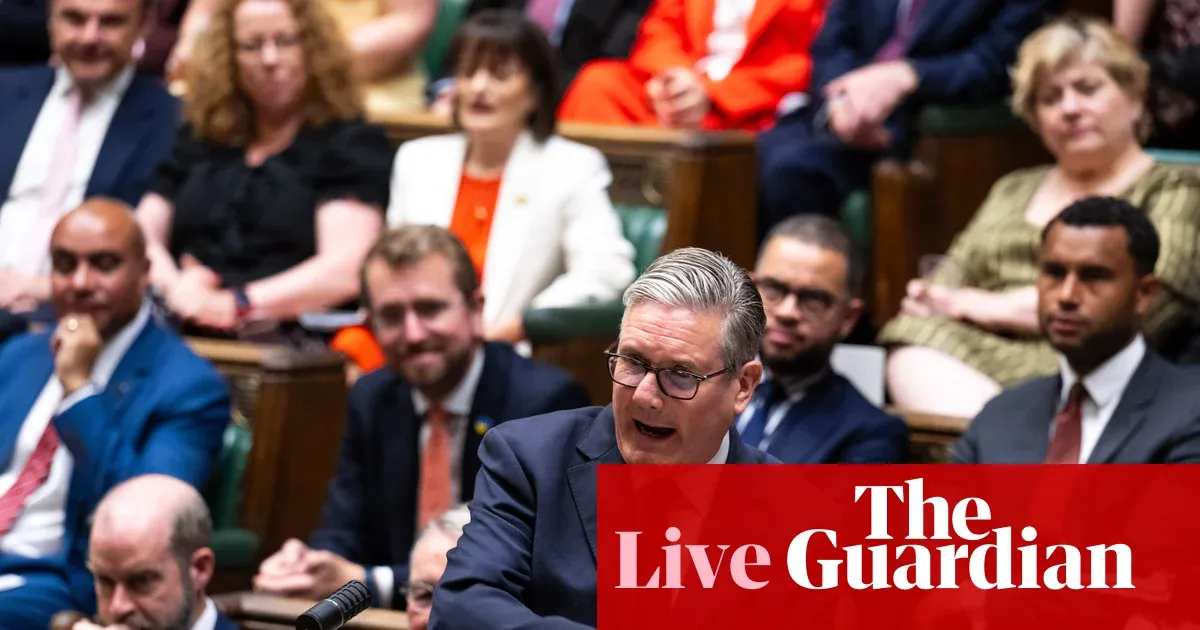
Kemi Badenoch urged Andy Burnham to condemn the defence investment plan, as No 10 said the funding is “credible”. MPs and ministers raised alarms that the plan could divert money from road projects they say are badly needed.
A political fight over who pays for Britain’s security has moved from briefing-room whispers to frontline anger. Kemi Badenoch urged Andy Burnham to condemn the defence investment plan, while No 10 insisted the funding is “credible”. At the same time, ministers and MPs said the “poisoned chalice” approach would pull cash from much-needed road projects, leaving transport priorities worse off.
That tension matters because it is not just about two budgets. It is about what kind of state Britain is choosing to fund, and which promises get broken first when money gets tight. The source also captures the counterweight in the debate: Dan Jarvis, the new defence secretary, defended Burnham’s role, calling Andy Burnham a “true patriot” who would provide the resources needed to maintain Britain’s security when he becomes prime minister. Jarvis made that case on a visit to a factory in Cambridge.
Jarvis’s argument is built around the sequencing of power and spending. He said he has known Andy Burnham for more than 15 years and described him as a true patriot. He then tied the defence funding question to the next spending review, saying they will ensure, “in the context of the next spending review”, that the resources needed to keep the country safe are there. The underlying claim is that the defence investment plan is not a one-off scramble, but a budget commitment that can be matched with future fiscal decisions.
But that is exactly what critics are challenging. The source says ministers and MPs are raising concerns that the plan will take cash from road projects, including a claim that there are cuts to road projects to fund the defence plan. In other words, the dispute is about trade-offs: if defence spending rises, what gets crowded out? Roads are not just a pet priority. They are a core part of economic capacity and regional connectivity, and they often sit close to the political fault line between long-term investment and short-term pressure.
In political terms, the “poisoned chalice” framing signals a worry about sustainability and optics. A policy can be well intentioned, yet still end up hollowing out other priorities that are politically harder to defend. For decision-makers, the immediate risk is that the defence narrative becomes associated with cuts elsewhere, even if later spending reviews might rebalance. The second-order effect is that infrastructure planners, supply chains, and contractors who are used to multi-year project pipelines can face uncertainty when funding streams look like they are being redirected.
To understand why this matters beyond Westminster, think about how government capital projects tend to work. Road projects depend on schedules, procurement, and financing assumptions. When budgets are shifted, the effect is rarely contained to a single line item. It can ripple into contract timing, workforce planning, and the procurement ecosystem that builds, designs, and maintains transportation assets.
Meanwhile, defence investment has its own set of constraints. Defence capabilities are not just purchases. They require readiness, technology roadmaps, training, and long-running maintenance. The political argument in the source is about meeting “the kind of capabilities that are required given the nature of the world” the UK operates in. In that framing, defence spending is presented as a response to external risk, not a discretionary preference.
So the current moment becomes a clash of fiscal philosophies. No 10 says the funding is “credible”, which is a specific rebuttal to the idea that promises will fall apart before implementation. Burnham, through the defence secretary’s comments, is positioned as someone who will make sure “we have the resources that we need” for security. But ministers and MPs are still worried about the immediate budget mechanics, the possibility that transport investment gets reduced now to pay for defence investment.
For executives, boards, and investors watching UK public spending, this is the kind of story that can quietly move markets. Even without new numbers in the source, the direction of funding and the credibility of future spending decisions can affect which sectors see demand and which face delays. If infrastructure projects are perceived to be on the chopping block, construction and engineering timelines can wobble. If defence is perceived to be protected or expanded, defence-adjacent supply chains and capability-focused spending priorities gain political tailwinds.
At the strategic level, the key stakes are legitimacy and execution. If ministers and MPs believe the plan is a “poisoned chalice”, they will push for safeguards, ring-fencing, or reassurances about road funding. If No 10 and Jarvis believe credibility is proven through the next spending review, they will emphasize fiscal planning and readiness for implementation. Either way, the debate is already shaping expectations for how money will be allocated under the next government and the constraints that will define what is possible. That makes it more than party drama. It is an early signal of how trade-offs will be managed once control shifts and the spending review becomes the proving ground.
This story's Key Insights and Take-aways are locked.
Create a free account to unlock Executive Actions for one credit.
Register to UnlockAlways free for Executives Club members. Join the Club
More in Politics

Glacial collapse, not rain, killed 180 in Nepal's Himalayan flood
The Himalaya's extreme geography hid the true cause of Nepal's catastrophic flood, a glacial collapse that turned a geological battleground into a mass-casualty zone.
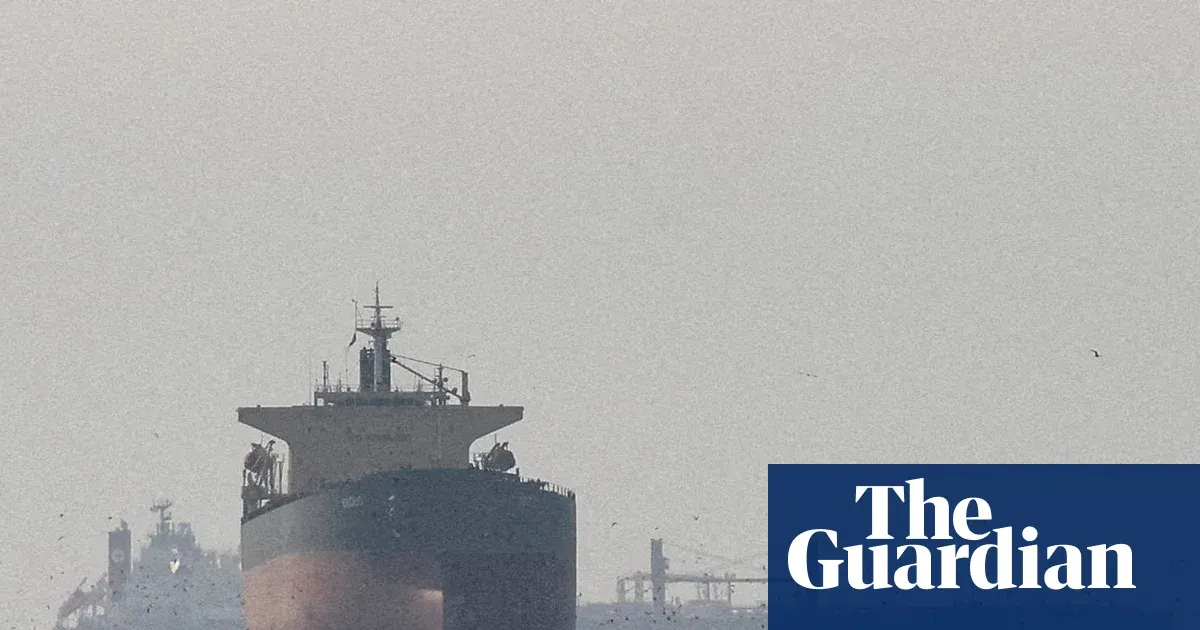
Iran’s Esmail Baghaei says Oman talks start shipping via Hormuz, not US talks yet
Temporary route plans with Oman aim to restart commerce while Tehran says Washington dialogue is not on the table.
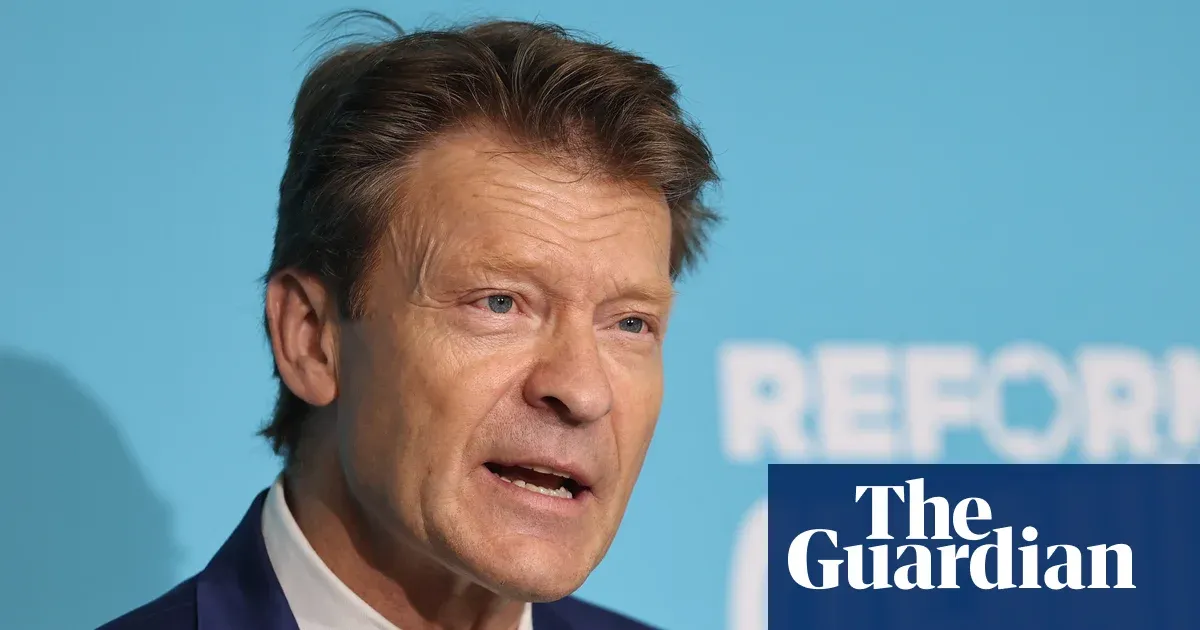
Standards watchdog opens probe into Reform UK deputy leader Richard Tice over interests
The parliamentary standards commissioner says it began an investigation on 28 July into a possible undeclared interest.