
Baldur's Gate 2 remake reportedly in motion, ahead of a planned fourth chapter
The Larian-Wizards handoff is getting real, and decision-makers should map the sequel pipeline and IP expansion risk now.
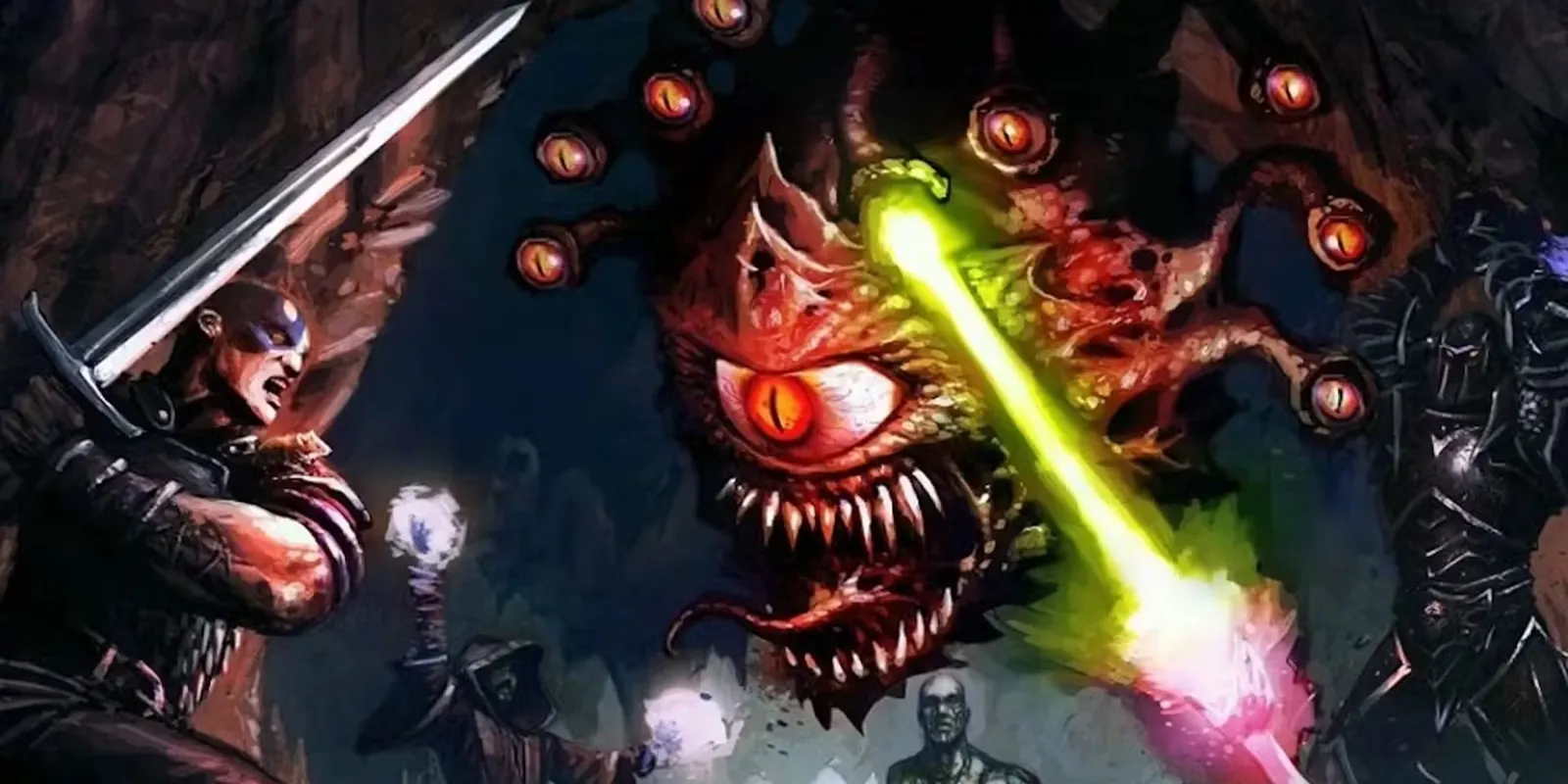
A Baldur's Gate 2 remake is reportedly happening as Wizards of the Coast continues leaning into the Forgotten Realms after Larian Studios moved on to Baldur's Gate 3. For decision-makers, the consequence is clear: Wizards is treating Baldur's Gate as a long-term franchise platform across games, TV, and publishing.
If you thought Baldur's Gate was “done” after Larian Studios finished Baldur's Gate 3, a reported Baldur's Gate 2 remake should snap that assumption in half. The news matters because it signals Wizards of the Coast is not just passively licensing an old hit. It is actively re-staging the franchise. And doing it “ahead of a planned fourth chapter” makes the timing feel like a deliberate production runway, not a random nostalgia play.
Here is what we can say from the source with confidence: Larian Studios has moved on from the franchise after Baldur's Gate 3. Meanwhile, Wizards of the Coast has shown no signs of leaving the Forgotten Realms behind. In other words, the creative torch is no longer with Larian, but the IP ambition is still very much alive, and now the reported remake adds another rung to the ladder.
Zoom out and the franchise strategy looks less like a single game and more like an ecosystem. Earlier this year, it was announced that HBO is developing a live-action television adaptation continuing the story of Baldur's Gate 3. In parallel, Penguin Random House has begun expanding the setting through a new line of books, including an upcoming story centered on fan-favorite companion Astarion. Those are three different distribution channels, with different audiences and different economics. Yet they all point to the same central bet: Wizards sees Baldur's Gate as more than “a successful video game series.”
So why does a rumored Baldur's Gate 2 remake belong in the same conversation as HBO and Penguin Random House? Because remake decisions often do two jobs at once. First, they help refresh the audience funnel. Older entries get reintroduced in a way that is easier for new players, new platforms, and lapsed fans to re-enter. Second, they can serve as staging work for what comes next. The source explicitly frames the remake as happening ahead of a planned fourth chapter. That suggests Wizards is trying to keep the brand conversation continuous while the next installment matures.
There is also a coordination angle that matters for anyone sitting in boardrooms or exec teams. When an IP spans studio-led game development, network-led television, and publisher-led book launches, the risk is not just creative quality. It is timing alignment. HBO's adaptation and Penguin Random House's book line do not move at the same speed as game development, and franchises rarely get to negotiate schedules with one another. A remake can act as a bridge asset in that environment, providing a fresh touchpoint during periods when the next “mainline” product is still in progress.
Now add the Larian factor. Larian Studios moving on after Baldur's Gate 3 changes the operational reality, even if it does not change the fan base. The franchise needs a maintenance plan once the original studio steps back. Wizards showing no signs of leaving the Forgotten Realms behind suggests that plan is being funded and resourced, rather than treated as a one-and-done licensing moment. In executive terms, this is the difference between a hit game that ends and an IP platform that compounds.
For decision-makers, the second-order implication is that franchise governance becomes a strategic function, not an afterthought. IP owners have to think about brand integrity across formats, but also about commercial sequencing. If HBO and books are already moving, then a remake can become the “center of gravity” for fan attention, which can spill into player sentiment for the next chapter. The source's lineup of moves does not just show activity. It shows coordination intent, built around recognizable characters like Astarion and continuing story threads from Baldur's Gate 3.
Finally, this is not only a Baldur's Gate story. It is a signal flare for how major fantasy IPs may be managed going forward. When an IP is big enough, the game is no longer the whole product. It becomes the origin point for a broader media strategy. That should be on the radar of executives, investors, and studio leaders everywhere, because franchise platforms can rewrite competitive dynamics. If Wizards successfully keeps the Forgotten Realms culture warm across remakes, TV, and books, it raises the bar for sustaining engagement without relying on a single game release cycle.
This story's Key Insights and Take-aways are locked.
Create a free account to unlock Executive Actions for one credit.
Register to UnlockAlways free for Executives Club members. Join the Club
More in Entertainment

Entertainer Russell Brand denies 7 sex charges amid accuser's 'couldn't breathe' claim
The alleged victim's account sharpens the reputational and legal stakes for Brand, his platforms, and any business tied to a public figure under criminal scrutiny.

Russell Brand's accuser 'bewildered and confused' as he denies 7 sex charges
The criminal case against the comedian is a live test of how media companies manage talent risk when serious allegations go public.

'It's a Magic Trick': Ballet Experts Say Rosalía's SNL Pose Is Impossible
Three ballet experts tell Rolling Stone Rosalía's gravity-defying SNL stillness shouldn't be possible - and why the debate is now part of the show.