
Bank of England stops accepting thermal coal bond-backed collateral from October
The regulator’s new collateral rule forces banks to rethink exposure to bonds tied to thermal coal.
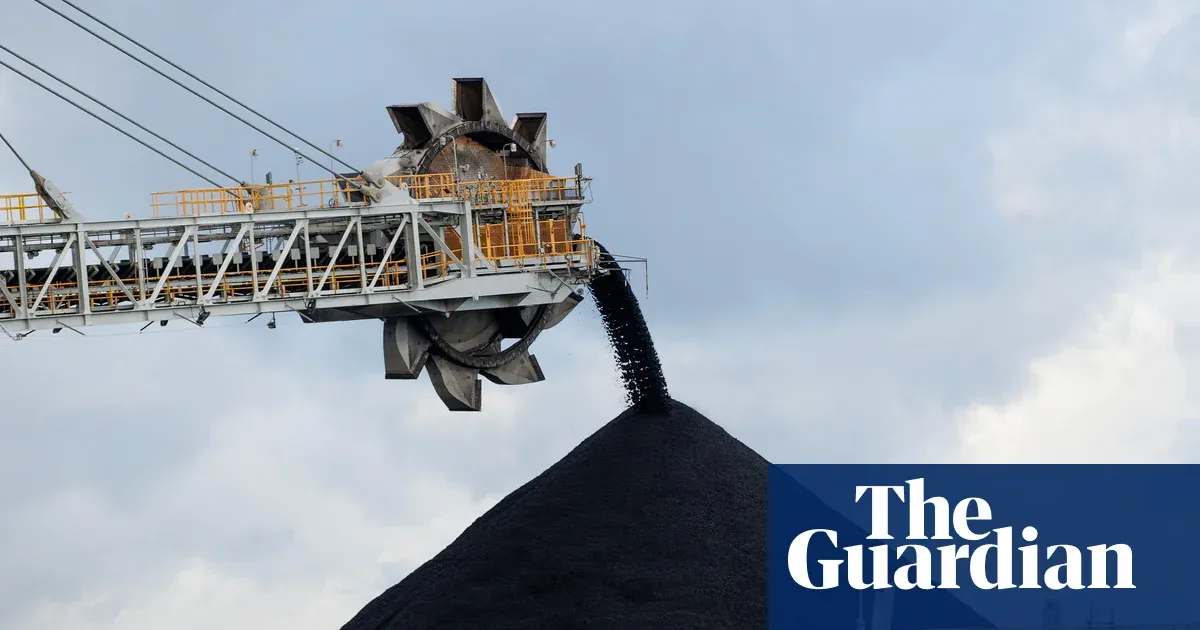
The Bank of England said it will no longer accept bonds linked to thermal coal for key loan arrangements, with the change taking effect in October. For decision-makers, the move raises the cost and complexity of holding coal-linked assets in the UK’s credit plumbing.
The Bank of England is drawing a line under thermal coal financing. It has said it will no longer accept bonds linked to one of the most polluting parts of the fossil-fuel system, for key loan arrangements, and the ban comes into force in October. Climate campaigners are calling it a victory, framing the decision as a fresh crackdown on thermal coal, which is burned in power plants to create electricity.
Here is the part that matters for anyone sitting on a balance sheet: if the central bank will not accept those bonds as collateral in its lending framework, commercial banks have to reassess whether they want to hold coal-linked paper at all. That is not just a moral win for activists. It is a change in the operational rules of capital access. Even if a bank still holds such assets for investment reasons, the collateral haircut, the liquidity profile, and the willingness of counterparties to treat them as “usable” can all get worse when the official gatekeeper changes what it will accept.
To understand why this creates pressure, it helps to picture how central bank lending works. The Bank of England uses loan arrangements that take collateral. Collateral is the stuff banks post to secure borrowing, and it is also a way for regulators and central banks to indirectly shape what kind of risk the system is willing to finance at scale. When a regulator says it will not accept a certain class of assets, it effectively reduces the set of tools banks can use when they need liquidity or want to optimize funding costs.
The source describes the ban as “a fresh crackdown on thermal coal.” Thermal coal is the category that gets burned in power plants to generate electricity. That matters because environmental policy debates often get tangled between different fossil-fuel slices, like coal mining, coal logistics, and electricity generation. By focusing on bonds linked to thermal coal, the Bank of England is targeting a specific emissions pathway: the link between coal-powered electricity and climate impact. For boards and risk committees, that specificity matters, because it translates activist pressure into something measurable and enforceable: eligibility for key loan arrangements.
This is also why campaigners are celebrating. The source says they “hope move will force commercial banks to rethink holding assets linked to the fossil fuel.” That is the core logic. Activists want to shift portfolios away from fossil-fuel exposure, but they typically cannot directly force every private institution to sell. Regulators, central banks, and lenders can. If bonds tied to thermal coal stop being useful for central bank funding, banks may face hard choices: reduce exposure, change holdings into collateral that remains acceptable, or accept less favorable funding conditions.
Market reality is that banks manage risk through a mix of regulations, internal models, and funding constraints. When collateral eligibility changes, the knock-on effects can show up in liquidity management and in how trading desks and treasury teams structure balance sheets. A bond portfolio can look fine on paper, but if it cannot be readily pledged in key arrangements, it becomes a “less efficient” asset. That is the kind of difference that can nudge investment committees even when their long-term convictions do not change.
For executives, there is also a governance angle. Climate-related rules have a way of turning what started as a strategy discussion into a risk and compliance conversation. Once the Bank of England changes collateral acceptance, it can turn climate exposure into a direct operational consideration. Boards that used to treat this as a reputational issue now have to treat it as part of funding resilience and collateral strategy. Treasury might need new policies. Risk might need updated concentration limits. Asset management might face questions about whether holdings are still aligned with how the institution wants to finance itself.
The second-order implication is competitive. In a crowded banking market, the institutions that adapt first can keep more flexibility in funding and collateral planning. Others may scramble later, when fewer assets qualify and the rebalancing window is narrower. October is not that far away. That timeline gives banks time to audit what they hold, understand which bonds are linked to thermal coal, and decide what to do next. But it also creates urgency, because the operational transition has to happen before the rule becomes effective.
If you are a CEO, CFO, or board member at a lender, the strategic stake is simple: this change can reshape the economics of holding coal-linked assets in the UK. The Bank of England has made a policy decision that directly affects what collateral the system will accept. Even if your institution has not treated climate bonds as a near-term funding issue, the eligibility switch forces the question: are your “good” assets actually usable when the central bank is the counterparty?
This story's Key Insights and Take-aways are locked.
Create a free account to unlock Executive Actions for one credit.
Register to UnlockAlways free for Executives Club members. Join the Club
More in Science

Alaska's 1,580-foot tsunami had warning signs. Scientists just found them.
Rapid glacier retreat, heavy rainfall, and thousands of tiny tremors preceded Alaska's 1,580-foot tsunami, a warning for every coastal community in a warming world.

The rare mutation that lets high-risk brains dodge Alzheimer's
Scientists found a natural defense against protein buildup, opening a new path to preventive treatments.

3,000 steps a day may halve Alzheimer's decline, study finds
New research links a modest daily walk to less tau buildup and nearly half the cognitive and functional decline, even for those with early signs.