

Bay Area home sellers ask for OpenAI or Anthropic stock, not cash
Even before either company goes public, the mere prospect is reshaping deal terms in San Francisco’s housing market.

In the San Francisco Bay Area, some home sellers are now requesting shares of OpenAI or Anthropic instead of cash, according to The New York Times. The development signals that pre-IPO expectations for these AI companies are already influencing real-world transactions, not just tech portfolios.
Even before OpenAI and Anthropic go public, they are distorting home sales in the San Francisco Bay Area. The New York Times reports a fast-growing oddity: some buyers are racing to buy, and some sellers are asking for stock from these AI companies instead of taking cash.
So the headline you should actually care about is this: a real estate deal in Silicon Valley is being priced, negotiated, and completed with equity that does not yet trade publicly. That is not a normal market quirk. It is a direct signal that expectations about these companies are spilling out of cap tables and into everyday balance sheets, including the most personal and capital-intensive purchase most people ever make.
To understand why this matters, zoom out to how pre-IPO dynamics usually work. When a high-growth company is still private, the shares are typically hard to value precisely because liquidity is limited and pricing can depend on the most recent funding round. In markets like the San Francisco Bay Area, where tech wealth is concentrated and dealmaking culture is dense, that uncertainty can turn into a willingness to accept non-cash assets in exchange for exposure to upside.
But housing is one of the least forgiving places to test those instincts. Home purchases are usually structured around tight financing rules, underwriting timelines, and the need for predictable settlement. If a seller demands OpenAI or Anthropic stock, the buyer faces a new question: how do you deliver value when the asset is equity in a company that is not yet public? The story describes a race dynamic, where buyers move quickly and sellers lean into the AI stock request. That suggests a market that is not just speculating. It is actively reallocating bargaining power.
This also changes the incentives inside the deal itself. Traditionally, a home sale is a cash flow event. Here, it becomes a cross-asset bet. Buyers may be willing to swap cash for shares because they expect future public-market access to unlock additional value. Sellers may be willing to trade away guaranteed cash because they believe they can convert an illiquid private equity claim into a larger payoff once OpenAI or Anthropic go public.
The second-order effect for decision-makers is that these requests can ripple through negotiations even when they are not formally accepted. Once one party proposes stock instead of cash, it can reset the perceived “fair value” of offers. Even if a deal eventually closes using conventional terms, the process can become more complex, with more parties asking whether other sellers will also accept equity, whether lenders will tolerate such structures, and whether deal timelines stretch.
There is also a regulatory and compliance angle, even though the Times piece focuses on the on-the-ground behavior, not policy changes. Public companies are generally easier to evaluate, hedge, and collateralize. Private shares, especially in companies that are approaching potential public listings, can trigger additional legal and operational considerations. Executives in finance and legal teams should treat this as a stress test of how quickly mainstream markets can absorb AI-driven capital preferences, before the underlying assets reach the transparency and liquidity of public trading.
Finally, the strategic stakes extend beyond home sales. When pre-IPO narratives begin affecting fundamental real-world markets, it tells you something about where momentum is concentrating. OpenAI and Anthropic are not just companies attracting investment. They are becoming reference assets, the way certain megacap stocks can become shorthand in other cycles. For boards, CFOs, and investors, the takeaway is not that every transaction will demand AI stock. It is that expectations are already powerful enough to change bargaining terms in places that normally move on cash and credit.
If you are an operator or investor watching similar ecosystems, this is the kind of signal you do not ignore. It implies that the coming IPO window, whenever it happens, may have effects that look surprisingly non-tech. Equity appetite can leak into consumer and residential markets, intensify deal competitions, and complicate standard valuation and settlement assumptions. In a world where AI equity is becoming liquid story stock long before it is actually public, the winners are the parties that can translate hype into executed terms, not just pitch decks.
This story's Key Insights and Take-aways are locked.
Create a free account to unlock Executive Actions for one credit.
Register to UnlockAlways free for Executives Club members. Join the Club
More in Business

AstraZeneca $27B wipeout as Wainua late trial misses cardiovascular target
A failed late-stage heart study triggered a swift market punishment, forcing investors and boards to reset timelines and risk.
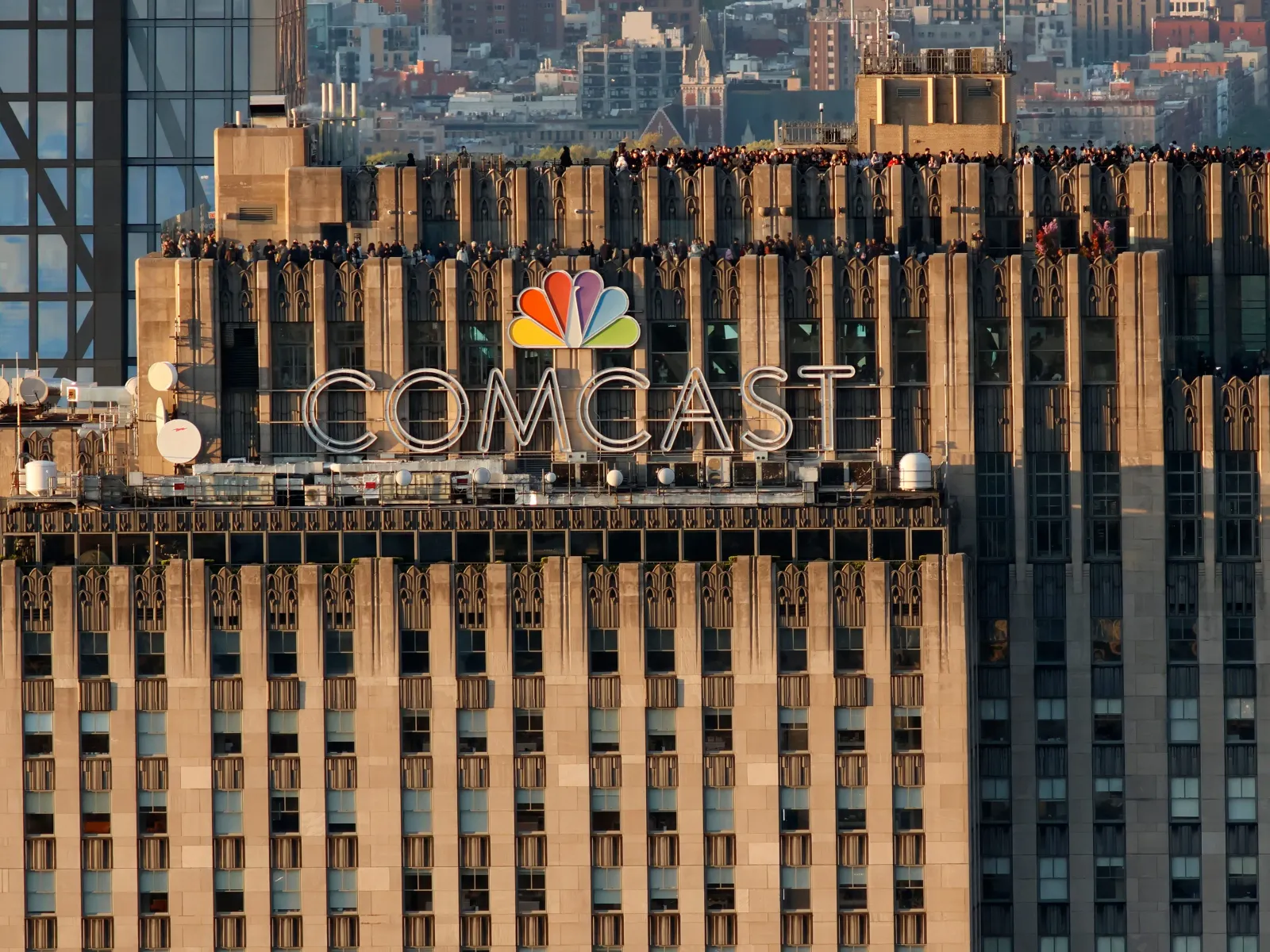
Comcast shares jump 25% as it plans to split NBCUniversal and Sky
The tax-free spin-off could reshape focus, funding, and competition across media and tech for years.

Bungie cuts most Destiny 2 staff as Sony says Marathon still matters
Herman Hulst confirms layoffs affecting most Destiny and some Marathon teams after Bungie admits Destiny fell short.