

beehiiv’s Tyler Denk rolls out Community, Copilot, ads to end creator platform sprawl
The newsletter platform is turning into full-stack media infrastructure, aiming to let publishers run everything from one place.

beehiiv, led by CEO Tyler Denk, unveiled its largest product expansion yet: Community, an AI assistant called Copilot, programmatic advertising, and new tools across newsletters, podcasts, websites, and digital products. The bet: independent publishers are shifting to multi-channel media businesses and want one platform to avoid data silos and subscription fragmentation.
On Thursday, beehiiv announced what it calls its largest product expansion yet, and CEO Tyler Denk is clear about the motive: creators and publishers do not want a patchwork of tools to run their media business. The update adds Community, a native discussion and membership platform, Copilot, an AI-powered assistant, programmatic advertising, a redesigned visual editor, and new capabilities across podcasts, websites, and digital products. The headline promise is not “more features.” It is a platform consolidation pitch. In Denk’s framing, beehiiv wants to be the place where publishers can “run your entire content business,” not just publish newsletters.
Denk’s argument goes straight to the operational pain. He told TheWrap that the problem he sees among beehiiv’s “top users and creators” is multi-channel expansion, which typically comes with extra software and extra account logins, and then extra data silos. As creators expand beyond newsletters into podcasting, communities, subscriptions, and even advertising, they often end up managing “four or five different platforms with different subscriptions and different data silos.” He called that “just inconvenient,” and said that inconvenience is what drove beehiiv to move beyond its newsletter roots, positioning itself as “the platform where you can come to run your entire content business.” Community, he added, is the “missing piece” that completes the package.
So what exactly is Community? It lets publishers launch branded discussion spaces directly within beehiiv, instead of relying on third-party products like Discord, Slack, Facebook Groups, or other external community platforms. The feature is designed to integrate with the rest of what creators already host on beehiiv, including newsletters, podcasts, and websites. Creators can offer free or paid communities. For readers, it creates a single place to discuss stories, exchange messages, and join topic-specific channels.
This matters because community is where “audience” turns into “relationship,” and relationship turns into monetization. The second-order effect for executives running media businesses is that community features can change the economics of engagement. If readers can both consume content and participate in discussions without hopping off-platform, publishers may spend less time chasing retention across tools and more time designing a coherent content system. That coherence is exactly what beehiiv is trying to operationalize with a single platform story.
Then there is Copilot, beehiiv’s first native AI product. The company says Copilot analyzes subscriber behavior, automates workflow, and helps publishers identify audience growth and monetization opportunities. Even without inventing extra capabilities, the direction is obvious: it is meant to reduce the manual labor involved in understanding audience performance and taking action on it. In a market where creators increasingly need to act like publishers, the advantage often goes to the team that can interpret performance quickly and execute consistently, across multiple channels.
Next up: programmatic advertising. beehiiv is rolling out ad capabilities that automatically match newsletters with advertisers based on audience and performance. The point is to reduce manual work of selling and managing sponsorships. The market context here is straightforward. Independent creators want revenue that does not require constant direct outreach, and advertisers want targeting that ties to performance rather than gut feel. If beehiiv can make that automation reliable, it turns an ad business from a sales-led effort into a system-led one. That can lower friction and possibly expand who can monetize, not just the publishers who already have a well-staffed commercial function.
beehiiv also shared performance metrics to back up the pitch. According to the company, publishers on the platform have generated more than $50 million in subscription revenue. And beehiiv says its ad network helps newsletters collectively earn more than $1 million per month from brands including Netflix, Nike, Roku, and HubSpot. Those numbers are the financial proof points inside the product narrative: the platform is already doing subscription and advertising at a scale that matters to independent media operators.
Strategically, this launch is also a direct signal to competitors like Substack and Patreon. Denk argued that many creator platforms focus on becoming destination apps, while beehiiv is positioning itself as “infrastructure” for independent publishing businesses. He compared the difference in metaphors: Substack, in his view, is building the Substack app, while beehiiv is “more Shopify,” meaning tools and back-end infrastructure meant to live invisibly while empowering creators to succeed. He also emphasized how beehiiv frames pricing and workflow consolidation: instead of charging a percentage of subscription revenue, it wants to help creators consolidate the growing number of services they rely on, from newsletters and podcasts to memberships, websites, and advertising. The intended outcome is that creators cancel subscriptions elsewhere to save money and “consolidate their entire workflow” on beehiiv.
For executives and board members evaluating creator-economy platforms, the real stakes are not just whether beehiiv adds features. It is whether the market rewards companies that unify the operational stack for independent publishers. As creators continue shifting from “single-format” distribution to integrated content businesses, platforms that capture the workflow layer can become a harder-to-displace system. And if beehiiv’s thesis is right, Community, Copilot, and programmatic ads are less about stand-alone improvements and more about turning beehiiv into the default operating layer for independent media companies.
This story's Key Insights and Take-aways are locked.
Create a free account to unlock Executive Actions for one credit.
Register to UnlockAlways free for Executives Club members. Join the Club
More in Business

Uber buys Delivery Hero for nearly $15B, vaulting to top food delivery outside China
The deal doubles Uber's dual-services footprint and pushes a ride-and-eats bundling play into 50 more markets.

Epic and Google drop settlement bid, forcing rival Android app stores by July 22
Google told the court it is ready to carry third-party app stores starting Wednesday, July 22.
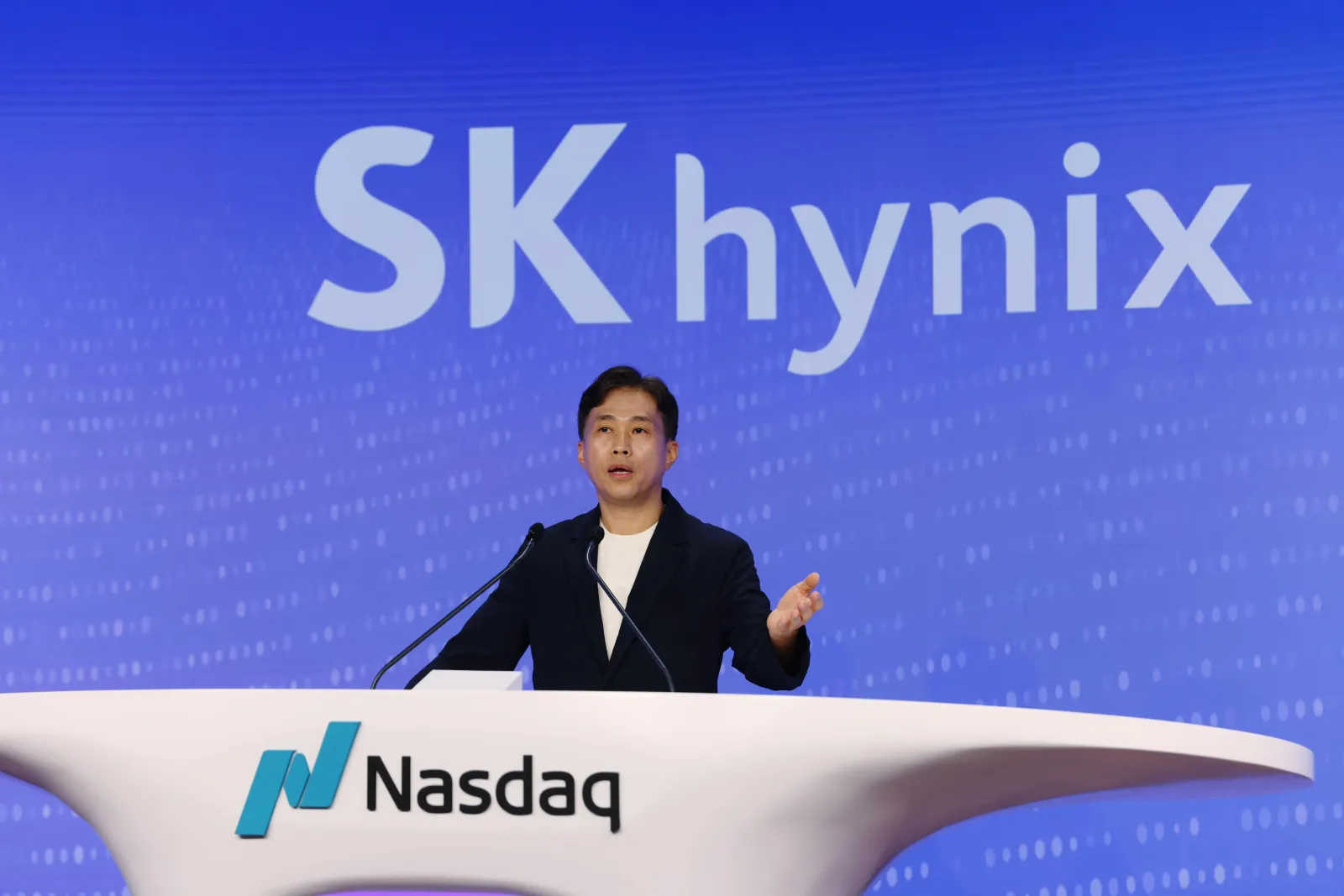
SK Hynix opens at $170, raises $26.5B, and tops foreign IPO records
In Friday's Wall Street debut, SK Hynix turns AI RAM demand into a $26.5B fundraising moment that rewrites comps.