

Bending Spoons goes public this week, targeting a $19 billion valuation for old internet assets
An Italian buyer of aging web brands is launching an IPO with a $19B ceiling, reshaping how investors price legacy growth.
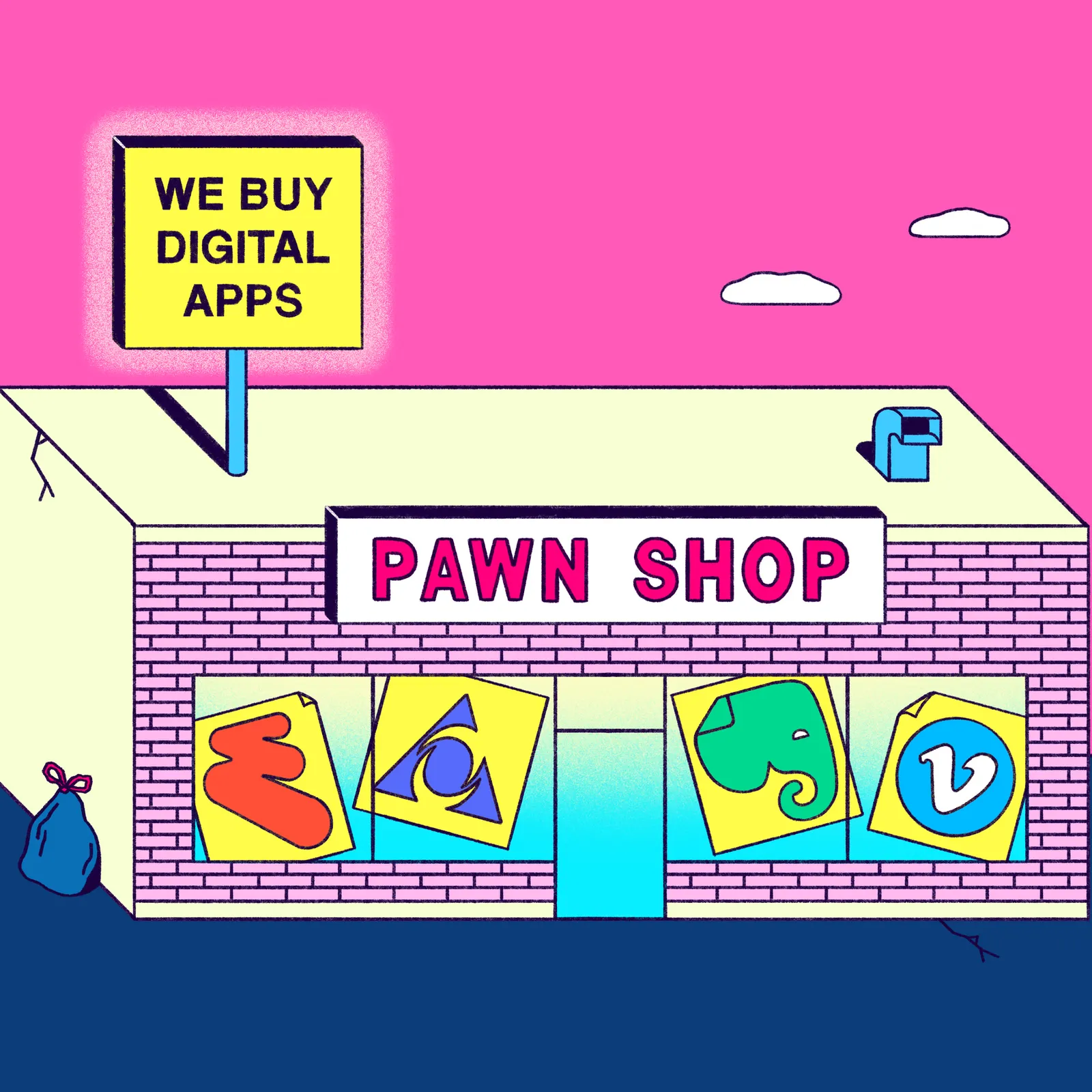
Bending Spoons, an Italian company that buys older internet companies, is going public this week with a potential value of $19 billion. For decision-makers, the IPO is a real-time test of whether the market will pay up for “internet nostalgia” bundled as growth.
Bending Spoons, the Italian company known for buying aging internet brands, is going public this week with a potential value of $19 billion. That number matters because it frames the bet the public markets are about to make: not on new inventions from scratch, but on buying existing digital properties that have already survived the early internet era and then trying to turn them into modern businesses.
In other words, the headline is not just about an IPO calendar slot. It is about valuation. A $19 billion potential value tells executives that the market may be willing to underwrite a specific playbook: acquire legacy internet assets, upgrade how they monetize, and ride whatever remaining audience and infrastructure the brands still have. If you are sitting on a board, running growth, or thinking about M&A, that is a signal worth treating like a live wire, because public valuation can quickly change how private deal negotiations play out.
To understand why this matters, it helps to remember what “aging internet companies” usually means in practice. Many early web brands launched when distribution was simpler and costs were lower. Over time, their user behavior, ad markets, and product expectations shifted. Some companies fell into maintenance mode, others got stuck with technology debt, and many struggled to connect their historical audience to the newer ways people discover and pay for digital products. The classic challenge for buyers is not that the assets are worthless. It is that the path from “old brand” to “modern growth engine” is operational, not theoretical. You have to fix product, data, and revenue systems. You have to make the economics work in a world where attention is harder to capture and competition is global.
That is where a platform like Bending Spoons enters the story. The source describes Bending Spoons as a company that buys aging internet companies. The public-market move, with that $19 billion potential valuation, effectively puts a spotlight on whether this strategy can be scaled, repeated, and supported by a credible capital structure. IPOs can change the incentive landscape immediately. Once public shareholders are in the mix, leadership teams typically face pressure to show traction fast, because the market does not reward vague potential. It rewards measurable execution, and it punishes ambiguity.
There is also a regulatory and governance layer that sits underneath the headline. Going public is not just a financing event. It triggers a compliance workload and disclosure obligations that private operators do not face at the same intensity. Even without any specific regulatory action mentioned in the source, the mechanics of an IPO generally mean more scrutiny around financial reporting, risk factors, and how the company has valued and integrated its acquired assets. For executives and board members, that means the story you tell during the roadshow has to survive public disclosure and public debate.
Then comes the investor psychology angle, which is often where second-order effects hide. A $19 billion potential value can influence how other investors think about “legacy internet” as a category. If the market treats buying older internet brands as a legitimate growth thesis, it can drive more competition for targets. That can raise prices in M&A, compress returns, or force buyers to offer more imaginative packages to win deals. On the flip side, if the IPO market is exuberant for a week and then cools, executives in similar positions may experience a valuation whiplash that impacts fundraising, buy-side decision-making, and even employee expectations around liquidity.
For peers, the bigger strategic stake is how public capital might reprice the opportunity set. If Bending Spoons is signaling that there is still money to be made by modernizing older digital assets, companies that hold valuable but underleveraged internet properties can see a new kind of buyer emerge. That can change how founders structure partnerships, how CFOs think about divestitures, and how boards weigh whether to sell now versus hold out for a higher bid later.
The practical takeaway is simple, even if the underlying math is not. The source says Bending Spoons is going public this week at a potential value of $19 billion. That is a market verdict in progress. Whether that verdict ends up looking prescient or premature will depend on how quickly the company proves its ability to turn “aging internet brands” into durable, public-company-grade performance. For executives watching from the sidelines, that is the question that will ripple beyond this one IPO: can legacy digital assets be transformed fast enough to justify a headline-grabbing valuation, and can that transformation be repeated at scale without breaking the economics?
This story's Key Insights and Take-aways are locked.
Create a free account to unlock Executive Actions for one credit.
Register to UnlockAlways free for Executives Club members. Join the Club
More in Business
Comcast shares jump 25% as it plans to split NBCUniversal and Sky
The tax-free spin-off could reshape focus, funding, and competition across media and tech for years.

Bungie cuts most Destiny 2 staff as Sony says Marathon still matters
Herman Hulst confirms layoffs affecting most Destiny and some Marathon teams after Bungie admits Destiny fell short.

SK Hynix jumps 11% after seeking up to $29.4B in Nasdaq listing
The chip giant filed for a Nasdaq listing plan that could raise $29.4 billion, instantly reshaping investor expectations.