

Benicio Del Toro lands first lead comedy series role opposite Ben Stiller on Apple TV
A big casting signal for Apple TV’s comedy slate, with Del Toro stepping into his first lead sitcom.
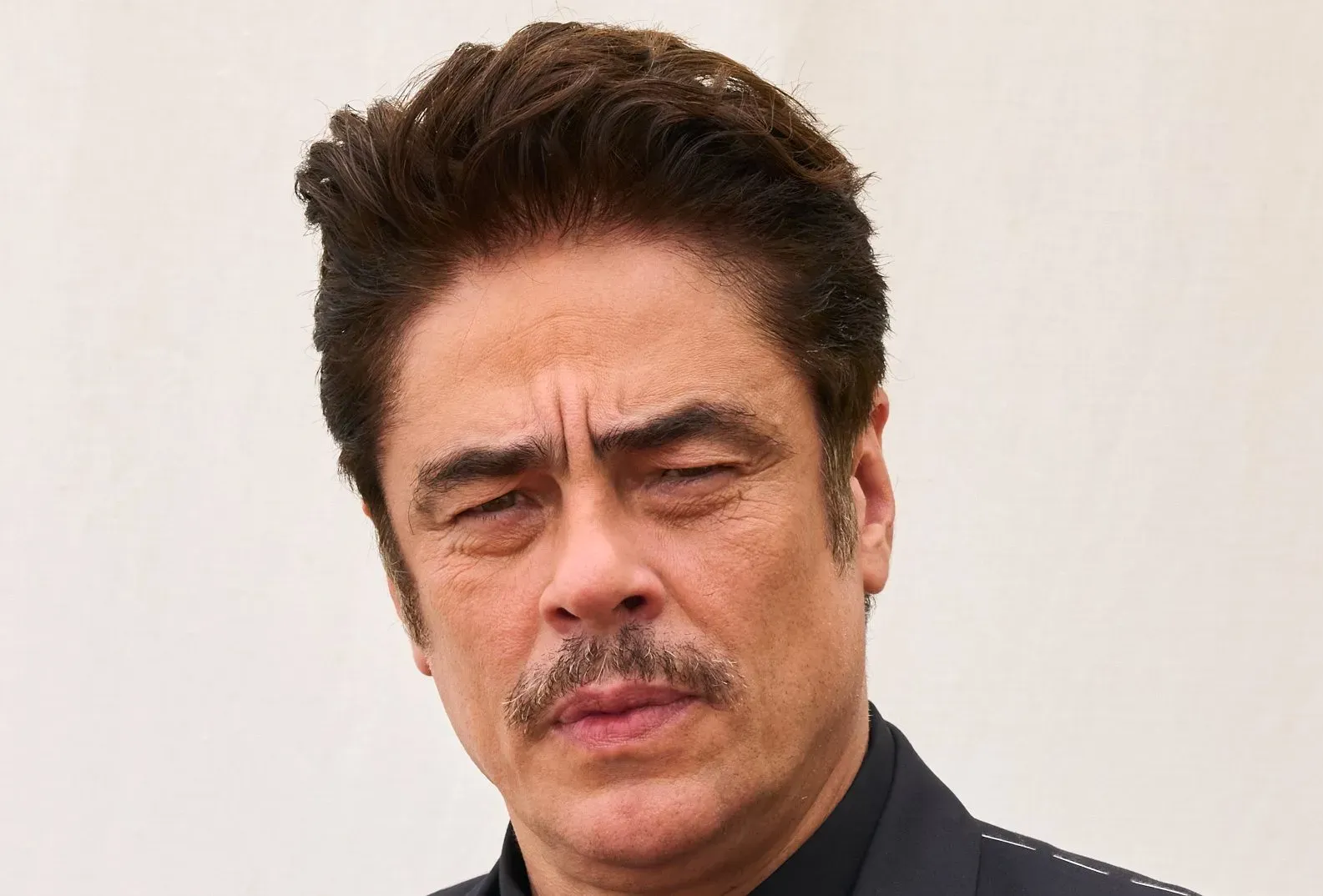
Benicio Del Toro is set for a lead role opposite Ben Stiller in Apple TV's upcoming comedy series “Protective Custody,” Variety reports. The deal follows an initial May announcement that had Stiller attached to star and executive produce.
Benicio Del Toro is set to land a lead role opposite Ben Stiller in Apple TV’s upcoming comedy series “Protective Custody,” Variety has learned. It also represents a career milestone: the show marks Del Toro’s first lead series comedy role.
Variety also reports the project was originally announced in May, with Stiller attached to star and executive produce. So the story right now is simple, but it matters: Apple TV is pairing a proven comedy lead presence in Stiller with Del Toro’s first time leading a series in this genre, and that combination is the kind of casting move that can shape how audiences decide to sample a platform.
Why executives should care about casting this much is because platforms are no longer just buying “content.” They are buying predictable attention. A lead role is an all-in bet on audience expectation: people show up for the perceived vibe and the persona they think will carry the show week to week. Stiller has long operated comfortably in comedy and comic character work. Del Toro, meanwhile, brings a different kind of gravitas and range, and the source explicitly frames this as his first lead series comedy role, which suggests a deliberate pivot from his typical on-screen positioning.
This matters even more in the context of how streaming series are funded and governed. A show like “Protective Custody” is not a quick, experimental miniseries with no downstream consequences. Series launches affect subscriber retention, marketing spend, and the internal calendar for what gets renewed versus what gets quietly shelved. When a platform makes an announcement, it is also making an internal signal to partners and stakeholders that they are serious about establishing recurring audience habits, not just one-off events.
Now, zoom out to incentives. Apple TV is competing for the same finite pool of executive attention, production resources, and audience curiosity as every other streaming service. Casting is one of the few levers a platform can pull that immediately changes how the project is perceived before any episode exists. Variety’s framing that Del Toro’s role is lead, and opposite Stiller, is not trivia. “Opposite” is the language of on-screen chemistry and narrative counterweight. In comedy, that pairing often determines whether the premise lands as a joke machine or stalls as a collection of sketches.
There is also a governance angle that board-level readers will recognize. When Stiller was already attached to star and executive produce from the initial May announcement, the project likely had an anchor of creative control and recognizable brand value. Adding Del Toro as a lead suggests an upgrade in risk posture. Not every casting update increases risk. Sometimes it reduces it by improving drawing power. But because the source emphasizes Del Toro’s first lead series comedy role, it also implies a kind of creative bet: his first true long-form comedy lead is now being positioned at the center of the show.
Del Toro’s “first lead series comedy role” is the type of detail that can become a headline in press coverage, and it can also become a metric for whether audiences are willing to try something new from an established star. If viewers feel the show is tailored to Del Toro rather than merely featuring him, the platform gets a better shot at word-of-mouth beyond the initial marketing cycle. If it feels mismatched, the platform still learns, but it might learn more slowly and at a higher cost.
So what are the second-order stakes for decision-makers who run entertainment portfolios, studios, or streaming strategy? This update is a reminder that platform differentiation often starts before production: with who is willing to commit, what kind of lead performance is being built, and how early public announcements set expectations. For peers watching Apple TV’s slate-building, “Protective Custody” is a case study in how one casting decision can reframe a project’s perceived potential.
In a world where subscribers can keep switching, the early signals matter. Del Toro stepping into a first lead series comedy role opposite Ben Stiller is not just a casting footnote. It is Apple TV putting a stake in the ground for comedy credibility, and it is also testing whether star power plus creative pairing can translate into sustained audience pull once the series actually drops.
This story's Key Insights and Take-aways are locked.
Create a free account to unlock Executive Actions for one credit.
Register to UnlockAlways free for Executives Club members. Join the Club
More in Entertainment

12TB Steam 'teraleak' goes beyond Valve: GTA 3, Mafia 2 prototypes exposed
A 12-terabyte dump of Steam data reveals prototypes and builds of third-party classics like GTA 3 and Mafia 2, plus unreleased Valve content, rewriting game history.

LinkedIn's romance problem: 1 in 4 workers say dating on it is fair game
A new survey shows a quarter of U.S. employees treat the professional network as fair game for romance, even as LinkedIn bans it and removes hundreds of thousands of offending posts.

Enhypen's first No. 1 album breaks K-pop's Billboard 200 streak
The K-pop group's 98,000-unit debut tops the chart while Dolly Parton's catalog reentry shows how death reshapes streaming.