
Bezos and UK sovereign AI fund back CuspAI’s $450m raise to cut rare-metal research
Cambridge startup CuspAI wants to be the “search engine for rare materials” for chipmakers, after a $450m funding round.
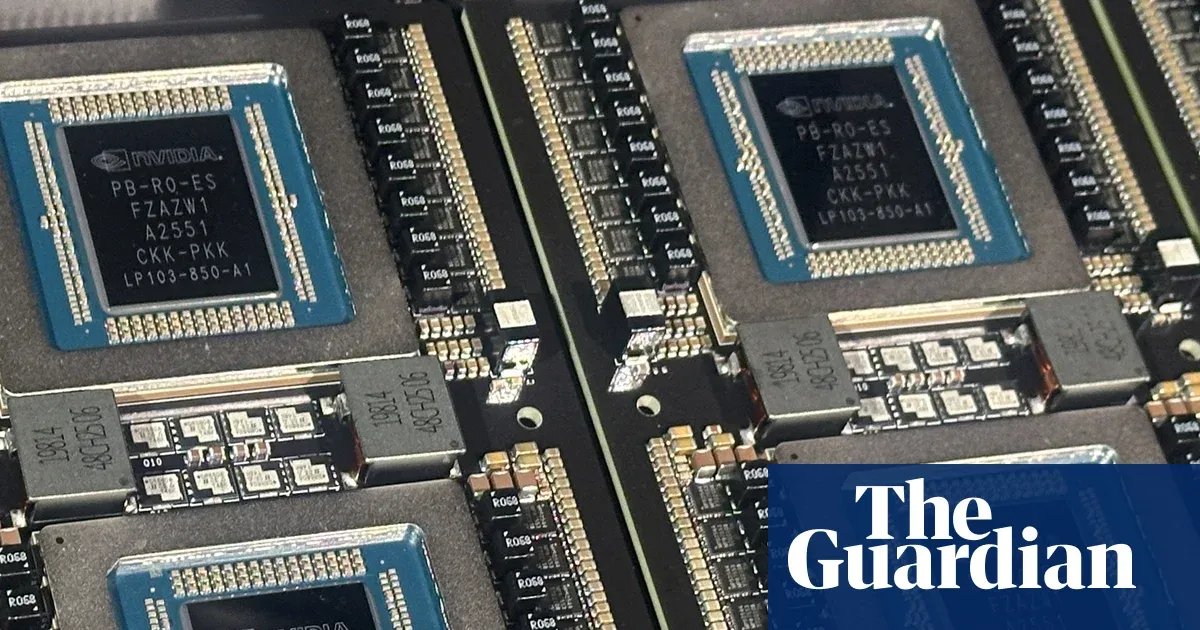
Jeff Bezos and the UK government have invested in Cambridge-based AI startup CuspAI, which is raising $450m (£330m) to value the two-year-old business at $2.6bn. The company says its AI software can cut research times and reduce chipmakers’ use of rare metals across supply chains.
Jeff Bezos and the UK government have backed Cambridge-based AI startup CuspAI with a $450m (£330m) funding round, valuing the two-year-old company at $2.6bn. CuspAI’s pitch is unusually specific: build AI software that speeds up research and helps chipmakers cut both the time spent hunting solutions and the rare metals used in their supply chains.
The money matters because it targets a bottleneck the chip industry runs into constantly. Semiconductor innovation is not just about designing better chips. It is also about the materials behind them, including scarce rare metals, and the long, costly process of finding what works, validating it, and scaling it safely. CuspAI positions itself as the “search engine for rare materials,” aiming to accelerate the next wave of technological breakthroughs by making that search faster and more efficient.
From a board and investor perspective, the strategic logic is clear. Rare materials are both an economic constraint and a risk factor. Supply shortages, geopolitical shocks, and price swings can turn “best material” into “available material,” which in turn affects yields, costs, and timelines. If an AI layer can reduce research times, it can compress development cycles. That can shift advantage from companies that have the biggest labs to companies that can iterate fastest.
CuspAI is also backed by a specific policy lever: the UK government’s sovereign AI fund. Sovereign AI funding has become a way for governments to do two things at once. First, they fund frontier capability that supports national competitiveness. Second, they steer capital toward applications tied to industrial priorities. In this case, the industrial priority is downstream. The goal is not AI for AI’s sake, but AI that plugs into how chipmakers and their suppliers discover and source materials.
There is a second, subtler implication here for executives: the startup’s “search” framing suggests a shift in how technical discovery could work. If CuspAI is effectively turning rare-material research into an information problem, then access to data, modeling, and domain workflows becomes a competitive moat. That can favor the winner of the early interface battle. In other words, even if the underlying physics of materials does not change, the process around it can. Whoever becomes the default system for finding candidates, generating hypotheses, or narrowing options could become embedded deep in R&D pipelines.
It is worth noting the time horizon embedded in the valuation. CuspAI is described as a two-year-old business, yet it is being valued at $2.6bn after raising $450m (£330m). That kind of acceleration usually reflects investor belief that the product category is moving from experimental to operational. In high-stakes supply chain domains like materials for semiconductors, even incremental reductions in research time can compound into major schedule gains, and schedule gains are money.
For other companies watching this move, the lesson is not simply “AI got funded.” It is that governments and major private investors are aligning around AI systems that can touch industrial bottlenecks: materials scarcity, research cycle time, and supply chain risk. If CuspAI executes, it could reshape what chipmakers measure as progress. Instead of counting only design milestones, they may track how quickly teams can identify material options and reduce reliance on rare metals.
The strategic stake for decision-makers across tech and industry is straightforward: faster rare-material discovery could change competitive dynamics in hardware development, procurement, and compliance. And when a startup backed by Jeff Bezos and the UK government’s sovereign AI fund is explicitly aiming to be the “search engine for rare materials,” peers in semiconductors, materials science, and supply chain analytics should treat it as more than a funding headline. It is a signal that the next wave of breakthroughs may be limited not by ideas, but by the speed of finding the right materials and scaling them through real-world constraints.
This story's Key Insights and Take-aways are locked.
Create a free account to unlock Executive Actions for one credit.
Register to UnlockAlways free for Executives Club members. Join the Club
More in Business

Uber buys Delivery Hero for nearly $15B, vaulting to top food delivery outside China
The deal doubles Uber's dual-services footprint and pushes a ride-and-eats bundling play into 50 more markets.

Epic and Google drop settlement bid, forcing rival Android app stores by July 22
Google told the court it is ready to carry third-party app stores starting Wednesday, July 22.
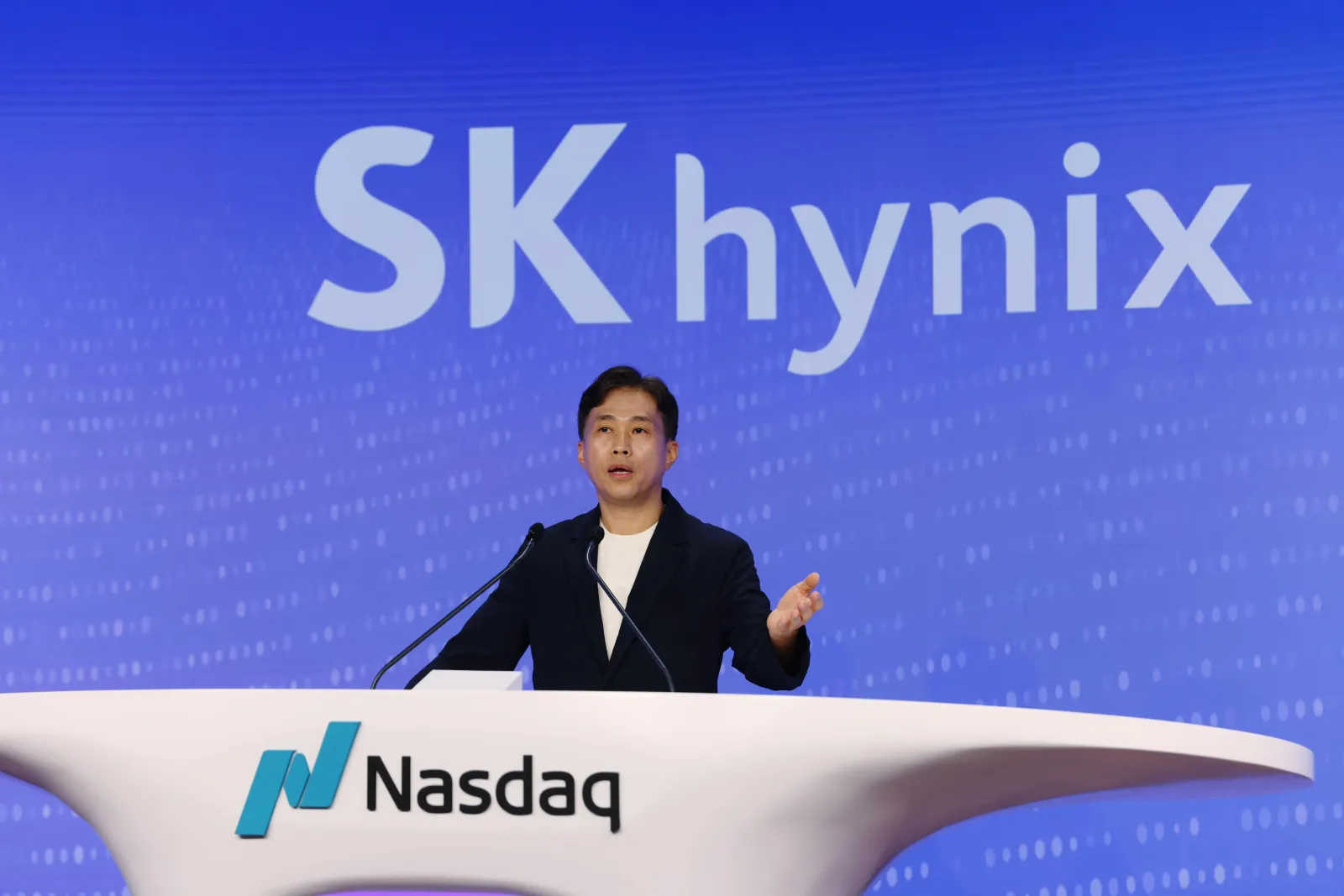
SK Hynix opens at $170, raises $26.5B, and tops foreign IPO records
In Friday's Wall Street debut, SK Hynix turns AI RAM demand into a $26.5B fundraising moment that rewrites comps.