

Bezos opens Blue Origin to outside investors after 26 years, seeking $10bn
Blue Origin invites external capital for the first time since 2000, targeting a $130bn valuation and changing how rockets get funded.

Jeff Bezos is letting outside investors into Blue Origin for the first time since he founded it in 2000. The rocket company is seeking about $10bn in fresh capital at a $130bn pre-money valuation, according to CNBC.
Jeff Bezos is letting outside investors into Blue Origin for the first time since he founded it in 2000. The plan, per CNBC, is to seek about $10bn in fresh capital at a $130bn pre-money valuation. That is a big unlock after 26 years of effectively single-owner control, where Bezos funded the buildout largely himself instead of sharing ownership early.
For context, this is not a minor corporate tweak. For those 26 years, Bezos bankrolled Blue Origin himself, selling billions in Amazon stock rather than sharing ownership. The shift matters because it changes the company’s funding model and, with it, who has a seat at the table as the rocket business gets more expensive and more regulated over time.
Rocket companies live and die by capital intensity. R&D phases are long, manufacturing cycles are unforgiving, and test programs can chew through cash while timelines slip. When a founder funds internally for decades, the company can move with a kind of patience that outside investors often do not. But as the business scales, the risk profile also expands: more employees, more launch cadence pressure, more supplier obligations, and typically more exposure to government contracts and oversight. Bringing outside investors in forces earlier alignment on governance, reporting expectations, and what “success” looks like quarter to quarter.
There is also a valuation and control subtext hiding inside the headline numbers. A $130bn pre-money valuation puts Blue Origin’s internal narrative in direct conversation with the market’s appetite for space infrastructure and launch economics. Then there is the funding target itself, about $10bn in fresh capital. Even without additional details from the source, the math implies a material ownership and dilution conversation is underway, and dilution is where boards and founders stop being philosophical and start being precise. Once outside investors become owners, they can demand information flows, tighter board processes, and sharper risk-management frameworks.
The incentive shift is the real story behind the $10bn ask. For 26 years, Bezos could sell Amazon stock to fund Blue Origin without having to negotiate every step with a broader cap table. That created a structural advantage: when you are the main check-writer, you can accept longer payback horizons. Outside capital usually comes with a different rhythm, even if investors are patient. The question boards will ask is not only “can we raise $10bn at $130bn pre-money,” but also “what constraints come with it, and how soon do those constraints show up in decisions on launches, spending, and partnerships.”
Governance is where these moments often get messy. As outside investors enter, the board typically evolves, committees get more formal, and internal debates move from “founder decides” to “board decides.” That does not automatically slow execution, but it does change the negotiation surface area inside the company. In practical terms, it can affect how quickly Blue Origin pivots, which programs get funded first, and how management communicates progress. Investors do not just buy the technology. They buy the plan, the oversight structure, and the credibility of the management narrative.
Regulatory framing matters too, even when the source does not spell it out. The space sector is shaped by permits, safety rules, and government procurement ecosystems that can shift with policy and administration priorities. When a company has a wider investor base, it may face stronger pressure to maintain compliance posture and reduce headline risk. That pressure can be constructive, but it can also lead to more conservative choices in high-uncertainty areas, especially when external shareholders want clearer milestones.
For decision-makers looking at Blue Origin, the bigger takeaway is that this is a control transition moment as much as a fundraising moment. Bezos is opening Blue Origin to outside investors after 26 years of solo-funding, and Blue Origin is targeting about $10bn at a $130bn pre-money valuation, according to CNBC. If you run a space adjacent company, back a rocket startup, or sit on a board that funds hardware at scale, this is the signal: the capital strategy is shifting from founder bankroll to external partnership. The companies that manage that shift best will not only secure cash. They will secure the governance, reporting discipline, and shared roadmap needed to turn funding into launches.
This story's Key Insights and Take-aways are locked.
Create a free account to unlock Executive Actions for one credit.
Register to UnlockAlways free for Executives Club members. Join the Club
More in Business

AstraZeneca $27B wipeout as Wainua late trial misses cardiovascular target
A failed late-stage heart study triggered a swift market punishment, forcing investors and boards to reset timelines and risk.
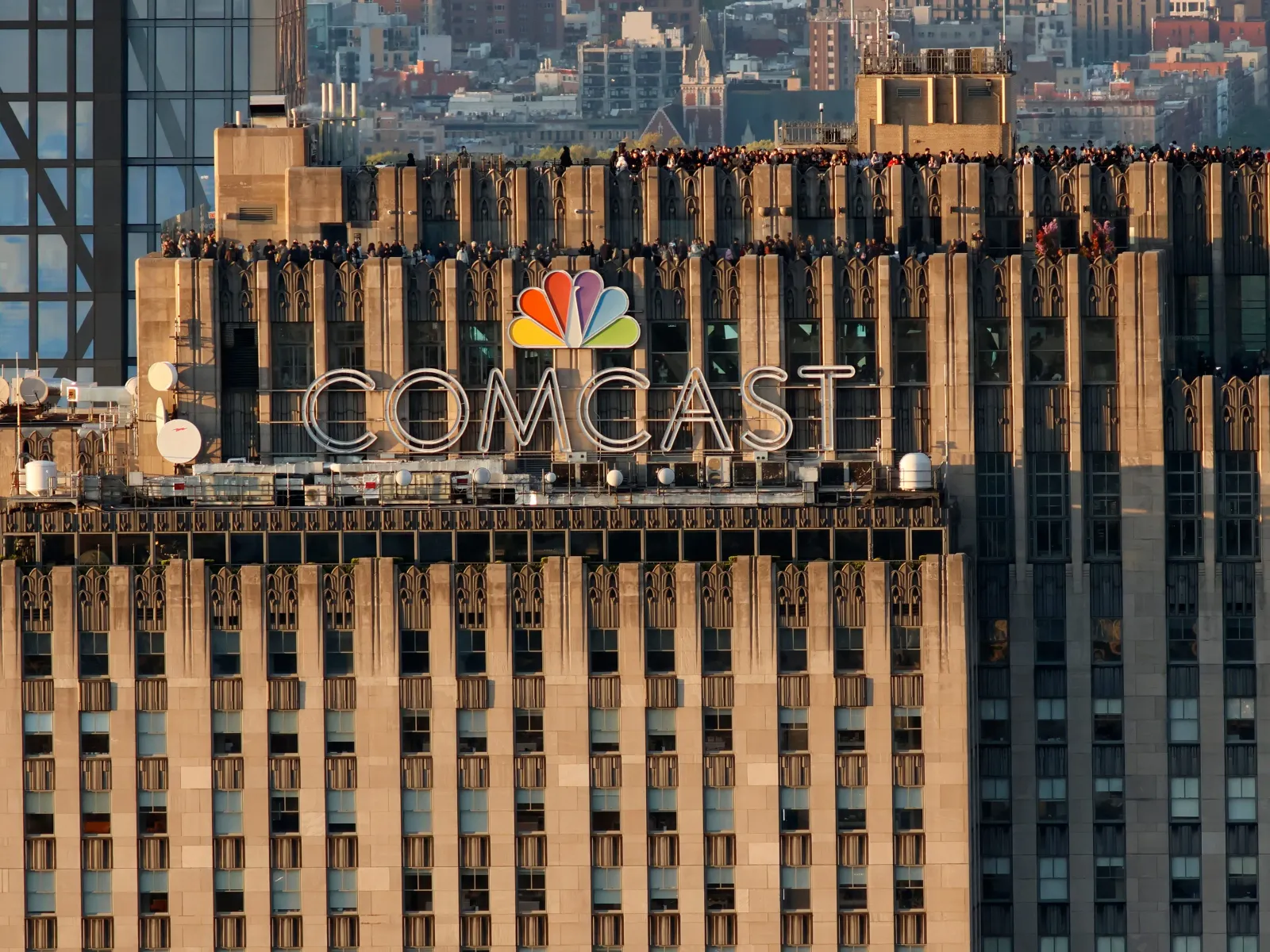
Comcast shares jump 25% as it plans to split NBCUniversal and Sky
The tax-free spin-off could reshape focus, funding, and competition across media and tech for years.

Bungie cuts most Destiny 2 staff as Sony says Marathon still matters
Herman Hulst confirms layoffs affecting most Destiny and some Marathon teams after Bungie admits Destiny fell short.