

Bjørn Gulden calls Adidas' World Cup pitch-perfect as U.S. sales hopes rise
The CEO says he 'couldn't have scripted it better' as Adidas’ logo fills the field and drives a U.S. sales bet.

Adidas CEO Bjørn Gulden says the brand’s World Cup moment came out exactly as he wanted. The consequence for decision-makers is clear: this is a high-stakes marketing and distribution opportunity aimed at moving U.S. sales.
Nearly everything on the field on Sunday will bear Adidas’ logo, and Adidas CEO Bjørn Gulden says he “couldn’t have scripted it better.” That matters because in global sports, visibility is not just pretty. It is demand generation, retailer confidence, and brand equity that can show up months later in sell-through, wholesale orders, and the types of deals brands can sign next.
From a leadership perspective, Gulden’s reaction is the headline’s whole story. He is not talking about a product launch in isolation; he is talking about a moment with maximal broadcast reach and maximal crowd attention. “Nearly everything on the field” is an unusually tight brand integration for a mainstream event, meaning Adidas is not relying solely on scattered jerseys or advertising placements. The brand is embedded in the match itself, day-of and in the camera’s default view. For execs staring at forecasts, that is the difference between a campaign and a platform.
To understand why Adidas’ World Cup week is so strategically loaded, it helps to remember how sports retail and sponsorship economics work. Most athletic brands are not buying media in the abstract. They are trying to influence what buyers and consumers do when the season turns, when inventory needs to clear, and when retailers decide whether to take risks on new product assortments. A World Cup run can create a spike in direct consumer interest, but the more durable effect is often upstream: it strengthens a brand’s negotiating position with distributors, helps justify promotional spending, and gives sales teams a clearer narrative for why shelf space should favor one supplier over another.
The U.S. angle is the additional constraint. The U.S. sports market is crowded, and consumer attention is split across leagues with their own star systems and merchandising engines. That is why “drive U.S. sales” is not just a marketing phrase. It is a bid for mindshare and muscle in a geography where new demand has to compete with established sports cycles. In practical terms, if Adidas is counting on this World Cup moment, it likely expects downstream behavior: more store traffic, higher conversion for flagship styles, and stronger pull for products that can be stocked quickly.
There is also a regulatory and operational dimension to big tournament visibility that executives tend to treat as background noise until it becomes existential. Major events operate under strict rules about logos, branding footprints, and where commercial content can appear. When a brand’s logo is present across so much of the field, it usually signals that contracts, compliance, and on-site production were executed cleanly. That reduces the chance of last-minute disruption, minimizes brand dilution from competing placements, and helps the sponsor deliver what it promised when it bid for the rights.
Even if this briefing cannot attach numbers to the outcome, the decision logic is familiar to any boardroom. Sponsorships and integrated tournament rights are expensive, and the board’s real question is whether the spending translates into measurable business impact. Gulden’s “couldn’t have scripted it better” line is essentially a signal that, at least on the brand visibility front, execution aligns with intent. That is how execs reduce variance when they are betting against uncertainty.
Second-order, this kind of moment can reshape competition. When one global brand captures mainstream attention so thoroughly, it can put pressure on rivals to respond, either by spending more, shifting creative faster, or leaning harder into athlete and team relationships. For executives at peers and partners, it is not only about Adidas. It is about what audiences reward when everything they see is consistent, repeated, and broadcast everywhere. The takeaway for leadership teams is that integrated tournament branding can compress time between awareness and purchase intent.
So the strategic stakes for decision-makers are simple: this World Cup visibility can become an accelerant for U.S. sales performance, and it can improve the story Adidas tells internally and externally about why the next round of product and retail investment deserves to happen. Gulden’s celebration is not just enthusiasm. It is an attempt to lock in momentum while it is visible on the world’s biggest screens, and while partners are still reacting to what they just watched.
This story's Key Insights and Take-aways are locked.
Create a free account to unlock Executive Actions for one credit.
Register to UnlockAlways free for Executives Club members. Join the Club
More in Business

Uber buys Delivery Hero for nearly $15B, vaulting to top food delivery outside China
The deal doubles Uber's dual-services footprint and pushes a ride-and-eats bundling play into 50 more markets.

Epic and Google drop settlement bid, forcing rival Android app stores by July 22
Google told the court it is ready to carry third-party app stores starting Wednesday, July 22.
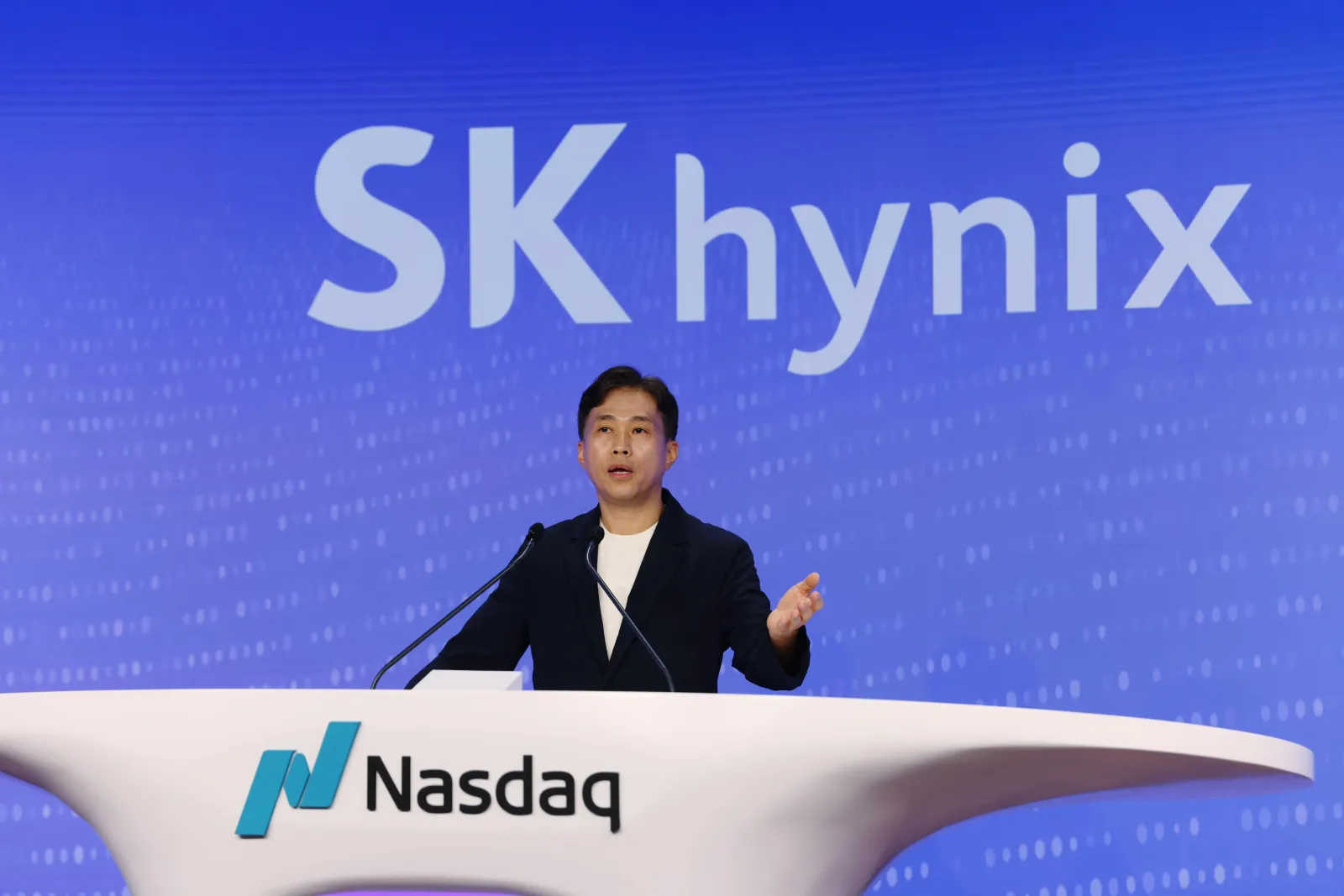
SK Hynix opens at $170, raises $26.5B, and tops foreign IPO records
In Friday's Wall Street debut, SK Hynix turns AI RAM demand into a $26.5B fundraising moment that rewrites comps.