

Black Flag Resynced cuts iconic combat because director Richard Knight said it was “lower priority”
The missing hidden-blade and weapon-pickup moves were sacrificed for “core combat,” Ubisoft’s remake roadmap is now on notice.
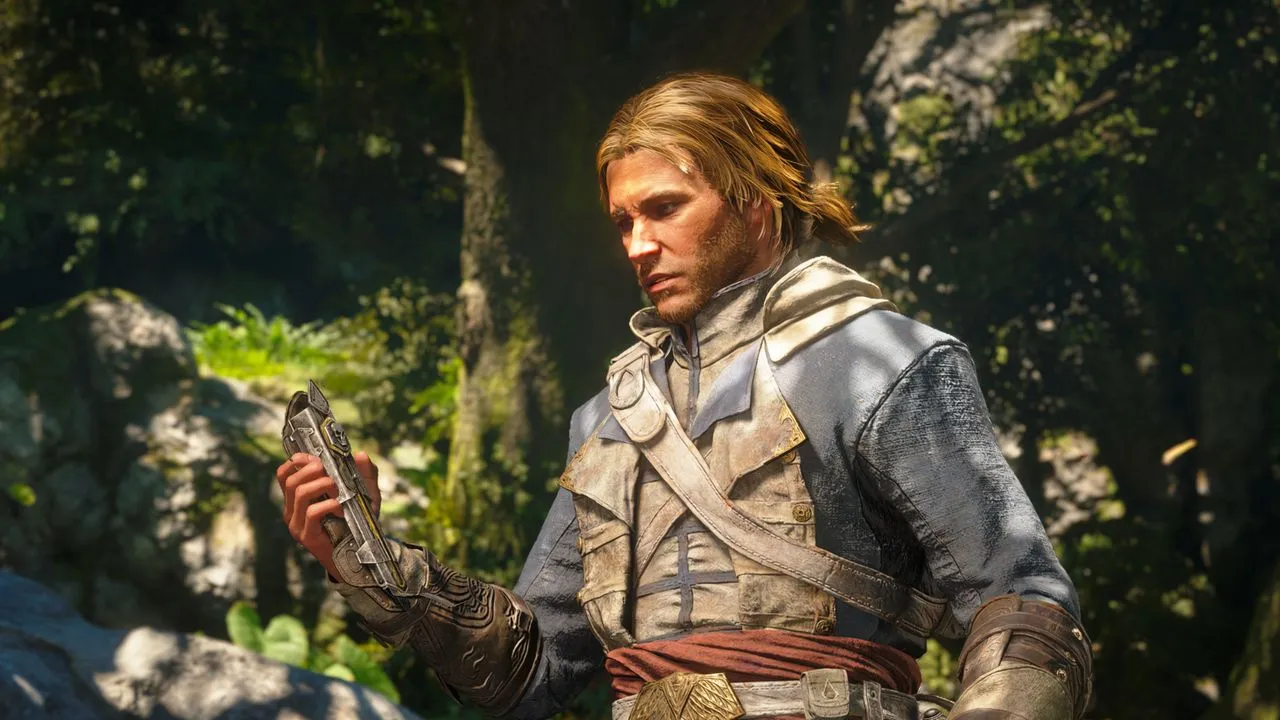
Black Flag Resynced game director Richard Knight explained to YouTuber JorRaptor why hidden blade combat and picking up enemy weapons were removed. He says Ubisoft prioritized core combat because Edward has many tools, so the cut features were “lower priority” due to reinvention cost.
Assassin’s Creed Black Flag Resynced is shipping with a fresh combat system, but two iconic mechanics from the original are conspicuously absent: hidden blade combat and the ability to pick up enemy weapons. In an interview with YouTuber JorRaptor, Black Flag Resynced game director Richard Knight said the missing features were not removed for some design whim, but because they were “lower priority,” after Ubisoft decided to “prioritised core combat because we needed to nail that.”
Knight’s logic is blunt and, for anyone who has run a live project or greenlit a reboot, immediately legible. During development, if you “looked at Edward... he’s so powerful right now and has so many tools,” Ubisoft “prioritised core combat because we needed to nail that.” He then points to an example of what “higher cost” really means in practice: mechanics like throwing weapons are “cool,” but they stack into a “he already has ten ways to kill somebody” situation. Then comes the money and labor implication, stated plainly: the team saw “the cost to reinvent the feature and rebuild it from the ground up with today's characters, rigs, and animations,” which “there’s a lot more that goes into it.” That is the fulcrum of the whole decision.
For players, this translates into very specific fights. The remake is described as still faithful to Black Flag’s lethality, just no longer built around waiting in place to counter an incoming attack. Knight’s approach keeps the dueling core, but it also hardens the style of combat into dual cutlasses “all the way,” which the source says gets old pretty fast. That matters because the missing mechanics are not minor flavor. Hidden blade combat and weapon pickup were part of what made the original feel agile and improvisational, not just duel focused. The absence means you cannot steal a musket and do a cool running takedown, or pick up an axe and start swinging. Even if the new combat system is better engineered, you lose those “invent your own takedown” moments that used to feel like signature moves.
From an operator or investor lens, the interesting part is what “lower priority” reveals about Ubisoft’s allocation model. Reinventing a feature is not just design effort, it is production risk. In this case, Knight cites the need to rebuild from the ground up with today’s characters, rigs, and animations. That language is basically studio math: every mechanical addition must be supported by character motion systems, combat readability, QA across moves and edge cases, and consistency with the remake’s “today” character pipeline. If your combat core is still under construction, adding more input options can increase animation burden and testing surface area. Knight essentially argues that feature complexity multiplied costs, while Edward already had enough “tools” that throwing weapons or weapon pickup would not create a proportional new value experience.
But this is where it gets tense for the business side. Fan backlash around the remake’s revealed changes has been “a pretty big point of contention,” and Knight acknowledges the problem without promising a fix: “We can't make any promises [but] we're listening to the community,” he says, adding “we're interested in what people want the most.” That phrasing is typical of teams trying to keep creative options open while avoiding hard commitments they might not be able to deliver. Still, the source frames the missing features as surely “high up the list,” which means the community’s priority is now known, and the team has to decide whether post-launch patches are where they will try to pay down the gap.
The second-order implication is that post-launch is not just marketing. It becomes a de-risking mechanism for core design decisions. The source even points out a business incentive: Ubisoft is “cramming an expanded cash shop and weekly challenges into the remake.” Whether you like that approach or not, it changes the economic logic. If revenue and engagement loops are designed to keep players coming back, then there is at least a structural reason to expand beyond the base game. That can include adding missing mechanics later, but it also raises the stakes for how the studio communicates progress. “We’re listening” sets an expectation. If those iconic moves stay missing, the anger may harden into longer-term credibility damage rather than short-term frustration.
This is also a cautionary tale for anyone leading a remake, remaster, or franchise modernization. Combat is often the product, and in this case, Ubisoft treated “core combat” as the thing that had to be nailed. That can be the right engineering call, but it creates a trade: when you prioritize the core, the peripheral iconic features become casualties unless you reserve time and resources to rebuild them. Knight’s explanation suggests that hidden blades and weapon pickup are not impossible, but they are expensive, because they require full integration with updated character systems. So the strategic question for executives is not “can we add them someday,” it’s “what level of investment will we attach to community-impacting features after launch, and how will we justify that spend to the board and to players who already noticed the omissions?”
In other words, Black Flag Resynced is a live stress test of a classic remake problem: how do you modernize without sanding off the things that made the original unforgettable. Knight says the answer was to nail core combat first, then listen. The market is now watching whether Ubisoft can turn that listening into tangible patches, or whether “lower priority” becomes the permanent label players use to explain why the iconic parts never returned.
This story's Key Insights and Take-aways are locked.
Create a free account to unlock Executive Actions for one credit.
Register to UnlockAlways free for Executives Club members. Join the Club
More in Entertainment

12TB Steam 'teraleak' goes beyond Valve: GTA 3, Mafia 2 prototypes exposed
A 12-terabyte dump of Steam data reveals prototypes and builds of third-party classics like GTA 3 and Mafia 2, plus unreleased Valve content, rewriting game history.

LinkedIn's romance problem: 1 in 4 workers say dating on it is fair game
A new survey shows a quarter of U.S. employees treat the professional network as fair game for romance, even as LinkedIn bans it and removes hundreds of thousands of offending posts.

Enhypen's first No. 1 album breaks K-pop's Billboard 200 streak
The K-pop group's 98,000-unit debut tops the chart while Dolly Parton's catalog reentry shows how death reshapes streaming.