
Blacksmith hits $1B in 2 months as AI code outpaces testing
A $66M Sequoia-led round doubles Blacksmith's valuation in two months, proving code validation is the new bottleneck in AI software development.
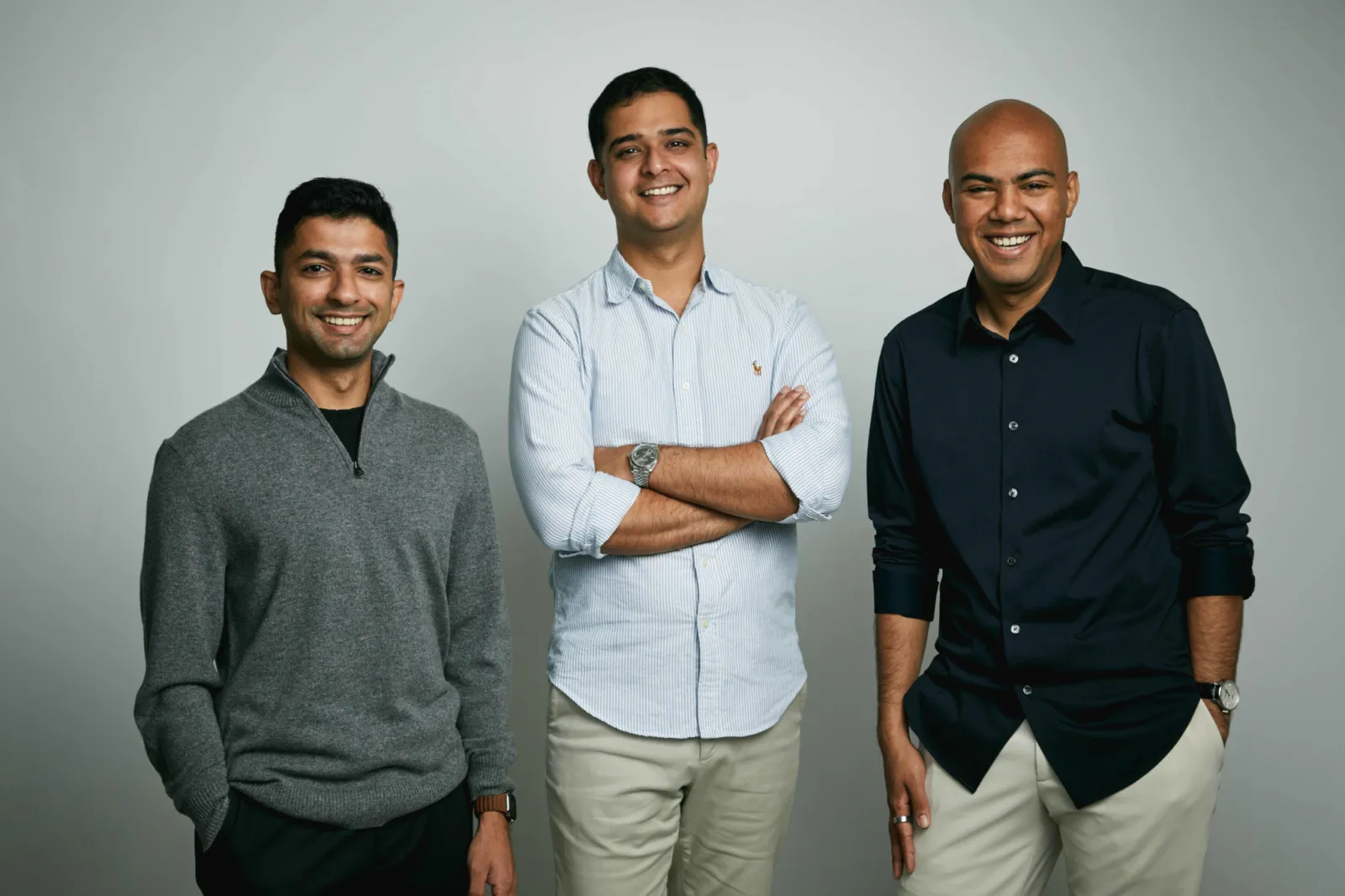
Blacksmith, the AI code-testing startup led by CEO Aditya Jayaprakash, raised a $66M Series C led by Sequoia Capital at a $1B valuation, nearly doubling its valuation in two months. The round signals that AI-generated code is overwhelming existing testing infrastructure, making code validation the new competitive bottleneck for software teams.
Blacksmith, the startup that runs the infrastructure companies use to test code before it ships, just hit a $1 billion valuation. The milestone comes from a $66 million Series C led by Sequoia Capital, roughly two months after a $45 million Series B at $550 million, and it puts the company's total funding at about $124.5 million. The valuation jump is not a vanity number: Blacksmith says more than 10,000 companies now use its platform, double the count from August, and weekly validation checks have exploded from 5 million at the start of the year to 90 million now.
The reason for that growth is the same force squeezing every engineering team: AI coding tools like Cursor, OpenAI's Codex and Anthropic's Claude Code have made writing code "extremely easy," as cofounder and CEO Aditya Jayaprakash put it. "But now the bottleneck has shifted to the second piece, which is: how do I actually validate all this code?" Blacksmith sells continuous integration, or CI, the automated builds and tests code must pass before it is merged and deployed. Instead of renting servers from AWS, Google Cloud or Azure like most CI providers, Blacksmith buys its own machines, tens of thousands of them, and installs them in data centers worldwide, with custom software that cuts repetitive setup work.
The numbers behind the bottleneck are stark. Annual recurring revenue has grown 17x since January, now in the tens of millions, and Blacksmith's largest customers spend more than $1 million a year. Even the leading AI labs feel the strain: Anthropic said last month its validation workloads grew 25-fold in six months as Claude took over most of its code output. When Anthropic launched Claude Fable 5 in July, CI volume on Blacksmith rose 40% overnight, a reminder that every stronger model creates a new wave of code to check.
Blacksmith's hardware-heavy bet is both its edge and its exposure. Founded in 2024 by Jayaprakash, the company owns its own servers rather than renting them from cloud giants, giving it control over performance but tying it to the industry-wide shortage of compute and memory. Jayaprakash said capacity planning is one of the hardest parts of the business because demand jumps every time a stronger model comes out. The company has about 40 employees across San Francisco and New York and plans to reach around 75 by year-end, and most of the new capital will go toward purchasing more computing power.
The bigger strategic question is whether Blacksmith can stay complementary to the AI model vendors that could one day absorb it. Coding agents like Codex and Claude Code can already run a project's tests as they work, and Cursor launched a product in March that lets companies set up agents to automatically review and test new code. Microsoft-owned GitHub sells its own hosted machines for running CI jobs. Jayaprakash's counter is that better models mean more code to check, so "usage on us actually goes up." That logic holds as long as validation remains a separate layer, but the line between writing code and testing it is blurring fast.
For founders and operators, Blacksmith's trajectory is a signal about where the AI value chain is moving. The first wave of AI coding tools automated the creative part of software development; the second wave is automating the boring, expensive part of making sure that code actually works. That shift is creating new infrastructure companies with real revenue, not just demo-driven hype. Blacksmith's 17x ARR growth and 90 million weekly checks show that enterprises are willing to pay for speed and reliability when AI floods their pipelines.
The risk is concentration. Blacksmith's customers are startups like Granola, Handshake, Supabase and LangChain, and its fate is tied to the same AI labs it complements. If Anthropic, OpenAI or Microsoft decide to bundle CI into their coding agents, Blacksmith's hardware-heavy model could become a cost burden rather than a moat. For now, the market is betting that the testing bottleneck is big enough to support a standalone $1 billion company, and Sequoia's check says that bet is worth making.
This story's Key Insights and Take-aways are locked.
Create a free account to unlock Executive Actions for one credit.
Register to UnlockAlways free for Executives Club members. Join the Club
More in Business

BioWare shuts down, Mass Effect 5 dead after $55B EA buyout
The legendary RPG studio's closure lands months after a $55 billion investment group buyout of EA, raising tough questions for gaming's biggest acquirers.

Musk barred from the room as Tesla, SpaceX boards weigh $3.5 trillion merger
The CEO of both companies is a 'conflicted party' watching independent directors negotiate a tie-up that would create a $3.5 trillion giant he would own about a third of.

Elon Musk just showcased a flying car - and it wasn't at Tesla
The Tesla CEO's latest reveal came at SpaceX, not Tesla, signaling where vertical mobility is headed.