
Bloober Team unveils Star Trek: Shadow Frontier after Silent Hill 2 remake momentum
Paramount Games Studio and Bloober Team pitch a new Star Trek psychological thriller, extending a proven remake-to-original pipeline.
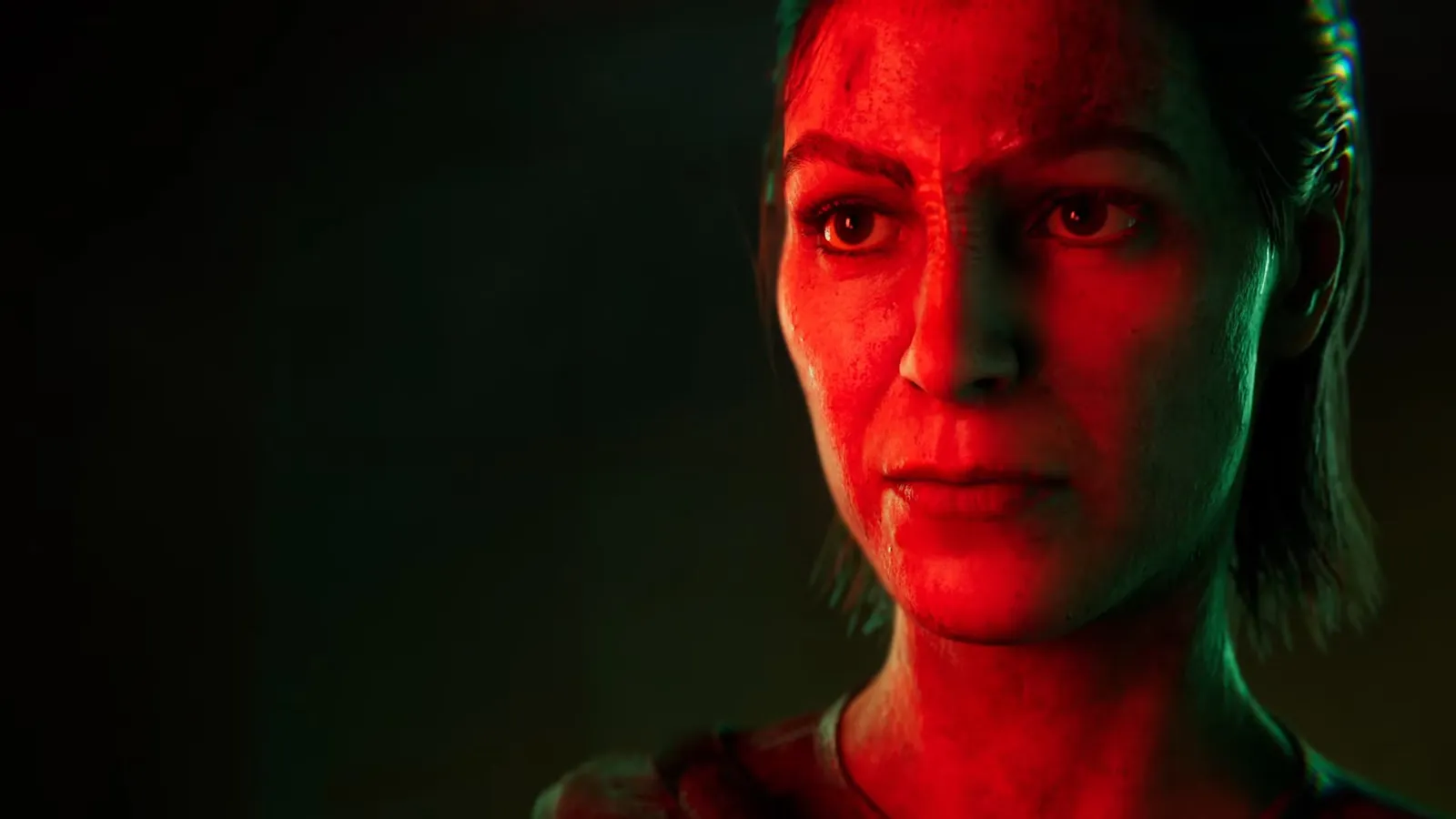
Bloober Team, the developer behind the Silent Hill 2 remake and Observer, is partnering with Paramount Games Studio to announce Star Trek: Shadow Frontier. The move matters to investors and publishers watching whether talent built on remakes can reliably launch new, premium sci-fi experiences.
Bloober Team, the studio behind the Silent Hill 2 remake and Observer, just announced its next project: Star Trek: Shadow Frontier. On Saturday, developer and publisher Paramount Games Studio revealed the new sci-fi psychological thriller set in the Star Trek universe, signaling a clear pivot from “recreate the past” to “write a brand-new story inside a major IP.”
For decision-makers, the immediate takeaway is simple: this is not a side quest. Bloober Team is already tied to a recognizable track record of horror-focused development, and now it is being positioned to bring that same psychological thriller DNA into one of the most durable science fiction franchises on the planet. If you are tracking how studios monetize audience trust, the story here is about translating established genre instincts into a fresh setting, without waiting for the next remake cycle to do all the work.
Why this announcement is getting attention goes beyond genre fandom. The games industry is currently structured around heavy IP and tighter budgets, which raises the bar for studios trying to convert technical execution into commercial confidence. A new Star Trek title is the kind of bet that can work because Star Trek already comes with built-in brand awareness. But it also raises the stakes for execution. With an established universe, publishers are not just selling gameplay mechanics. They are selling tone: characters, pacing, and atmosphere have to feel consistent with what audiences expect from the franchise.
And Bloober Team’s involvement is a key signal. According to the source, the studio behind the Silent Hill 2 remake and Observer is heading to the “final frontier.” That phrasing matters because it frames what Bloober is likely to be leveraging: psychological tension and horror-adjacent storytelling, which are core to both the Silent Hill remake space and its other genre output. In plain English, this announcement tells you what skill set the studio is bringing. It is not switching to an entirely different design identity. It is taking the proven “thriller brain” approach and aiming it at sci-fi.
From an investment and board-dynamics perspective, that identity continuity can reduce uncertainty, even when the IP is different. Boards typically get nervous when teams chase unrelated markets. Here, at least on paper, Bloober is staying within a compatible genre lane: psychological thrillers, atmosphere-forward design, and narrative tension. That can help with internal underwriting arguments, particularly for studios that need to show they can do more than one type of project.
There is also a broader strategic pattern worth noting for peers. Paramount Games Studio, as the publisher side of this announcement, is placing a recognizable horror-adjacent developer into a high-profile science fiction IP. That suggests a pipeline logic: recruit teams with proven ability to produce gripping, emotionally tense experiences, then wrap them in premium intellectual property. For executives at other publishers, the second-order question becomes: can you scale this approach without thinning quality, and can you maintain marketing efficiency when the brand does some of the heavy lifting?
Regulatory background is not the centerpiece of this specific announcement, but it still matters in how you think about licensing and compliance. Major IP titles typically require robust rights management, and those processes are often where timelines and costs can get real, especially when multiple stakeholders oversee canon usage and brand presentation. While the source does not detail any compliance issues, the fact that the game is set in the Star Trek universe implies that rights holders and licensors will expect fidelity to franchise standards. For governance-minded readers, that means the project’s success is likely to hinge not only on development execution, but also on the ability to coordinate creative approvals and ensure consistent franchise alignment.
Looking ahead, the strategic stakes are clear for other executives watching studio trajectories. If Star Trek: Shadow Frontier lands, it strengthens the case that the “remake-era” credibility can flow into new franchises and original experiences. If it stumbles, it becomes a warning label for how hard it is to translate one genre identity into a different IP ecosystem, even with strong brand support. Either way, Bloober Team’s next move is now on the boardroom radar, because it tests a question the entire market is asking: can psychological thriller talent scale from iconic horror worlds to the broader, expectation-heavy universe of Star Trek?
This story's Key Insights and Take-aways are locked.
Create a free account to unlock Executive Actions for one credit.
Register to UnlockAlways free for Executives Club members. Join the Club
More in Entertainment

Entertainer Russell Brand denies 7 sex charges amid accuser's 'couldn't breathe' claim
The alleged victim's account sharpens the reputational and legal stakes for Brand, his platforms, and any business tied to a public figure under criminal scrutiny.

Russell Brand's accuser 'bewildered and confused' as he denies 7 sex charges
The criminal case against the comedian is a live test of how media companies manage talent risk when serious allegations go public.

'It's a Magic Trick': Ballet Experts Say Rosalía's SNL Pose Is Impossible
Three ballet experts tell Rolling Stone Rosalía's gravity-defying SNL stillness shouldn't be possible - and why the debate is now part of the show.