
Bono roasts Bruce Springsteen for refusing Gap song rights, Springsteen apologizes: “I should have”
The U2 frontman pushed back publicly over licensing for Gap and (RED). The Boss admits he should have said yes.
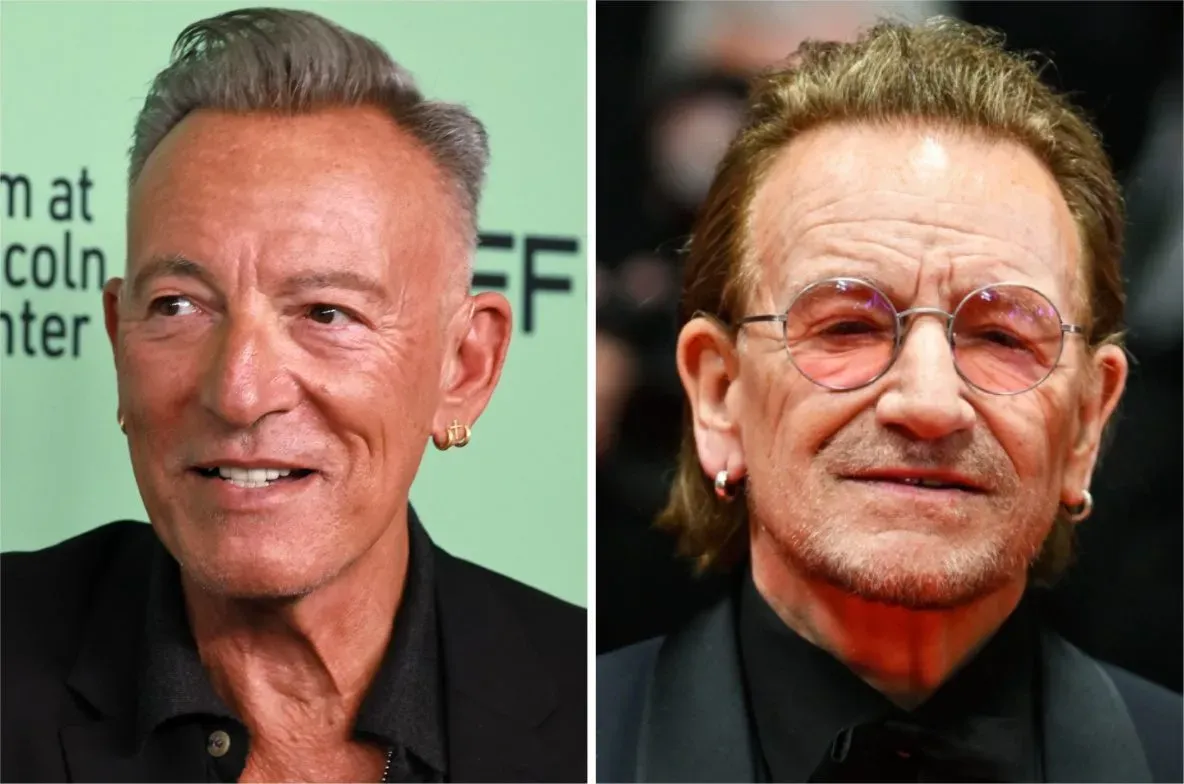
At Tribeca Festival, Bono, presenting Bruce Springsteen with the Harry Belafonte Voices for Social Justice Award, criticized Springsteen for refusing to license “Girls in Their Summer Clothes” for a Gap commercial tied to Bono’s AIDS foundation (RED). Springsteen responded by apologizing, telling Bono, “I should have f-ing done it!”
Bono gave Bruce Springsteen a public reminder that sometimes brand and impact campaigns are won or lost in one boring conversation: the licensing call. At Tribeca Festival, Bono presented Springsteen with the Harry Belafonte Voices for Social Justice Award, then used the moment to press the point about Springsteen declining to allow his song “Girls in Their Summer Clothes” for a commercial for the clothing brand Gap in partnership with Bono’s AIDS foundation (RED). The exchange did not end with a fade-out. Springsteen apologized to Bono and effectively revised his earlier stance, telling him, “I should have f-ing done it!”
That is the heart of the story, and it matters beyond rock fan drama. For executives, it is a live case study in how intellectual property decisions intersect with social-impact marketing, and how quickly those decisions can become reputational. A licensing refusal is often framed internally as “protecting the work” or “keeping control.” But when the use case is tied to a high-visibility cause, the optics can flip. In this instance, Bono started praising the “Boss” for something during the award presentation, then pivoted into a “hard time” about the exact refusal. Springsteen’s apology signals he understood the reputational cost of saying no, even if he never publicly detailed the original reasons in the source.
To understand why this exchange hit so hard, you have to see how partnerships like Gap and (RED) function. (RED) is designed to connect consumer brands with fundraising linked to AIDS-related efforts, and campaigns like the one involving Gap are built to spread that message through mass-market advertising. Music licensing sits at the intersection of two worlds that rarely move at the same speed: the legal and business process that governs rights, and the cultural expectations that come with using recognizable songs in mainstream commercials. When a creator declines, it can force an entire campaign to scramble for alternatives. When a creator reverses course, it can also create a narrative shift: “impact aligned with culture,” rather than “impact without authenticity.”
There is also a governance angle that executives and boards should recognize. Licensing decisions are often treated as tactical, but they can become strategic when they involve widely recognized IP and a cause brand. In a scenario like this, the decision is not just about music rights. It is about how a brand campaign communicates values, how a foundation partner frames legitimacy, and whether the creator relationship is managed proactively. Bono, as the U2 frontman and head-facing figure for (RED), does not operate like a typical commercial sponsor. He is effectively both an entertainment gatekeeper and an activism-linked brand ambassador. That combination means he can apply pressure socially and publicly, not just through contracts.
Regulatory background matters too, even when the story is “just” celebrity licensing. Advertising in many jurisdictions requires truthful, transparent association and careful handling of endorsements. While the source does not cite any regulator in this particular case, the broader market context is that commercial campaigns using public figures or beloved works are routinely scrutinized for misrepresentation, implied endorsements, and the boundaries of permission. That is why rights clearance is not a mere formality. If a brand uses a track without a properly negotiated license, it risks legal exposure. If it negotiates and gets a refusal, the brand may still proceed with a different track, but it can lose the cultural punch that the original artist would have provided. This story underlines that the legal checkbox and the cultural resonance are inseparable in practice.
The second-order implication for decision-makers is that “no” is not always the end of the process. Sometimes it becomes a negotiation beginning later than expected, under different conditions. Here, that “different condition” was high-profile and public: an awards stage at Tribeca Festival. Bono’s ability to bring up the licensing refusal while presenting Springsteen the Harry Belafonte Voices for Social Justice Award highlights how quickly negotiations can be reframed as moral or values-based conversations. And Springsteen’s apology suggests that in the end, the reputational argument for “yes” won.
For executives considering cause-led partnerships, the takeaway is blunt. IP licensing is not just about avoiding lawsuits. It is about shaping the story you tell the public, and the relationship you build with creators whose work carries emotional ownership. A refusal can be defensible legally, but it can still cost you narrative credibility, especially when the campaign is tied to a mission like (RED). Conversely, a creator can later revise course, but that reversal might not be comfortable, because it will come with visibility, attention, and someone making their point on a stage.
In a business world that loves to optimize for control, this exchange is a reminder that control can be the very thing that reads as coldness to the outside world. Springsteen’s “I should have f-ing done it!” apology is not a legal document, but it is a strategic signal. It says the creator relationship and the impact narrative were more connected than he initially treated them. For boards and marketing leaders, the lesson is to plan licensing negotiations like part of the campaign, not an afterthought that you revisit only when the ad is already in motion.
This story's Key Insights and Take-aways are locked.
Create a free account to unlock Executive Actions for one credit.
Register to UnlockAlways free for Executives Club members. Join the Club
More in Entertainment

Russell Brand's accuser 'bewildered and confused' as he denies 7 sex charges
The criminal case against the comedian is a live test of how media companies manage talent risk when serious allegations go public.

'It's a Magic Trick': Ballet Experts Say Rosalía's SNL Pose Is Impossible
Three ballet experts tell Rolling Stone Rosalía's gravity-defying SNL stillness shouldn't be possible - and why the debate is now part of the show.

Activision CMO: GTA 6 Will Boost Call of Duty, Not Bury It
Activision's top marketer says Rockstar's blockbuster will drive players back to consoles and into Modern Warfare 4, even as the company admits its recent strategy failed.