

Brazil blocks visas for two planned Trump envoys, accusing US election interference
The denial escalates Brazil-US tensions and forces investors and operators to price in political risk.
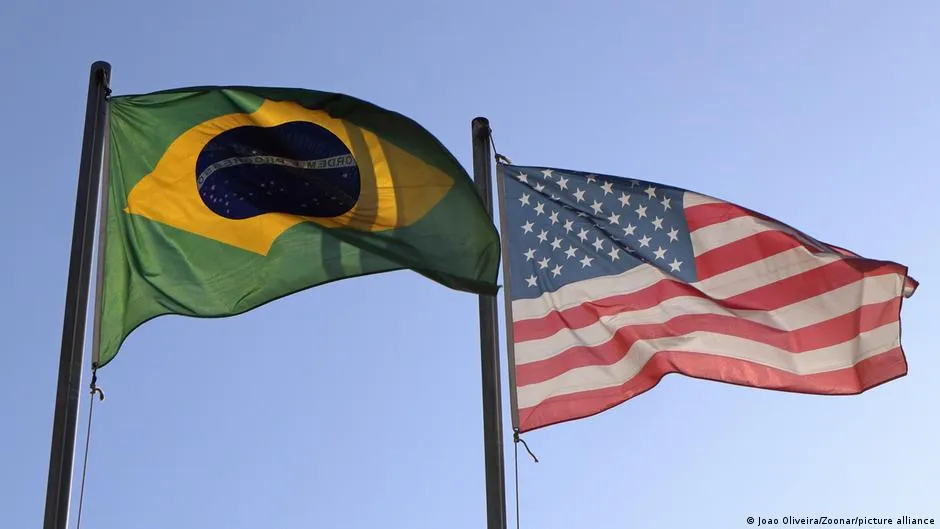
Brazil rejected visas for two planned US envoys, alleging Washington was seeking to shape Brazil's upcoming presidential election. The move deepens political tension between the two countries and raises near-term uncertainty for decision-makers watching cross-border policy risk.
Brazil rejected visas for two planned US envoys, alleging that Washington was seeking to shape Brazil's upcoming presidential election. That simple refusal is now a live political signal with real second-order consequences. It is also a reminder that election season does not just play out in campaign ads and court filings. It can turn into immigration and diplomatic friction that countries, markets, and companies feel quickly.
The key point for decision-makers is the accusation itself: Brazil framed the visa denials as evidence that the US was trying to influence Brazil's presidential vote. Even without getting into the mechanics, the headline-level takeaway is that Brazil chose to block entry, rather than manage the situation quietly. For executives, that means the posture is not “let’s smooth this over,” it is “let’s draw a boundary.” And once that happens, other channels often get stickier, including policy coordination that businesses count on, from trade and compliance expectations to public procurement and regulatory predictability.
Why does this matter beyond the diplomatic storyline? Because Brazil and the US operate within an ecosystem where politics and policy directly affect how capital moves. When tensions rise, uncertainty often does not wait for a formal sanction list. It shows up first in how counterparties behave: more caution in negotiations, delays in cross-border arrangements, and a higher premium demanded by risk-managed investors. That is especially true in election periods, when governments tend to become more sensitive to domestic legitimacy and more defensive about foreign involvement.
There is also a governance angle for boards and senior executives. Visa denials for “planned envoys” might sound like a narrow bureaucratic event, but it can be interpreted as a broader contest over narrative control. If one country believes the other is seeking influence, diplomatic distance becomes easier to justify at home. That can reshape how ministries, regulators, and state-linked institutions decide what to cooperate on. In practical terms, this can increase the odds of uneven signaling across agencies and a tougher environment for companies relying on stable, ongoing government-to-government frameworks.
For US stakeholders, the move adds to a deepening political tension between Brazil and the US, according to the reporting. For Brazil, it is a way to assert sovereignty over the election process by rejecting the specific channel of entry that would allow the planned envoys to show up. The underlying strategic logic is straightforward: if you accept entry while contesting alleged interference, the debate at home can intensify. If you deny entry, you can claim you took action. Either way, the political temperature rises.
This is where the market context becomes important. In cross-border business, executives often talk about “country risk” as a single number. But events like this rarely affect only one sector. They can influence sentiment across the board, because they shift expectations about how likely governments are to adopt defensive stances during sensitive windows. In election-driven uncertainty, even companies with no direct ties to diplomacy can face indirect impacts. Counterparties may delay, lenders may tighten documentation, and compliance teams may ask for extra evidence that operations remain aligned with evolving political sensitivities.
Second-order implications also extend to regulators and compliance functions. Visa and diplomatic decisions can surface in how authorities interpret foreign involvement. Even if day-to-day regulations do not change instantly, enforcement risk perceptions can change. Boards should therefore treat diplomatic friction as a proxy for “environmental volatility” in the political risk sense, not only as a headline about relations between governments.
Strategic stakes for peers in similar roles are clear: when countries escalate tension during election season, the operating environment can move faster than internal planning cycles. Executives should assume counterparties will adjust behavior under uncertainty, not just policy actors. The Brazil-US dispute over two planned US envoys is a specific example of a broader pattern: diplomacy can turn into domestic politics, and domestic politics can turn into commercial friction. The best boards do not wait for the next escalation step. They plan for volatility now, because it arrives first through uncertainty, then through policy.
This story's Key Insights and Take-aways are locked.
Create a free account to unlock Executive Actions for one credit.
Register to UnlockAlways free for Executives Club members. Join the Club
More in Politics
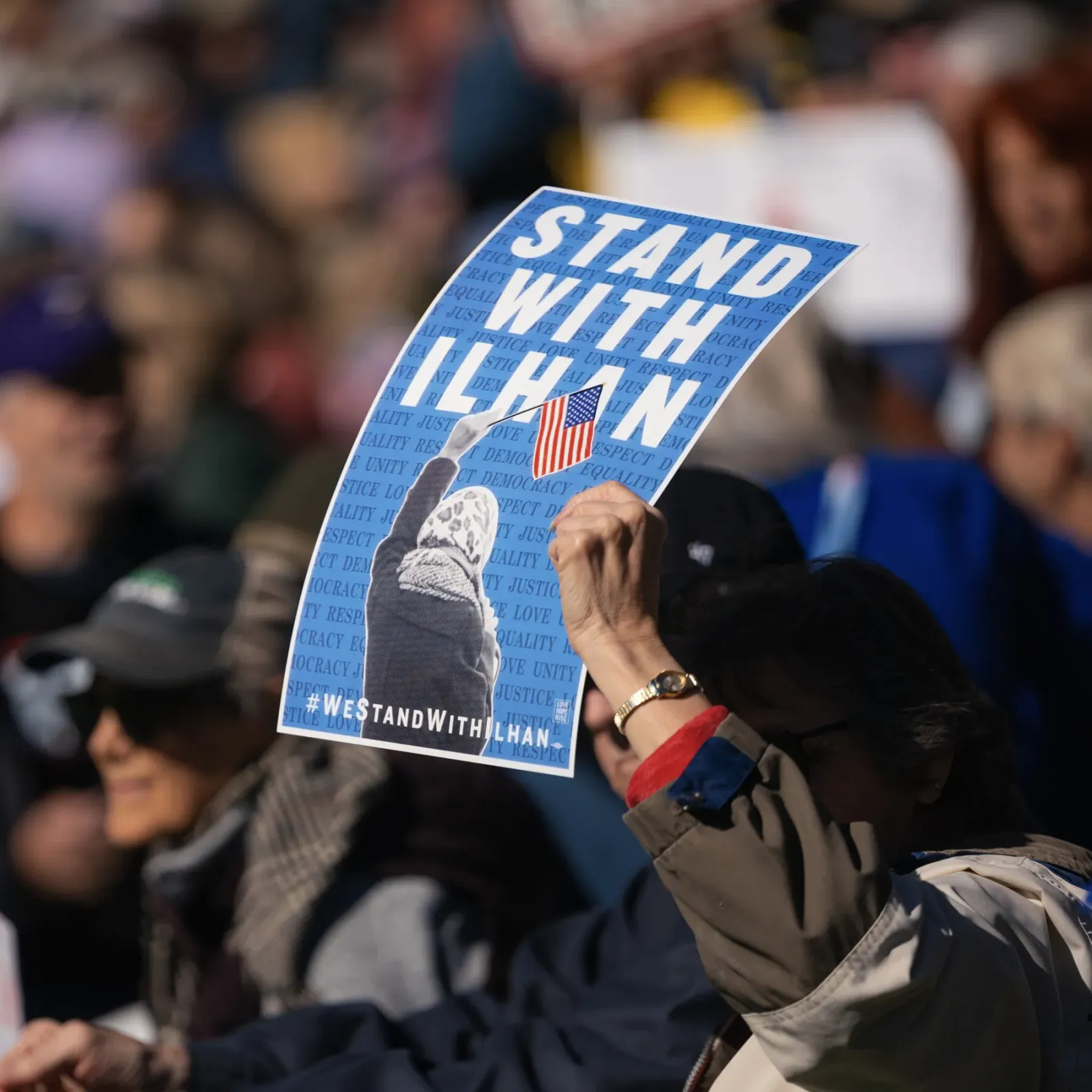
Obama Defends Ilhan Omar After Agents Search Her Home in Trump Inquiry
The former president's intervention raises the stakes in a federal probe into immigration paperwork that has put a prominent progressive lawmaker in the crosshairs.

Blair-era minister: cut welfare to fund youth job support
Alan Milburn's call for welfare cuts to fund employment support opens a Labour fight over benefits and the Neet crisis.
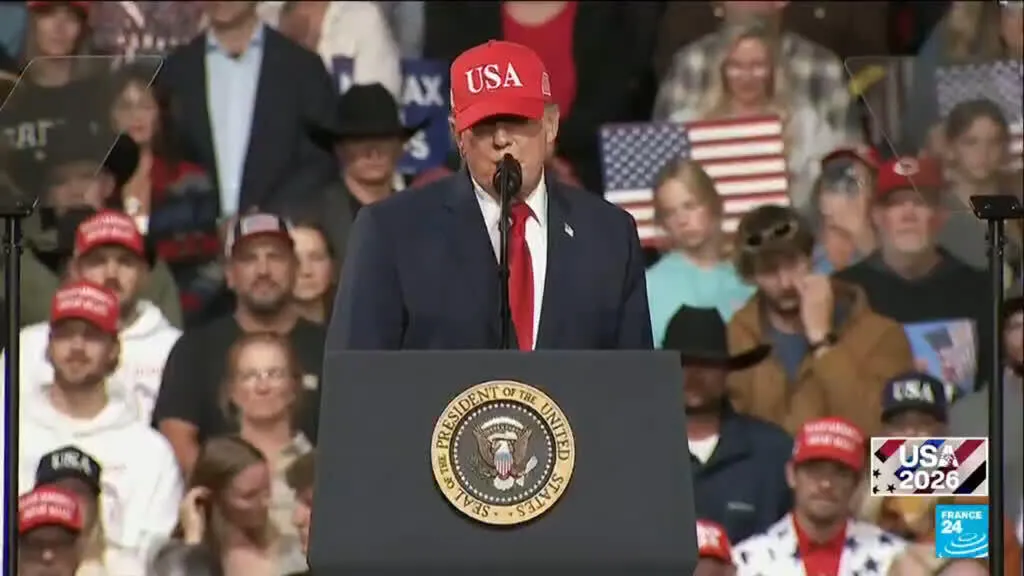
Hot September CPI: energy costs surge, voters feel the squeeze before midterms
The latest inflation print lands as Trump campaigns for GOP control of Congress, putting cost-of-living worries at the center of the midterm fight.