

Andy Burnham tells BBC he will call out Trump if Britain needs it
After a “good first conversation,” the UK mayor draws a hard line: defend national interest, even with the US president.

Andy Burnham told the BBC, speaking exclusively, that he had a good first conversation with US President Donald Trump. He also insisted that “you have to defend your own national interest,” including calling out Trump if “right for Britain.”
Andy Burnham says he is prepared to call out US President Donald Trump if it is “right for Britain,” and he told the BBC, speaking exclusively, that he had a good first conversation with the US president. That combination matters because it signals a particular style of engagement: polite at the start, conditional at the core. Burnham is not presenting diplomacy as blind agreement. He is framing it as something closer to disciplined advocacy, where the relationship with the White House does not override the responsibility to protect the UK’s national interest.
Burnham’s point is blunt and operational: “you have to defend your own national interest.” In practice, that means the UK should be willing to push back when US actions, policies, or negotiating positions collide with British priorities. The story is not about whether the conversation was friendly. The story is about what happens after the first pleasantries, when incentives and leverage show up and choices have to be made.
Why does this matter beyond Westminster photo ops? Because the national interest language is how governments justify tough trade-offs to voters and, crucially, to economic actors who have to plan under uncertainty. In a world where cross-border decisions can change tariffs, procurement rules, regulatory standards, sanctions exposure, and market access, businesses and investors do not just watch headlines. They watch whether governments will hold their line when the pressure rises. Burnham is effectively telling that audience that even a “good first conversation” does not mean the UK will automatically align with every Trump-era position.
There is also a governance angle. When senior political figures emphasize that they can call out a US president “if right for Britain,” they are setting expectations for how advocacy should work. That has downstream effects on domestic coalitions and cross-party dynamics. It also influences how UK departments and agencies prepare for negotiations, because a clear stance reduces ambiguity. Ambiguity can be useful in early diplomacy. It is less useful when real bargaining starts and when regulators and industry players need to know which red lines exist.
From an executive perspective, the second-order implication is risk management. Most firms do not directly negotiate with presidents. They negotiate with what governments decide regulators will do. If policy leadership credibly signals willingness to defend national interest, that can translate into more consistent regulatory posture and more predictable enforcement. On the flip side, conditional statements can also mean volatility, because they hint at the possibility of disagreement. Either way, boards and leadership teams typically want to understand which scenarios are most likely: more alignment and smooth implementation, or more friction that triggers renegotiation, litigation, or compliance burdens.
This is where regulatory framing becomes central. US and UK policy often spill into each other through standards and obligations. When a government says it will defend its national interest, it is implicitly acknowledging that there will be sectors where national priorities diverge, even if the relationship starts well. That can include areas like trade policy and investment flows, but also compliance expectations that businesses must meet to sell, operate, or partner. Executives in regulated industries tend to treat these moments as planning inputs. They model what changes could happen, how quickly, and what contingencies they need if governments choose to draw boundaries.
There is also a reputational dimension, and it is easy to underestimate. For a UK figure to say he is “prepared to call out” a US president signals that the UK leadership sees itself as an actor with agency, not merely a follower. That can strengthen domestic legitimacy, but it also affects international perception. Other governments will read it as a signal that the UK may seek terms that reflect its own priorities. That can alter negotiation behavior by counterparties. It can also affect how global firms interpret the UK’s stance when making investments or setting compliance roadmaps.
Strategically, the stakes for peers in similar roles are simple: how do you balance relationship management with hard boundaries? Burnham’s framing suggests the answer is not to choose diplomacy over defense. It is to do both, but to be explicit about the conditions. If the US and UK disagree on issues that matter for Britain, the UK leadership expects to be able to speak up. Executives translating politics into planning should treat that as a signal to prepare for negotiation outcomes where defense of national interest is not a slogan. It is a behavior.
This story's Key Insights and Take-aways are locked.
Create a free account to unlock Executive Actions for one credit.
Register to UnlockAlways free for Executives Club members. Join the Club
More in Politics
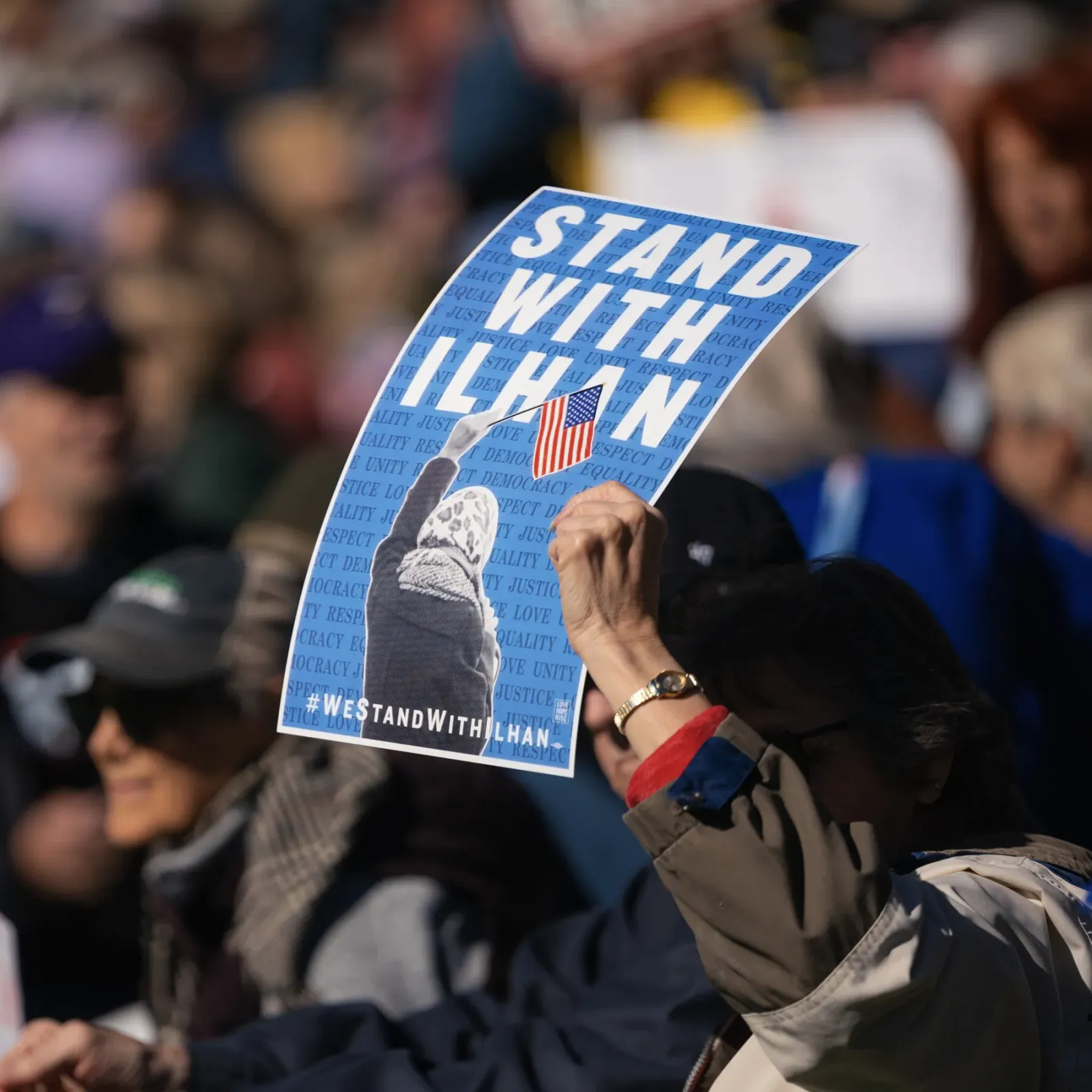
Obama Defends Ilhan Omar After Agents Search Her Home in Trump Inquiry
The former president's intervention raises the stakes in a federal probe into immigration paperwork that has put a prominent progressive lawmaker in the crosshairs.

Blair-era minister: cut welfare to fund youth job support
Alan Milburn's call for welfare cuts to fund employment support opens a Labour fight over benefits and the Neet crisis.
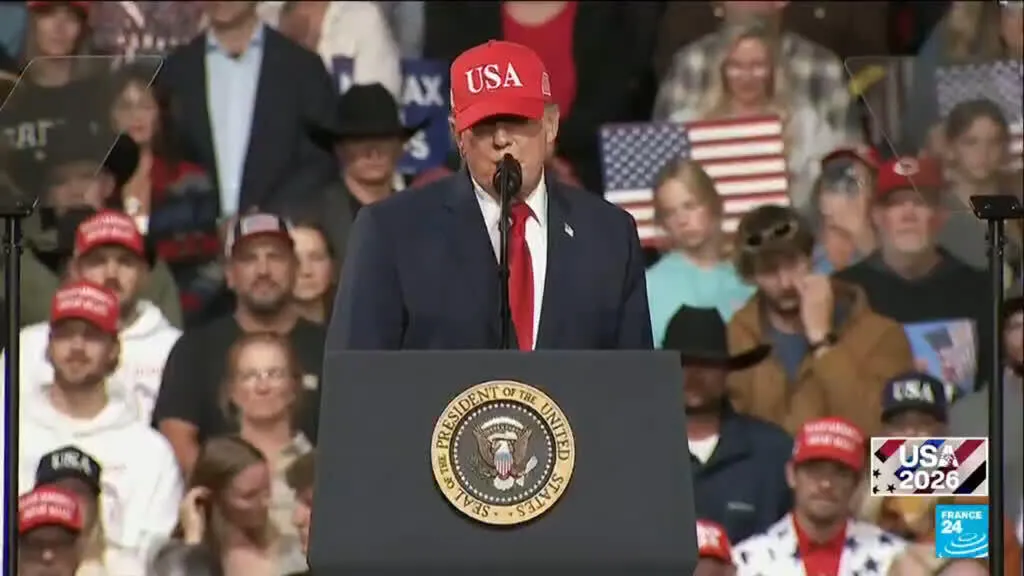
Hot September CPI: energy costs surge, voters feel the squeeze before midterms
The latest inflation print lands as Trump campaigns for GOP control of Congress, putting cost-of-living worries at the center of the midterm fight.