
Brighten clouds off South America to blunt El Niño, but ethics and tech gaps bite
A geoengineering proposal aims to weaken a growing El Niño by brightening clouds, yet regulators face hard questions before any move.
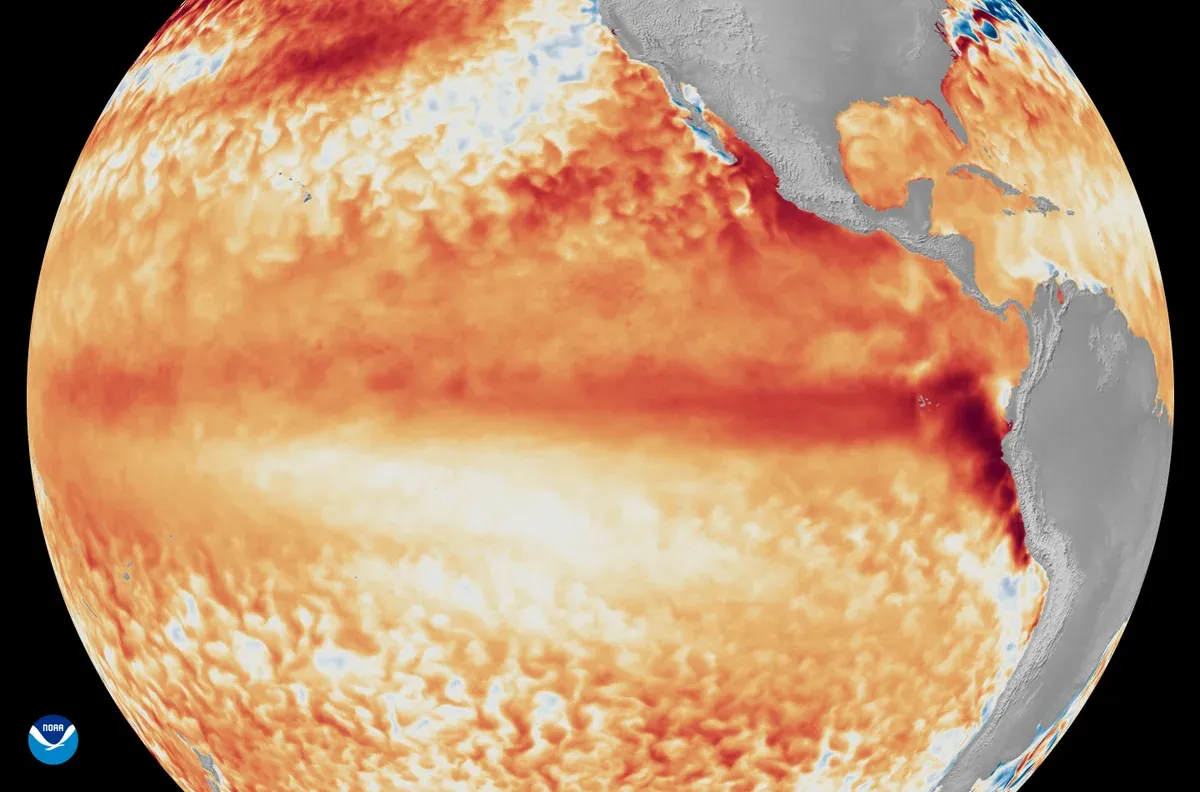
Scientific American discusses a controversial geoengineering idea: brightening clouds off South America to potentially weaken a burgeoning El Niño. For decision-makers, the stakes are immediate, but the path is blocked by major technical and ethical uncertainties.
El Niño is starting to build, and one controversial fix is trying to intervene before it gets worse. Scientific American reports on a geoengineering proposal that would brighten clouds off South America, with the goal of weakening this burgeoning El Niño. It sounds like science fiction, but the core premise is simple: if you can alter clouds and therefore how much sunlight reaches the ocean and atmosphere, you might nudge the climate system away from extremes.
The immediate promise is also the immediate problem. The proposal is aimed at reducing the strength of an El Niño year, but Scientific American flags “major technical and ethical questions” that remain unresolved. That matters because geoengineering is not a normal environment experiment where you can quietly run it, measure it, and walk away. If you touch the Earth system, the risk is that you improve one outcome while triggering others you cannot fully forecast.
To understand why executives and boards should care, it helps to recognize what El Niño does to business and government. El Niño years can reshape rainfall, temperature, agriculture, energy demand, and supply chains across regions. Even if you are not a climate company, your logistics, insurers, utility planning, and risk models often get updated around these seasonal shifts. So any credible attempt to influence El Niño dynamics becomes an attention magnet, and also a liability magnet.
This is exactly the kind of situation where incentives collide. Climate impacts are global, but responsibility is local, and accountability becomes murky fast when interventions cross borders. A project focused on cloud brightening off South America implies decisions made by or affecting countries in that region, but the consequences would likely spill well beyond. That creates a boardroom problem: how do you evaluate risk when the “system” you are changing is shared, and the benefits and burdens are unlikely to be evenly distributed?
Then there is the technical side, which Scientific American keeps pointed and unresolved. Cloud brightening is not just about making clouds more reflective in a vacuum. It requires controlling where the effect happens, how consistent it stays over time, and what atmospheric feedbacks it triggers. Even small differences in timing and location could change outcomes, and the climate system has a habit of responding in nonlinear ways. For executives, the operational takeaway is blunt: if the technical uncertainties are major, the plan is not ready for real-world deployment, only for careful research and debate.
The ethical questions are just as serious because geoengineering is, by definition, power over the sky. Who gets to decide? Who bears the risks? Who benefits? The moment brightening clouds becomes an option, it raises questions about consent across nations, the governance of cross-border climate interventions, and the possibility that geoengineering could become a political shortcut. Scientific American labels the proposal “controversial,” and that is not a branding exercise. Controversy here signals that more than one value is at stake, including fairness, responsibility, and long-term stewardship.
Finally, the second-order implications for decision-makers are about precedence. If cloud brightening to weaken El Niño ever moves from proposal to practice, it sets a governance precedent for climate interventions. Regulators, investors, and insurers would have to update frameworks for liability, environmental review, and monitoring. Companies that provide climate-adjacent services or technologies could also face new demand, but also new compliance burdens and reputational risks tied to how these projects are controlled.
So the strategic stakes are not “Can we try something?” The deeper question is “Can we justify it before we know enough?” Scientific American’s framing suggests the answer is currently no, at least not in a way that treats both technical readiness and ethical legitimacy as must-pass gates. For peers in climate risk, public policy, and board oversight, this is a reminder that climate interventions are not only scientific debates. They are governance tests with real-world consequences.
This story's Key Insights and Take-aways are locked.
Create a free account to unlock Executive Actions for one credit.
Register to UnlockAlways free for Executives Club members. Join the Club
More in Science

Alaska's 1,580-foot tsunami had warning signs. Scientists just found them.
Rapid glacier retreat, heavy rainfall, and thousands of tiny tremors preceded Alaska's 1,580-foot tsunami, a warning for every coastal community in a warming world.

The rare mutation that lets high-risk brains dodge Alzheimer's
Scientists found a natural defense against protein buildup, opening a new path to preventive treatments.

3,000 steps a day may halve Alzheimer's decline, study finds
New research links a modest daily walk to less tau buildup and nearly half the cognitive and functional decline, even for those with early signs.