
Brno Transit builds a two-line subway sim under a stomach-churning horror story
A Czech train-conductor nightmare proves the “world simulation” is the real scare, not just the gross-out plot.
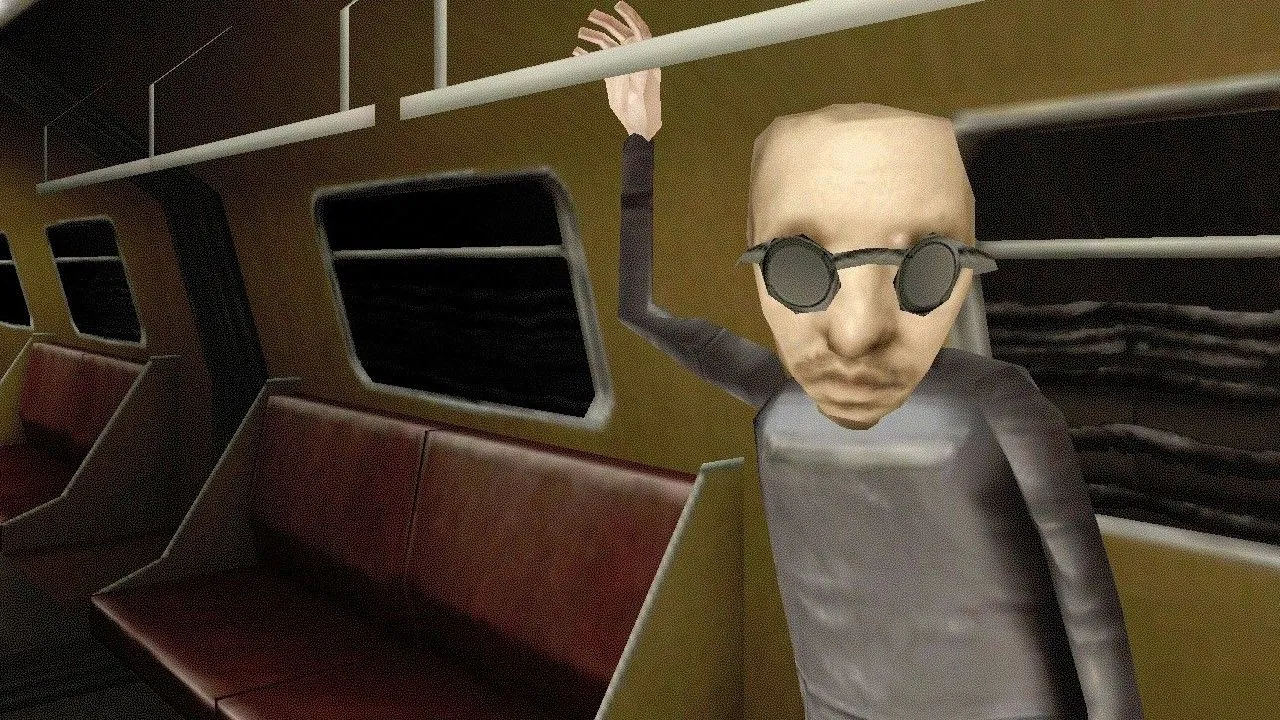
PC Gamer spotlights Brno Transit, a narrative horror game by Spytihněv, built on a continuously running fictional Brno subway with two lines. For decision-makers in games and media, it is a case study in how systems design can outpower scripted shock.
Brno Transit is not just a horror story about being trapped underground. It starts there, then quietly reveals the deeper trick: underneath the gross-out chaos is a continuous simulation of a small subway system with two lines, one counter-clockwise and the other clockwise. The effect is so convincing that the reviewer says it feels like zooming into someone’s model train set, except you can never fully stop the world from moving. That matters because the scares are not only “what happens to you,” they also come from how the subway behaves when you are not staring directly at it.
The game’s premise is already uncomfortably specific: you are a novice train conductor learning the ropes under Brno, the second city of the Czech Republic, and the tone is set by the developer noting Brno does not have a subway system in real life. From there, the review leans into what it calls surreal, scatological, and even homoerotic workplace nightmare energy, with “guys being dudes on the job” as the baseline weirdness. The horror is punctuated by a string of “Go here, do this. Why did you do that? Now you have to fix it. Embarrassing.” moments, and the first-day sequence cashes it in with brutal physical consequence: the reviewer describes eating a tainted hot dog that gives them the runs and forces a frantic scramble for a bathroom while gurgles and whines fill the headphones.
If you are thinking like an operator or product leader, the interesting part is not the gross content by itself. It is the coupling of narrative humiliation with procedural, day-to-day operational friction. The review describes how the doorless, exposed toilet in the employee area is indefinitely occupied, while the bathroom in the station above is out of order. The reviewer then has to take the train to another station to find an open commode, and after blacking out, wakes on a dirty floor mattress with splotches of feces and a trail of brown footprints leading backwards. That sequence does not land because it surprises for shock value alone. It lands because it makes you feel like your inputs have consequences inside a system that does not care.
And then the system takes over. The reviewer’s favorite “zinger” moment is emergent rather than scripted: at the edge of their vision, a passenger randomly hangs off the end of a train as it leaves the station. That is a small detail, but it is the exact kind of thing simulation-first games can do better than linear horror. You are not only reacting to scripted jumps; you are monitoring a living environment that can do odd things in the background. The subway world exists whether you are paying attention to it or not, which turns idle attention into tension. For context, this matches the reviewer’s comparison point to stealth classics: they say they were reminded of how no one did nighttime better than Thief and Thief 2, even with aged graphics, because it is the art and atmosphere that keep paying off as time passes and visibility shifts.
From a design-and-business angle, the reviewer gives the ingredients that make this kind of “mystery simulation” believable. Trains shift and jostle as you pass through tunnels; lighting changes across the route; sound, music, and foley work are called “excellent”; and the NPCs mill around stations or wander on and off the trains with anonymity and guarded hostility. That “eye contact with strangers on the subway” feeling is not just vibes. It is the product of consistent NPC behavior in an environment that does not reset to accommodate your storyline beats.
The operational gameplay also reinforces the illusion of a real job. The review says you have to ride the train to start, then you quickly take control of your own engine, carefully adjusting acceleration to avoid hitting stops too late or too early. You are trying to slot seamlessly into the pre-existing schedule of trains constantly running on the loop. The reviewer describes this as a simplified approximation of a fuller train sim like Densha de Go! A free ride mode unlocks after completing the story, which is a classic retention move: it converts the “finish the narrative” experience into “stay in the world and explore what the system already does.” That also reframes the horror. One point in the story sends the reviewer into a skull-filled catacomb attached to a station with unnerving music, a confusing switchback layout, and a bumbling tourist snapping photos. They assumed it was on the critical path, then learned it was just there, which is how you turn a linear narrative into a world people keep probing.
For executives and investors, this is a relevant signal in the broader PC gaming landscape. The reviewer contrasts Brno Transit with developer Spytihněv’s previous game, the Soviet boomer shooter Hrot, and with other horror-adjacent innovators like David Szymanski (Dusk, Iron Lung) and 2024’s breakout Mouthwashing. The through-line across those comparisons is not genre. It is craftsmanship: the ability to make something small and specific feel larger than it should. Brno Transit is positioned as an “on the job horror” standout, but the decisive differentiator is that the scripted story is “punctuated” by a model-train scale system. At the same price point the reviewer floats, $9, they say it would already be an easy recommendation for a surreal horror narrative adventure, but the fact that it is built on top of this simulated subway world “truly sets it apart.”
So the strategic takeaway is clear even if you never play the game: when you build a system that keeps running, the player’s attention becomes the scarcest resource. You do not need constant big set pieces. You need enough simulation texture that the environment can surprise you in the corner of your eye. That is what turns a nasty, weird workplace nightmare into a place people want to revisit, because the world promises there is more odd shit waiting at the stops they never explored on the critical path.
This story's Key Insights and Take-aways are locked.
Create a free account to unlock Executive Actions for one credit.
Register to UnlockAlways free for Executives Club members. Join the Club
More in Entertainment
12TB Steam 'teraleak' goes beyond Valve: GTA 3, Mafia 2 prototypes exposed
A 12-terabyte dump of Steam data reveals prototypes and builds of third-party classics like GTA 3 and Mafia 2, plus unreleased Valve content, rewriting game history.

LinkedIn's romance problem: 1 in 4 workers say dating on it is fair game
A new survey shows a quarter of U.S. employees treat the professional network as fair game for romance, even as LinkedIn bans it and removes hundreds of thousands of offending posts.

Enhypen's first No. 1 album breaks K-pop's Billboard 200 streak
The K-pop group's 98,000-unit debut tops the chart while Dolly Parton's catalog reentry shows how death reshapes streaming.